
Vuélvete ilimitado con Magzter GOLD
Obtenga acceso ilimitado a más de 9000 revistas, periódicos e historias Premium por solo
Smart stargazing A beginner's guide
BBC Sky at Night Magazine
|November 2025
Curious about smart telescopes? Jamie Carter has the low-down on the app-powered tech that's making deep-space imaging easier than ever
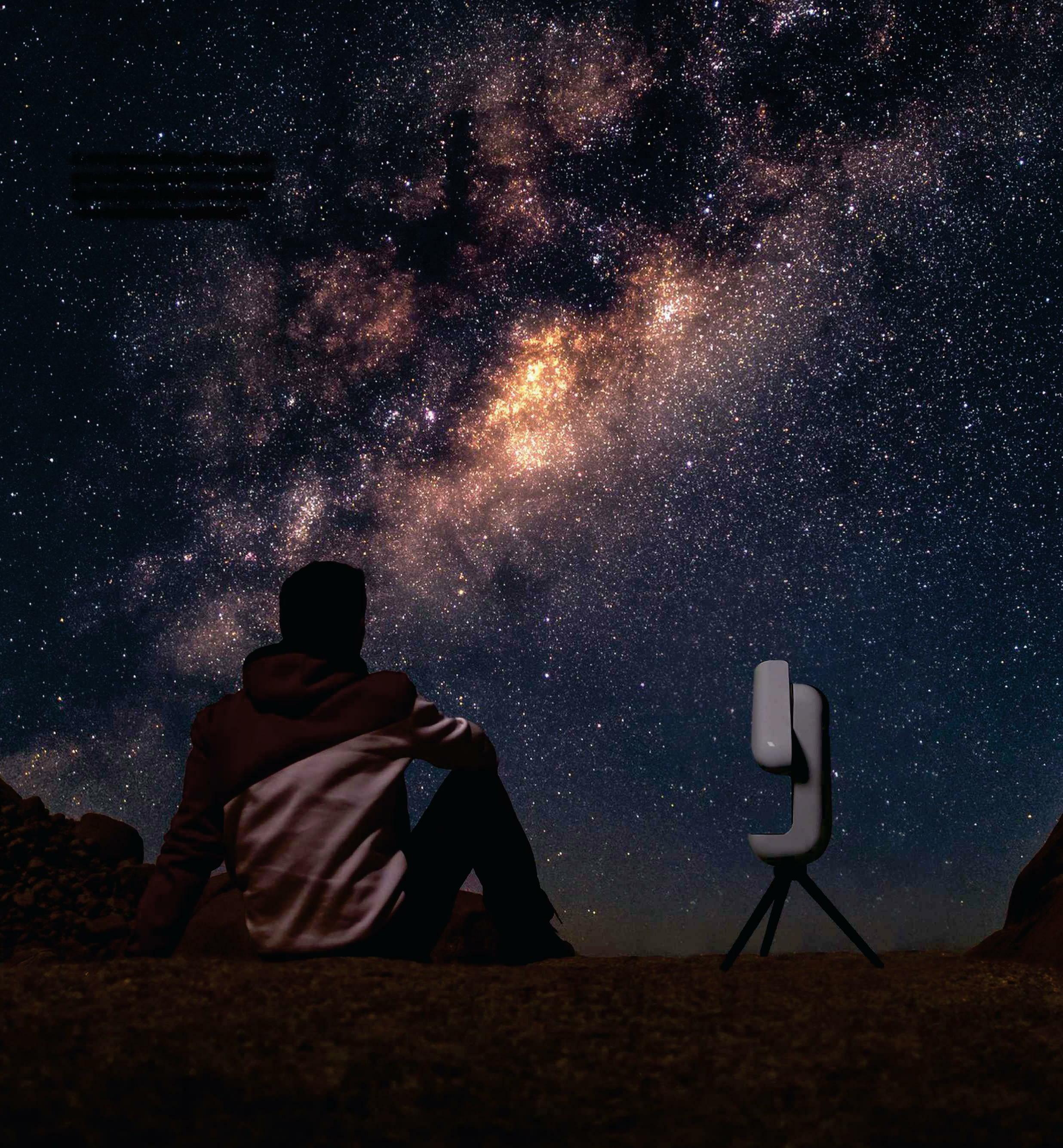
Imagine this: you set up a small telescope in your back garden. On your phone's screen, you tap on the Orion Nebula. Seconds later, the scope slews to it, focuses and begins revealing the colourful swirling gas and dust from 1,300 lightyears away – even though you live in the middle of a light-polluted city.
That's the promise of the new wave of smart telescopes. They're compact, app-controlled, robotic observatories that are more like mini versions of the professional telescopes perched on mountaintops in Chile or Hawaii than the refractors and reflectors that have long been at the heart of amateur astronomy.
A smart telescope is a motorised telescope with an integrated camera and onboard computer. In some ways, these fully contained units are similar to the motorised Go-To telescopes that have been around for decades, but here everything is more digital – and less optical. They're available as refractors and reflectors, in various shapes and sizes, but what they all do is focus the light they collect onto a CMOS sensor, like those found in smartphones (and initially created for use in NASA spacecraft).
Once light reaches the sensor, the onboard computer takes over. Using a process called plate solving, the telescope matches the pattern of stars it sees to a celestial catalogue, determining precisely what it's looking at. It can then slew automatically to selected deep-sky targets, track them precisely and build up detailed images by stacking many short exposures. Sophisticated image-processing algorithms enhance contrast, bring out subtle colours and suppress the effects of light pollution. It's the same process used by deep-sky astrophotographers who assemble their own rigs by putting CMOS cameras on telescopes – but with smart scopes, the entire process is automated.
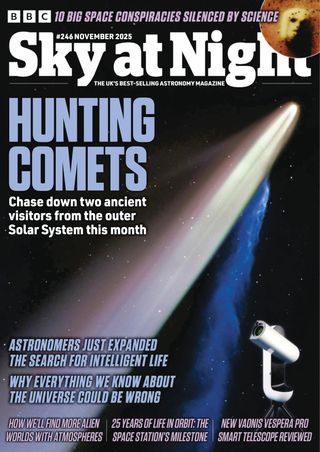

Esta historia es de la edición November 2025 de BBC Sky at Night Magazine.
Suscríbete a Magzter GOLD para acceder a miles de historias premium seleccionadas y a más de 9000 revistas y periódicos.
¿Ya eres suscriptor? Iniciar sesión
MÁS HISTORIAS DE BBC Sky at Night Magazine
BBC Sky at Night Magazine
MOONWATCH
January's top lunar feature to observe

2 mins
January 2026
BBC Sky at Night Magazine
Speed up your processing workflow
How to use Photoshop's Actions tool to drastically cut your processing time
3 mins
January 2026
BBC Sky at Night Magazine
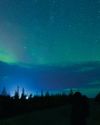
Chasing Canada's polar lights
With solar maximum peaking and a new Moon promising dark skies, Jamie Carter travels to Churchill, Manitoba to hunt the Northern Lights - and dodge polar bears – in Canada's far north
7 mins
January 2026
BBC Sky at Night Magazine
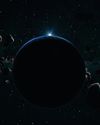
Beyond Pluto: The search for the hidden planets
Could one – or even two - undiscovered planets lurk at the edges of our Solar System? Nicky Jenner explores how close we are to finding the elusive 'Planet 9'
6 mins
January 2026
BBC Sky at Night Magazine
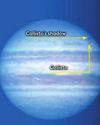
Jupiter moon events
Jupiter is a magnificent planet to observe.
2 mins
January 2026

BBC Sky at Night Magazine
What samples from space have taught us
Alastair Gunn explains what scientists have learnt in the 20 years since the first unmanned mission brought materials back from alien worlds
3 mins
January 2026
BBC Sky at Night Magazine
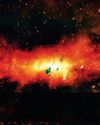
The Milky Way as you've never seen it before
This is the largest low-frequency radio colour image of our Galaxy ever assembled
1 min
January 2026

BBC Sky at Night Magazine
Merger of ‘impossibly' massive black holes explained
Scientists discover how enormous, fast-spinning black holes can exist after all
1 mins
January 2026
BBC Sky at Night Magazine
Lunar occultation of the Pleiades
BEST TIME TO SEE: 27 January from 20:30 UT
1 min
January 2026
BBC Sky at Night Magazine
The Universe's expansion may be slowing down
New study suggests current theories of dark energy could be wrong
1 mins
January 2026
Listen
Translate
Change font size