Intentar ORO - Gratis
Ehtesham Siddiqui: “I got my freedom but there is pain”
The Caravan
|October 2025
An accused in the 2006 Mumbai train bombings reflects on his exoneration
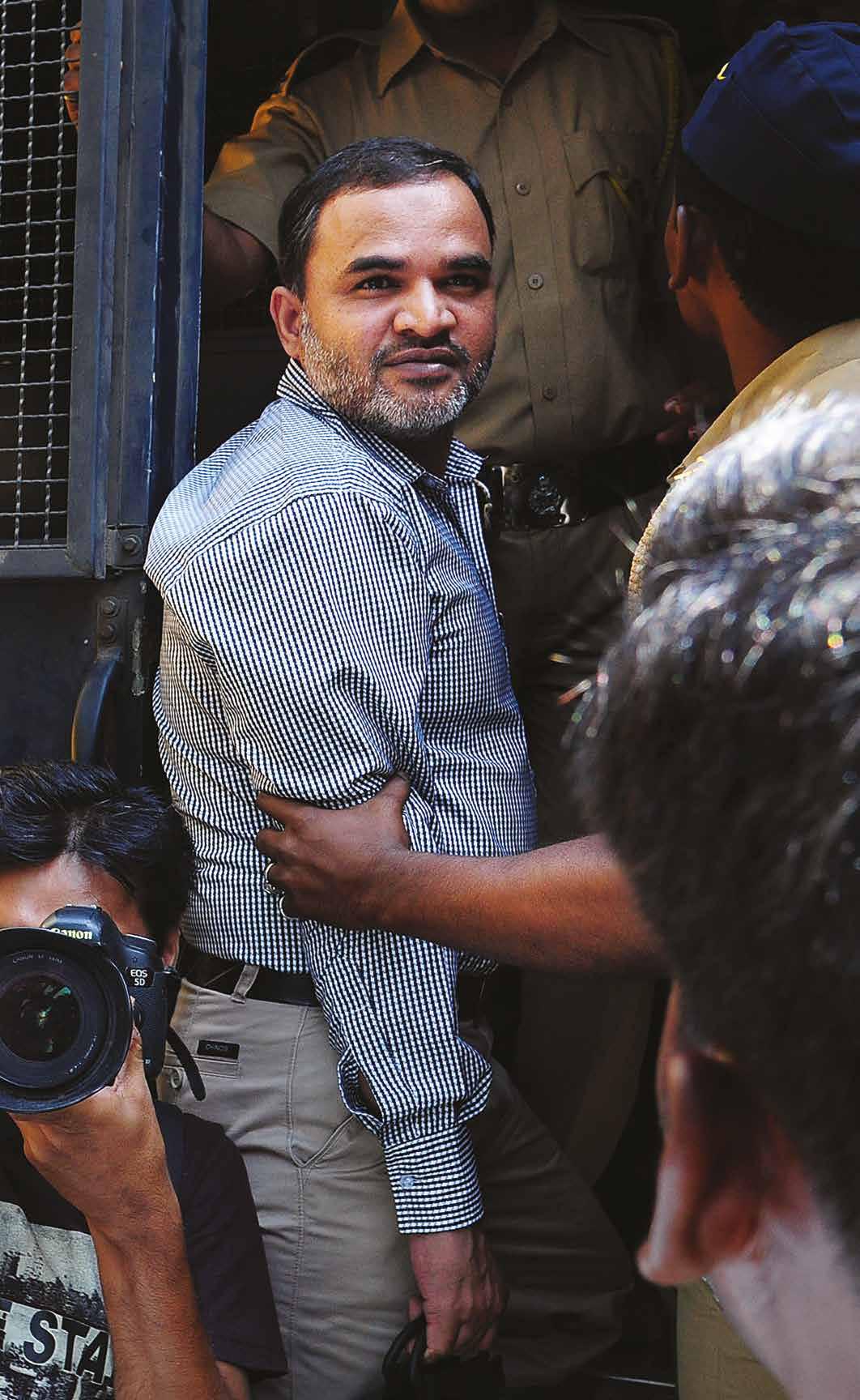
Ehtesham Siddiqui was among 12 men acquitted by the Bombay High Court, on 21 July this year, in the Mumbai train blasts case. He had spent nineteen years behind bars. The July 2006 bombings killed 187 people. The police charged him with planting the bombs, and he was among five people sentenced to death by the trial court in 2015. At the time of his arrest in 2006, he was 23.
Originally from a village in the Jaunpur district of Uttar Pradesh, Siddiqui had moved to Mumbai for higher education. His academic career was disrupted in 2001 by an arrest related to the Students' Islamic Movement of India, a case that later ended in acquittal. He subsequently established himself as a printer and publisher of Islamic books, starting Shahadah Publishing House in 2004. He married in 2005, only seven months before his arrest.
From inside prison, Siddiqui waged a tenacious legal battle, filing nearly six thousand right-to-information applications that eventually became the basis of his defense. These applications proved, among other things, that the police had prevented him from accessing call data records and had relied on a stock witness to implicate him. While in jail, he also wrote Horror Saga, a poetic narrative detailing the chain of events from his initial detention through the lengthy trial. Siddiqui now faces the task of rebuilding his life with his family.
Shahid Tantray, a multimedia reporter at The Caravan, spoke to Siddiqui about his nearly two-decade-long incarceration.
Where were you on 11 July 2006, the day of the blasts?
When I heard about the blast, I went downstairs to ask what had happened and got to know that a blast had taken place. I was at home after the namaz. I knew that the police would inquire about me, since my name was already registered in the 2001 SIMI case.

Esta historia es de la edición October 2025 de The Caravan.
Suscríbete a Magzter GOLD para acceder a miles de historias premium seleccionadas y a más de 9000 revistas y periódicos.
¿Ya eres suscriptor? Iniciar sesión
MÁS HISTORIAS DE The Caravan
The Caravan
ANY RESEMBLANCE TO ACTUAL EVENTS IS NOT COINCIDENTAL
INTERFAITH ROMANCE FICTION IN THE ERA OF LOVE JIHAD

31 mins
December 2025
The Caravan
Manufacturing Legitimacy
How a Washington Post columnist laundered the Sangh's violent history
7 mins
December 2025

The Caravan
DEATH of REPORTAGE
THE DISMANTLING OF OUTLOOK'S LEGACY
32 mins
December 2025
The Caravan
FOG LIGHT
Samayantar's two-and-half-decade fight against the shrinking of Hindi's world
22 mins
December 2025
The Caravan
THE FINE PRINT
ON 19 MARCH 2005, thousands came out on the streets of Udupi, in coastal Karnataka, to protest a gruesome incident that had shaken the region a week earlier.
23 mins
December 2025
The Caravan
CHARACTER BUILDING
The enduring language of Indian streets
5 mins
December 2025
The Caravan
THE CONVENIENT EVASIONS OF RAJDEEP SARDESAI
DRESSED IN A turban and white kurta pyjama, Narendra Modi sat in the passenger seat of a van crossing the Patan district of Gujarat, in September 2012. Next to him sat Rajdeep Sardesai, the founder-editor of the news channel CNN-IBN.
63 mins
December 2025

The Caravan
Ahmed Kamal Junina: “Every class we hold is a defiant refusal to surrender”
A professor in Gaza on teaching during a genocide / Conflict
11 mins
December 2025

The Caravan
Bangla Pride, Urdu Prejudice
The language wars have primed West Bengal for the RSS
8 mins
November 2025

The Caravan
THE INTERVIEW
\"The people are naked before the government but the government is opaque to them\"
16 mins
November 2025
Listen
Translate
Change font size