Intentar ORO - Gratis
Vonnegut and the Bomb
The Atlantic
|August 2025
How the novelist turned the violence and randomness of war into a cosmic joke
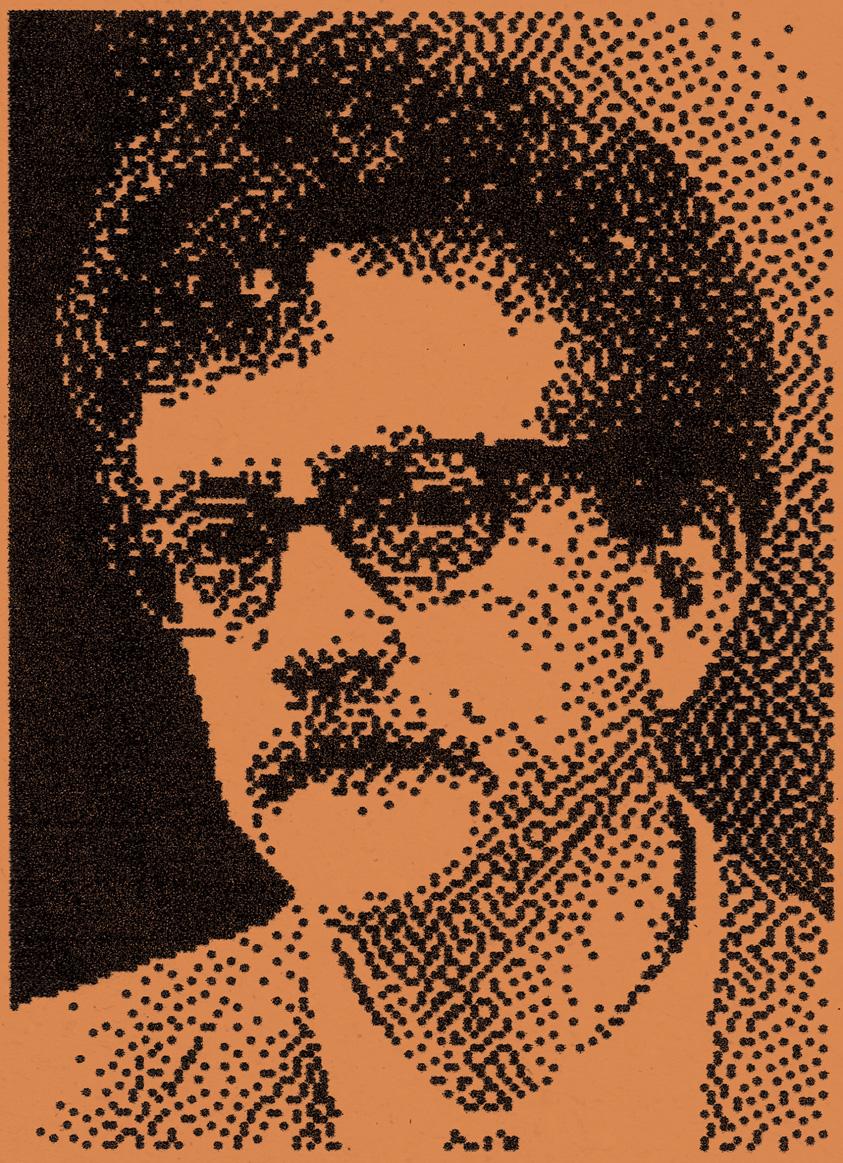
On August 5, 1945—the day before the world ended—Frank Sinatra was at a yacht club in San Pedro, California. There, he is reported to have rescued a 3-year-old boy from drowning.
On the other side of the country, Albert Einstein—the father of relativity—was staying in Cabin No. 6 at the Knollwood Club on Lower Saranac Lake, in the Adirondacks. Einstein couldn't swim a stroke, and (in a reverse Sinatra) was once saved from drowning by a 10-year-old boy.
What neither of them realized when they woke up on the morning of August 6 was that at 8:15 a.m. Japan Standard Time, the first atomic bomb, nicknamed “Little Boy,” had been dropped on the city of Hiroshima, obliterating standing structures and killing close to 80,000 people.
“The day the world ended” is how Kurt Vonnegut described it in his novel Cat's Cradle, published in 1963.
Vonnegut had served in the U.S. Army during World War II, and was one of a handful of survivors of a different American attack: the firebombing of the German city of Dresden, which killed as many as 35,000 people and leveled the town once described as “Florence on the Elbe.”
“The sky was black with smoke,” Vonnegut later wrote in Slaughterhouse-Five, the novel that fictionalized his experience. “The sun was an angry little pinhead. Dresden was like the moon now, nothing but minerals. The stones were hot. Everybody else in the neighborhood was dead.”
The atomic bomb dropped on Hiroshima is believed, by some estimates, to have killed as many as 146,000 people, once injuries, burns, and long-term radiation poisoning were factored in—approximately the population of Gainesville, Florida, today.
Here is a photograph of the children who dropped it:
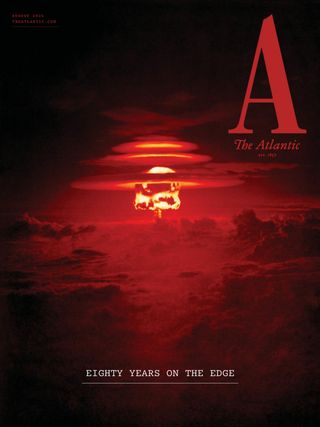

Esta historia es de la edición August 2025 de The Atlantic.
Suscríbete a Magzter GOLD para acceder a miles de historias premium seleccionadas y a más de 9000 revistas y periódicos.
¿Ya eres suscriptor? Iniciar sesión
MÁS HISTORIAS DE The Atlantic

The Atlantic
How America Celebrated Its 100th Birthday
The Centennial Exhibition of 1876 promised a glorious industrial future. Outside its gates, the country seethed with violence and corruption.

12 mins
June 2026

The Atlantic
THE CLOWN SHOW
The Savannah Bananas are reviving one of the most entertaining—and controversial—teams in Negro Leagues history.
21 mins
June 2026

The Atlantic
The Diva
Denyce Graves is retiring from performing after a career as one of opera's leading women. But there's more work for her to do.
10 mins
June 2026

The Atlantic
Cat Heir
Did Karl Lagerfeld really leave millions to Choupette?
26 mins
June 2026

The Atlantic
The Secret of Elizabeth Strout's Appeal
How she writes best sellers that are also critical darlings
10 mins
June 2026
The Atlantic
THE VENTURE-CAPITAL POPULIST
How David Sacks and the new tech right went full MAGA and captured Washington
32 mins
June 2026

The Atlantic
Glory Days
Heartland rock was shot through with nostalgia— but nostalgia for what?
9 mins
June 2026

The Atlantic
Alien Nation
Why Americans want to believe that the government is hiding the truth about extraterrestrial life
11 mins
June 2026

The Atlantic
Dinah's Hat
On the day Dinah lost her hat, I was sitting on the top step of my just-right Scamp trailer doing a crossword.
24 mins
June 2026

The Atlantic
THE AMERICA I'VE KNOWN
In my 93rd year, it's become ever more clear that patriotism requires sacrifice and collective effort.
7 mins
June 2026
Listen
Translate
Change font size