Intentar ORO - Gratis
NUCLEAR ROULETTE
The Atlantic
|August 2025
The only way to win is to stop playing.
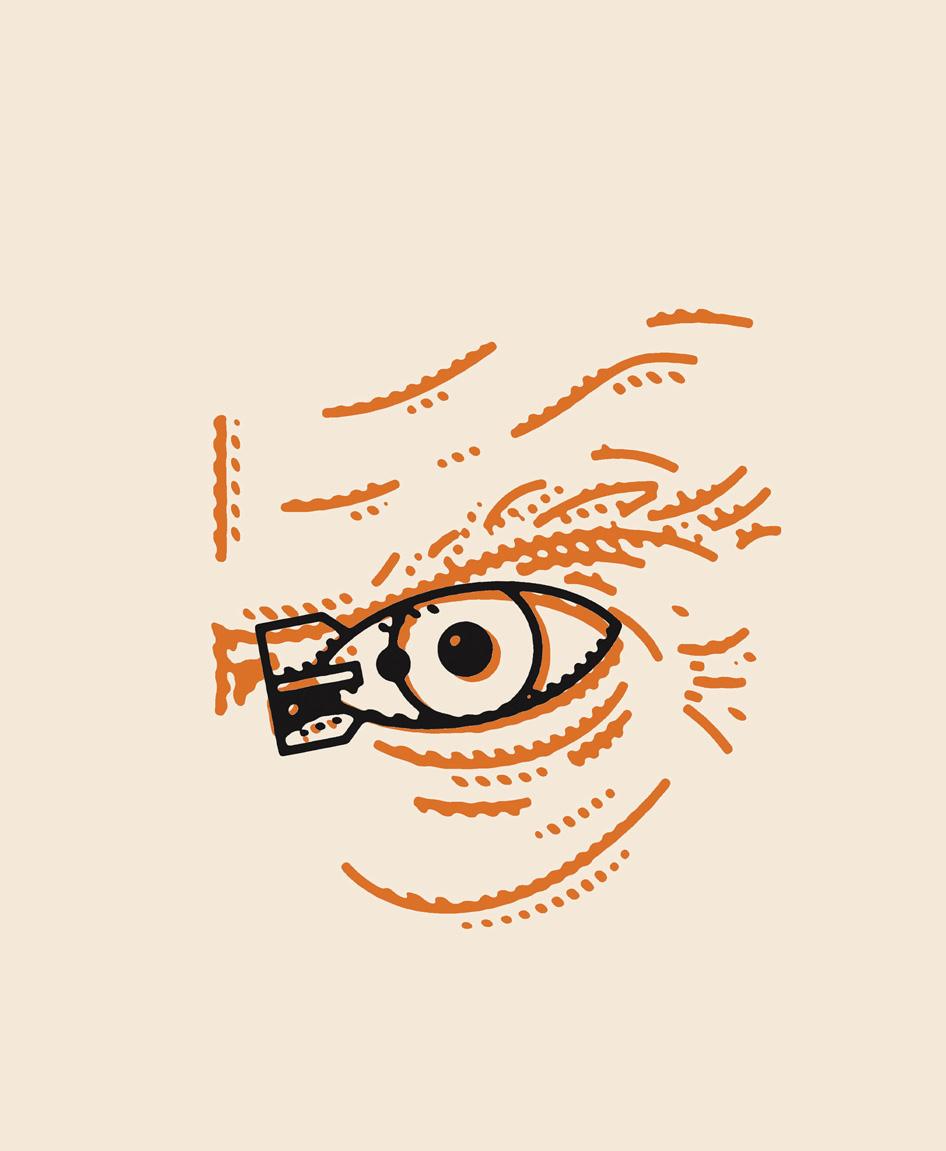
On October 27, 1962, the 12th day of the Cuban missile crisis, a bellicose and rattled Fidel Castro asked Nikita Khrushchev, his patron, to destroy America.
“I believe that the imperialists’ aggressiveness makes them extremely dangerous,” Castro wrote in a cable to Moscow, “and that if they manage to carry out an invasion of Cuba—a brutal act in violation of universal and moral law—then that would be the moment to eliminate this danger forever, in an act of the most legitimate self-defense. However harsh and terrible the solution, there would be no other.”
We exist today because Khrushchev rejected Castro's demand. It was Khrushchev, of course, who brought the planet to the threshold of extinction by placing missiles in Cuba, but he had underestimated the American response to the threat. Together with his adversary, John F. Kennedy, he lurched his way toward compromise. “In your cable of October 27 you proposed that we be the first to carry out a nuclear strike against the enemy's territory,” Khrushchev responded. “Naturally you understand where that would lead us. It would not be a simple strike, but the start of a thermonuclear world war. Dear Comrade Fidel Castro, I find your proposal to be wrong, even though I understand your reasons.”

Esta historia es de la edición August 2025 de The Atlantic.
Suscríbete a Magzter GOLD para acceder a miles de historias premium seleccionadas y a más de 9000 revistas y periódicos.
¿Ya eres suscriptor? Iniciar sesión
MÁS HISTORIAS DE The Atlantic
The Atlantic
Deadlier Than Gettysburg
How the cruelty of the Confederacy's prison camps gave rise to the rules of war

10 mins
March 2026

The Atlantic
THE MAN WHO BROKE PHYSICS
One of the pleasures of watching Ilia Malinin, apart from his indifference to gravity, is to witness him becoming.
16 mins
March 2026

The Atlantic
How Toni Morrison Saw History
In her novels, she located the missing story of Black America.
12 mins
March 2026

The Atlantic
The Madness of Lord Tennyson
The Victorian poet was startlingly modern.
5 mins
March 2026

The Atlantic
THE PLOT AGAINST THE HUMANITIES
What is the Andrew W. Mellon Foundation doing to higher education?
22 mins
March 2026

The Atlantic
Why Do Democrats Hate Winning?
Ken Martin has one of those resting dread faces, as if he's bracing for someone to dump a bucket of rocks on his head.
37 mins
March 2026

The Atlantic
ROD DREHER'S DEMONS
HE DERIDES THE ENLIGHTENMENT, SECULARISM, AND THE MODERN WORLD. CONSERVATIVES-INCLUDING THE VICE PRESIDENT-ARE JOINING HIM ON A MARCH BACK TO THE MIDDLE AGES.
20 mins
March 2026

The Atlantic
Every Nation for Itself
President Trump wants to return to the 19th century's international order. He will leave America less prosperous—and the whole world less secure.
19 mins
March 2026

The Atlantic
The Secrets of Indigenous Art
Major exhibits are upending the way people understand Native American and Aboriginal artists.
14 mins
March 2026

The Atlantic
The Novel as Extended Op-Ed
If anyone could write good fiction about immigration, it would probably be Lionel Shriver. Instead, her latest book goes off the rails.
10 mins
March 2026
Listen
Translate
Change font size