Intentar ORO - Gratis
RWAs and Sustainability
TerraGreen
|September 2022
How RWAS Promote a Sustainable Urban Environment
-

"Good governance is putting people at the centre of development process."
- Narendra Modi
A resident welfare association (RWA) is essentially a group housing system in a layout spread over an area or built into floors of apartments in a building. Resident Welfare Associations (RWAs) are typically registered under the Societies Registration Act, 1860.
They are entirely self-financed and self-managed. RWAs are the finest expression of civil society consensus; an answer to urban problems; a tool for community building and for self-management and direct democracy. An urban resident is endowed with intensive communication skills, fast transport and uninhibited relations with other human beings. They can play a vital role in building up a knowledge-based society.
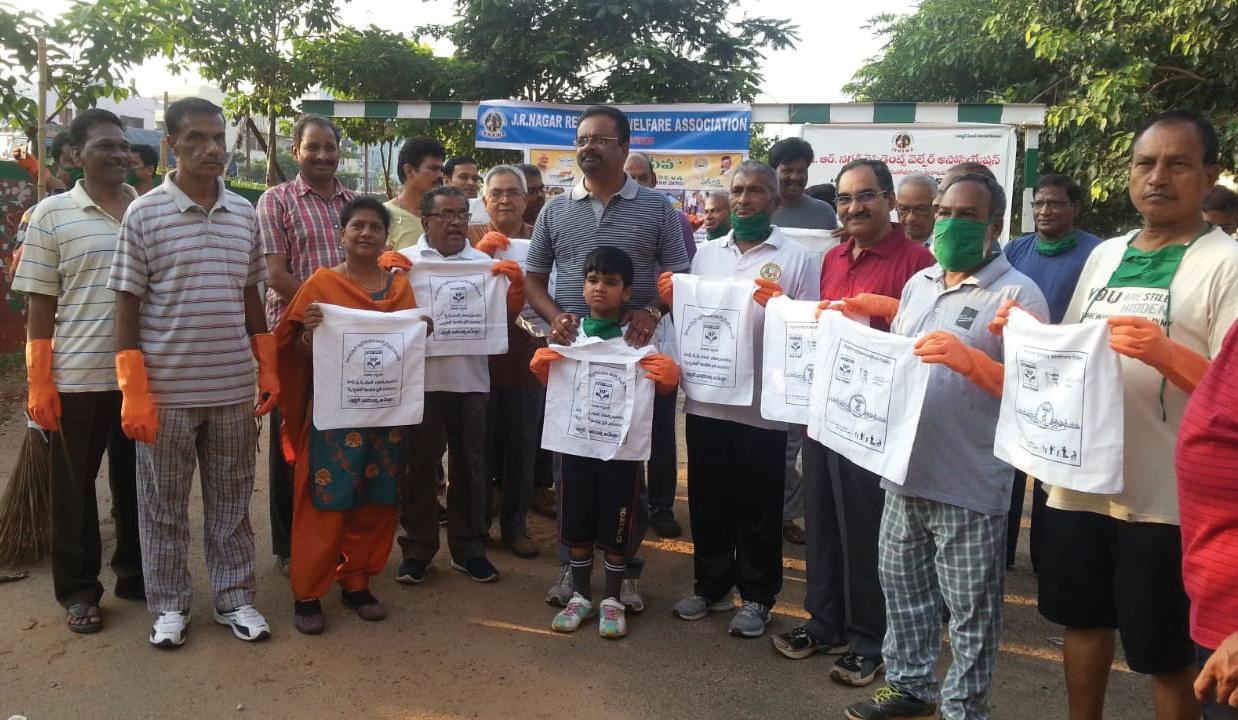
Unfortunately, urban residents are under-represented in all tiers of governance, namely, the Central, State and Local. The RWAs should, therefore, form a fourth tier of grass-root, self-governing micro-urban communities with participatory functions.
One encouraging trend in all major cities, since 1990s, is the formation of Resident Welfare Associations (RWAS).
The Municipal Corporations, the Election Commission of India and other constitutional bodies have also started recognizing RWAs as partners for fair and equitable delivery of services to the public, without political and partisan considerations. Active RWAs now exist in almost all major cities of our country.
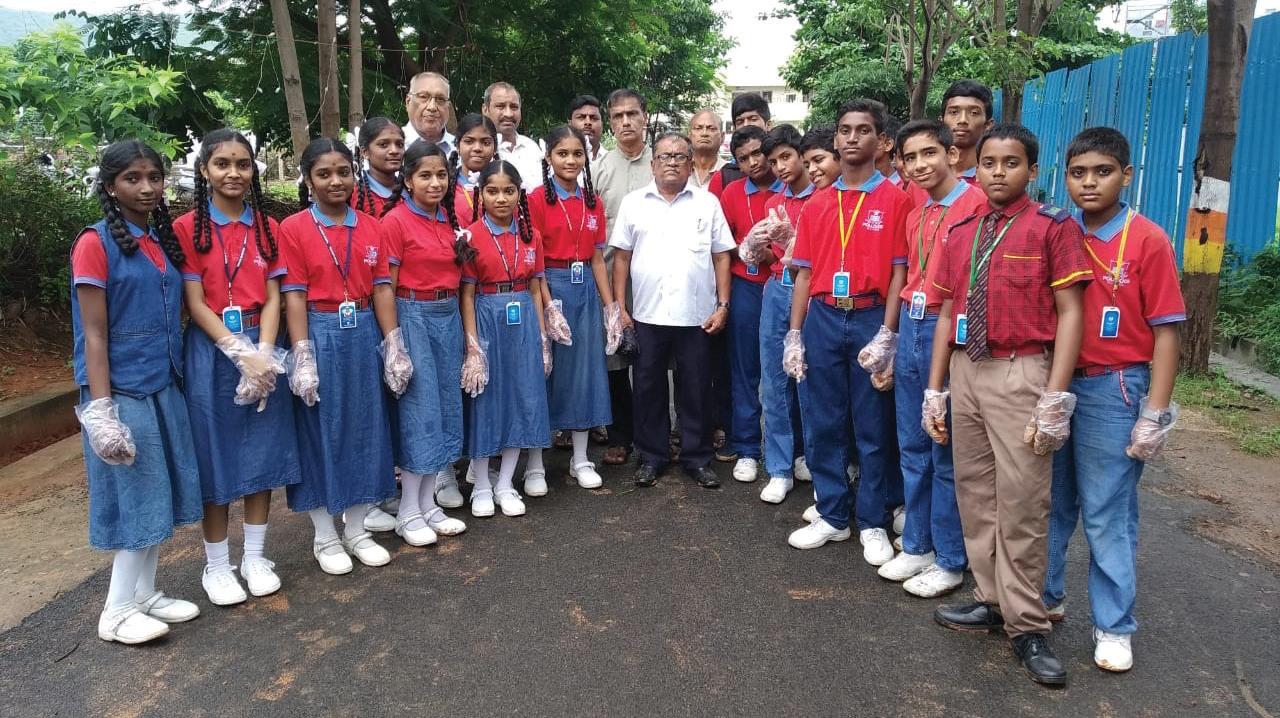
In this article, we describe, as a case study the efforts made by the Andhra Pradesh Federation of RWAS (APFERWAS), Visakhapatnam, in promoting a sustainable urban environment in the city through a well-established organizational structure.


Esta historia es de la edición September 2022 de TerraGreen.
Suscríbete a Magzter GOLD para acceder a miles de historias premium seleccionadas y a más de 9000 revistas y periódicos.
¿Ya eres suscriptor? Iniciar sesión
MÁS HISTORIAS DE TerraGreen

TerraGreen
Motor Efficiency
The Silent Catalyst of India's Green Industrial Revolution

4 mins
January 2026

TerraGreen
Beauty That Betrays!
The Quiet Invasion of An Ornamental Plant
3 mins
January 2026
TerraGreen
Farming Innovation Addresses Food Shortages
Also Halves Methane Emissions
4 mins
January 2026

TerraGreen
Aravalli on the Edge
Saving India's Ancient Green Shield from Collapse
3 mins
January 2026

TerraGreen
From Orchard to Table
Apple Picking, Family Time, and Fall Colours
4 mins
January 2026

TerraGreen
Coral Reefs Could Feed Millions
If We Let Them Rebuild
3 mins
January 2026

TerraGreen
Resting on Deodars
How Fallen Trees are Being Reimagined as Urban Assets in Shimla
3 mins
January 2026

TerraGreen
India's Clean-Air Innovation at Risk
Nationwide Assessment by WeNaturalists
2 mins
January 2026

TerraGreen
CNFF-25
Highlights Environmental Concern Amid India's Cultural Heritage
3 mins
January 2026
TerraGreen
Green Farming through Circular Economy
Sustainable Practices for Waste Reduction
8 mins
January 2026
Translate
Change font size