Intentar ORO - Gratis
WHY WE OVER SPEND
TIME Magazine
|March 25, 2024
The rise of frictionless payments makes it easy to keep buying-whether we can afford to or not
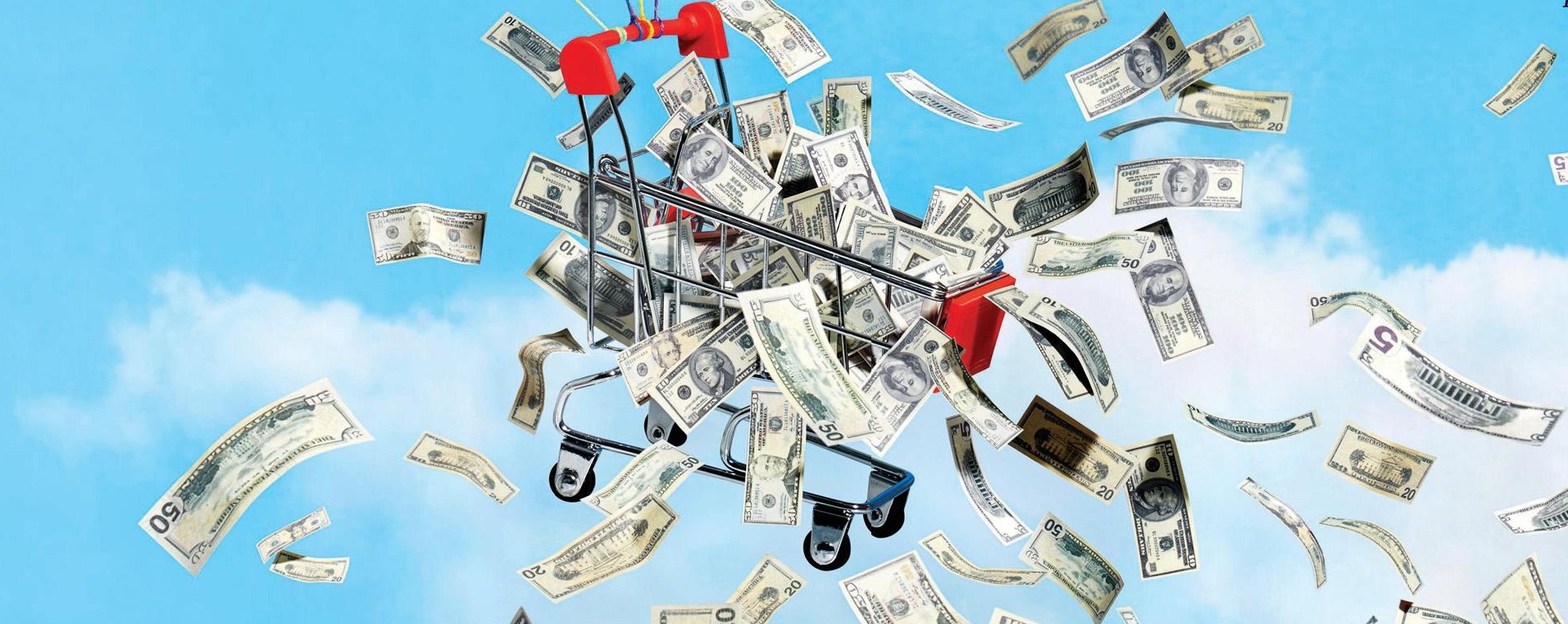
It seldom leaves my wallet anymore. But that doesn't matter. In the two weeks before writing this story, I spent more than $4,000 on my card without laying eyes on it.
Each of these transactions was made online, where my card number is stored. That's probably why I didn't flinch when I spent $333 on groceries for a weekend with friends, $48.34 on a pizza through Uber Eats, or even $1,533 for an Airbnb when my extended family came to visit. Without having to type in my card number, the purchase seemed less significant.
Frictionless transactions are common in today's economy-you can wave your cell near a cash register, press "buy" on Amazon without really knowing which credit card you're charging, and send money to a stranger via your phone without having met them in person. There's even a company marketing a ring you can use to pay for things.
These technologies, often referred to as fintech, for financial technology, make spending easier than ever before-and there's growing evidence that they're making us shell out more than we realize. With so many different accounts to keep track of and so many merchants debiting what we owe every month, we just keep on buying, whether we can afford it or not.
U.S. consumers spent a record $19 trillion in January 2024, up 4% from a year prior and 29% from January 2020. Spending has soared despite inflation, high-interest rates, and repeated commentary from economists that this ebullience can't continue. And yet it has.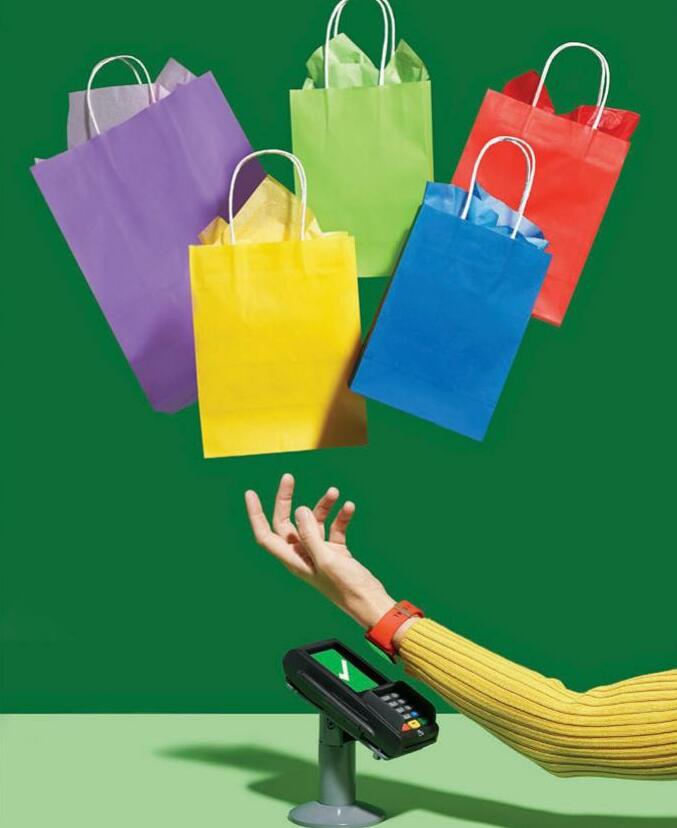


Esta historia es de la edición March 25, 2024 de TIME Magazine.
Suscríbete a Magzter GOLD para acceder a miles de historias premium seleccionadas y a más de 9000 revistas y periódicos.
¿Ya eres suscriptor? Iniciar sesión
Listen
Translate
Change font size