Intentar ORO - Gratis
HOBBES THE OPTIMIST
TIME Magazine
|December 04, 2023
When Thomas Hobbes described life in a state of nature as 'solitary, poor, nasty, brutish and short,' he penned one of the most celebrated sentences in the English language. The 17th-century philosopher asserted that without 'a common power to keep them all in awe,' human beings fall into a state of nature - a condition of anarchical warfare and lawless predation.
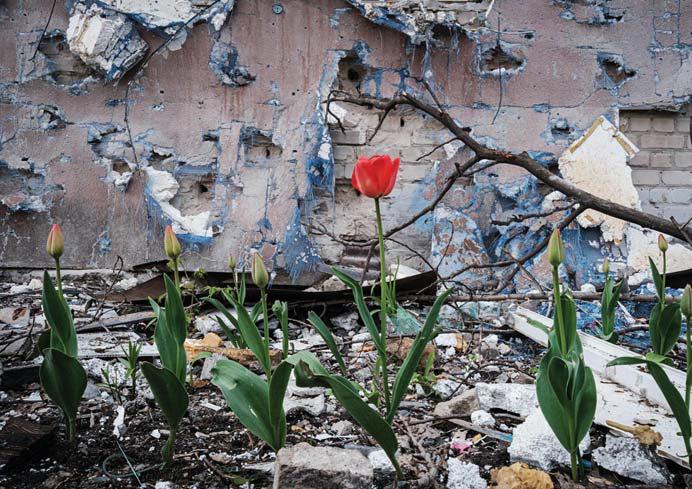
Hobbes' analysis resonates powerfully at the present time, when states are failing in many parts of the world, leaving chaos and crime in their wake. Increasingly, his pessimistic vision seems vindicated by a far-reaching decline in the security human beings need in their everyday lives.
Yet paradoxically, Hobbes was also an optimist. Using their reason, he believed, human beings could lift themselves out of brutish conflict. Humankind could enjoy what in his masterpiece Leviathan (1651) he called "commodious living" - a civilized life of peace, prosperity, and culture through a social contract that would create a ruler all would obey. The power they brought into being which could be a king or a republican assembly - would be unbounded in its powers, but its authority was limited to maintaining peace. No one had a divine or natural right to rule, and if the sovereign failed to protect its subjects, it could be overthrown. In focusing on individuals and their well-being, Hobbes was a liberal, possibly the only one worth reading today.

Esta historia es de la edición December 04, 2023 de TIME Magazine.
Suscríbete a Magzter GOLD para acceder a miles de historias premium seleccionadas y a más de 9000 revistas y periódicos.
¿Ya eres suscriptor? Iniciar sesión
Translate
Change font size