
Vuélvete ilimitado con Magzter GOLD
Obtenga acceso ilimitado a más de 9000 revistas, periódicos e historias Premium por solo
Intentar ORO - Gratis
FORGING AN ASIAN EPIC
TIME Magazine
|March 11, 2024
A new adaptation of Avatar: The Last Airbender is a love letter to Asian and Indigenous cultures

WHILE FICTIONAL FANTASY SERIES TRANSW port viewers to impossible worlds full of magic and mysticism, they also tend to look an awful lot like medieval Europe. The Lord of the Rings, Game of Thrones, The Witcher and many of the most famous fantasy films and TV series explicitly pull from Western folklore and mythology, meaning that even worlds that are designed to stretch the bounds of our imagination are Eurocentric at their core.
And then there's Avatar: The Last Airbender, the fiercely beloved animated Nickelodeon series from 2005. Avatar, not to be confused with James Cameron's film series, depicts an epic power struggle between four nations who channel the elements of water, fire, air, and earth, respectively, in battle. And although Avatar was an American production, its creators forged a distinctly Asian world, with influences from monastic Tibet, Thai kingdoms, and Japanese villages, as well as Arctic Indigenous communities.
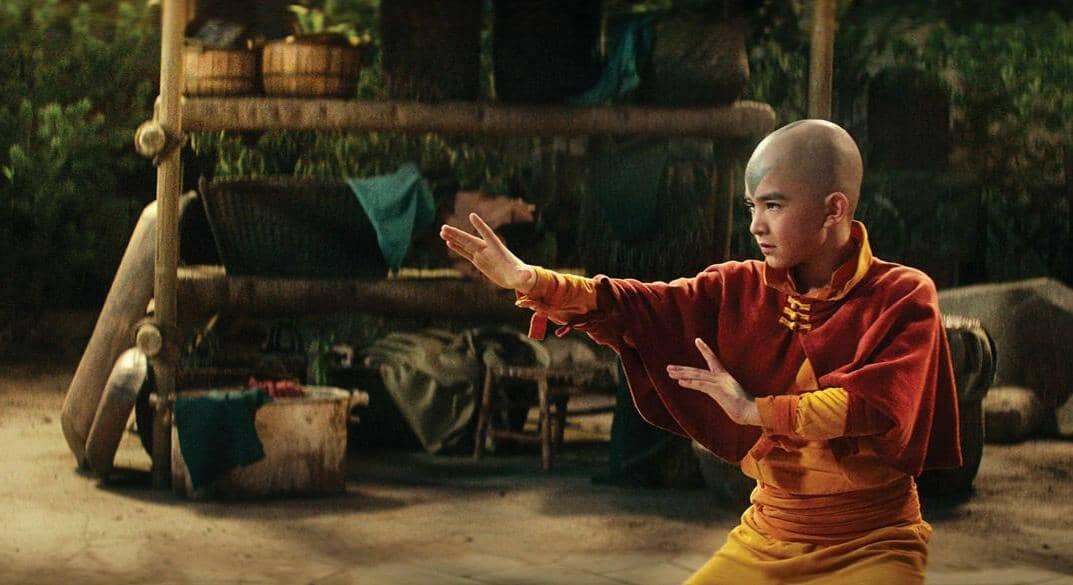
This unique approach was not lost on the TV writer Albert Kim when he watched the series with his daughter. "It was incredibly rare back then - and frankly even now-to find this epic fantasy world that draws its influences from Asian and Indigenous cultures," he says. When the pandemic hit in 2020, Avatar saw a massive resurgence, topping Netflix viewership charts. Now, Kim is the showrunner of a live-action series adaptation, which arrives on Netflix on Feb. 22 facing enormous expectations from the show's faithful fan base. As Kim navigated Avatar's nuanced character arcs, turbulent sociopolitical themes, and ambitious visual tableaus, he made it a priority to center Asian cultural specificity, in order to ground the characters, deepen the world's lore, and provide badly needed representation.


Esta historia es de la edición March 11, 2024 de TIME Magazine.
Suscríbete a Magzter GOLD para acceder a miles de historias premium seleccionadas y a más de 9000 revistas y periódicos.
¿Ya eres suscriptor? Iniciar sesión
Translate
Change font size