Intentar ORO - Gratis
THE LAST GUERRILLAS
THE WEEK India
|May 03, 2026
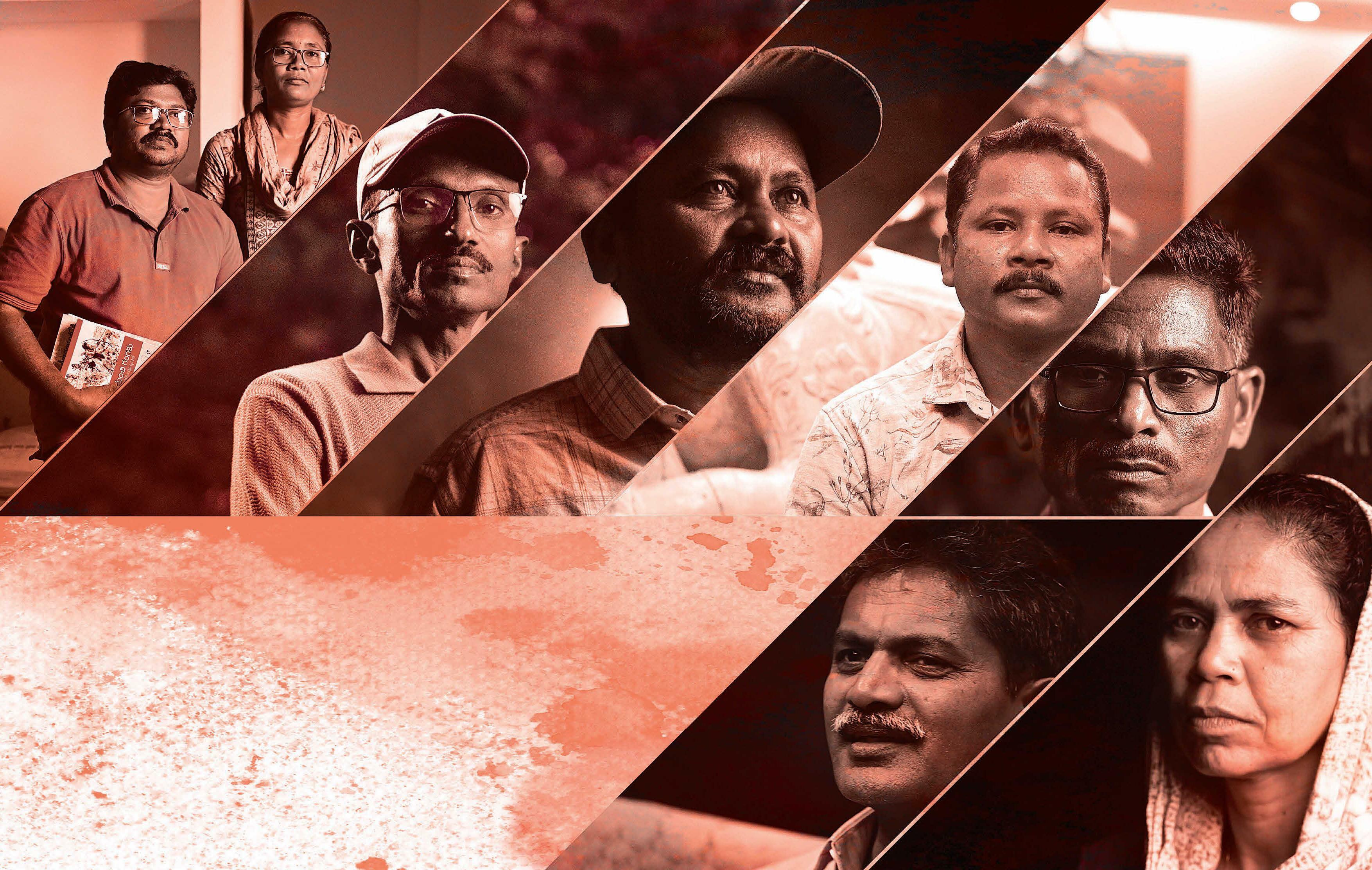
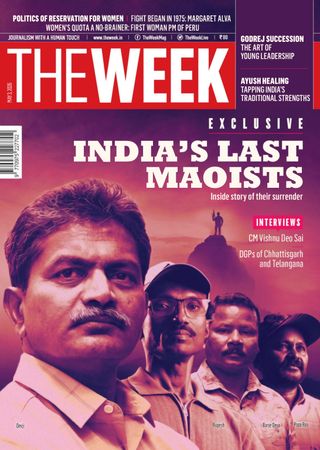
THE WEEK decodes the failed Maoist revolution through the eyes of top commanders and ideologues
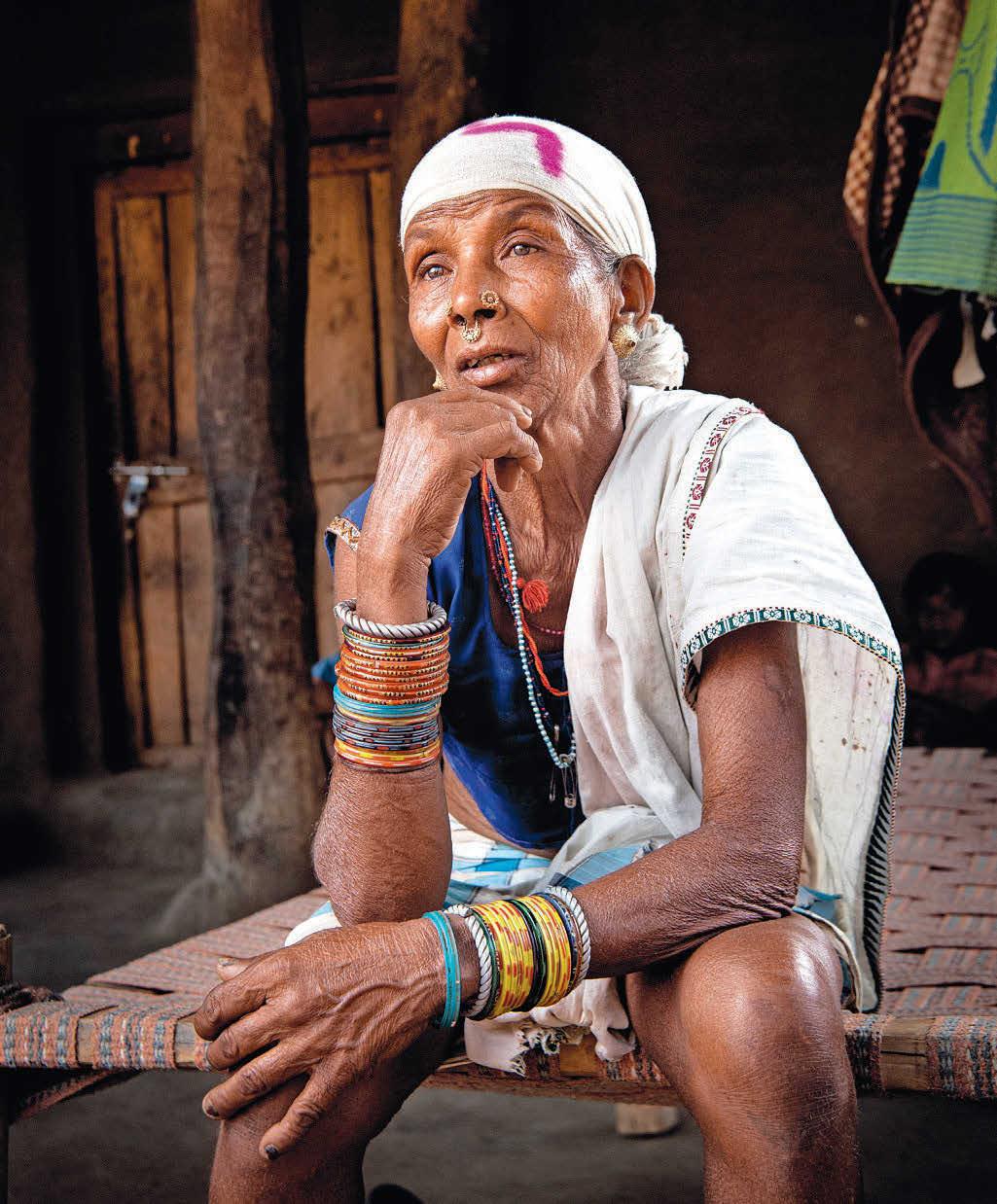
Barse Singe is busy collecting fallen Mahua flowers. The Mahua is celebrated by the tribal communities in rural Chhattisgarh as the tree of life and spirit. Its flowers are dried, consumed or fermented into an elixir worthy of these hardy deciduous trees. Before the flowers fall on the moist forest floor, controlled fires are lit through the night, tracing pathways for forest dwellers and leaving behind fine ash that will cradle the blossoms by morning. At daybreak, the dry ash makes it easier for dwellers to pick flowers. Singe, in her late 70s, is gazing into the forest. But her eyes are not focused on the fire pathways. She longs for her son Barse Deva's homecoming.
The dreaded Deva, commander of the People's Liberation Guerrilla Army's (PLGA) battalion number one, has been gone for 24 years, moving through forested hillocks and carrying out more than two dozen ghastly attacks on security personnel—wiping out a convoy of 23 Congress leaders and two security personnel in Jheeram Ghati in Bastar in 2013; killing 76 security personnel in the 2010 Tadmetla attack. The killings were carried out on the orders of his childhood friend—comrade Madavi Hidma, commander-in-chief of the PLGA.
THE WEEK met Deva after his recent surrender. He was born in Puvarti, along the Telangana border in Chhattisgarh's Sukma district: a village that has bred some of the deadliest military commanders of India's Maoist insurgency. Deva and Hidma played kabaddi, and ran, climbed and moved through the forest terrain together. They would go on to steal US-made Colt rifles, AK-47s and grenade launchers from the police and make improvised explosive devices (IEDs) to spread terror across the Chhattisgarh-Telangana border regions—the largest and last fallen bastion of left-wing extremism in India.

Esta historia es de la edición May 03, 2026 de THE WEEK India.
Suscríbete a Magzter GOLD para acceder a miles de historias premium seleccionadas y a más de 9000 revistas y periódicos.
¿Ya eres suscriptor? Iniciar sesión
MÁS HISTORIAS DE THE WEEK India

THE WEEK India
Redefining care through robotics
For a patient preparing for surgery, the central concern is rarely the sophistication of technology in the operating room.

2 mins
May 03, 2026

THE WEEK India
MOTHER LODE
Why Mother Mary is having a moment in pop culture
4 mins
May 03, 2026

THE WEEK India
LECTURES OVER LAGER
What happens when a professor walks into a bar?
4 mins
May 03, 2026

THE WEEK India
Violence has almost disappeared; ideology hasn't vanished
INTERVIEW - B. Shivadhar Reddy director general of police, Telangana
2 mins
May 03, 2026

THE WEEK India
Reserved, yet deferred
The constitutional amendment bill might have given the BJP an immediate campaign issue, but the government will be under pressure. The opposition has tasted blood
5 mins
May 03, 2026

THE WEEK India
PoSH, a question
Serious concerns over corporate India's workplace harassment framework
4 mins
May 03, 2026
THE WEEK India
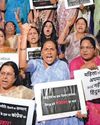
Her seat at the table
To understand why the women's reservation bill took so long-and why its passage, even in this form, carries genuine weight-one has to begin in 1975
7 mins
May 03, 2026
THE WEEK India
Ladies' seats? Why not from 543?
Sigmund Freud died without answering it.
2 mins
May 03, 2026

THE WEEK India
Healing beyond medicine
At THE WEEK's Ayush conclave, conversations brought about a layered understanding of the opportunities and challenges in integrating traditional knowledge with modern science
10 mins
May 03, 2026
THE WEEK India
Tehran to Delhi—echoes of defiance
Ironic—should I say Iranic—that a country whose language is so sophisticated that it does not even bother with gendered pronouns, referring to everyone (and everything) with the same universal “oo” has become the site of an invasion ostensibly to “save” its women from oppression by the boorish and bumbling west.
2 mins
May 03, 2026
Listen
Translate
Change font size