Intentar ORO - Gratis
The Philosophy of Pain
Philosophy Now
|April/May 2025
Vikky Leaney says pain is a problem even (or especially) when we can't see it.
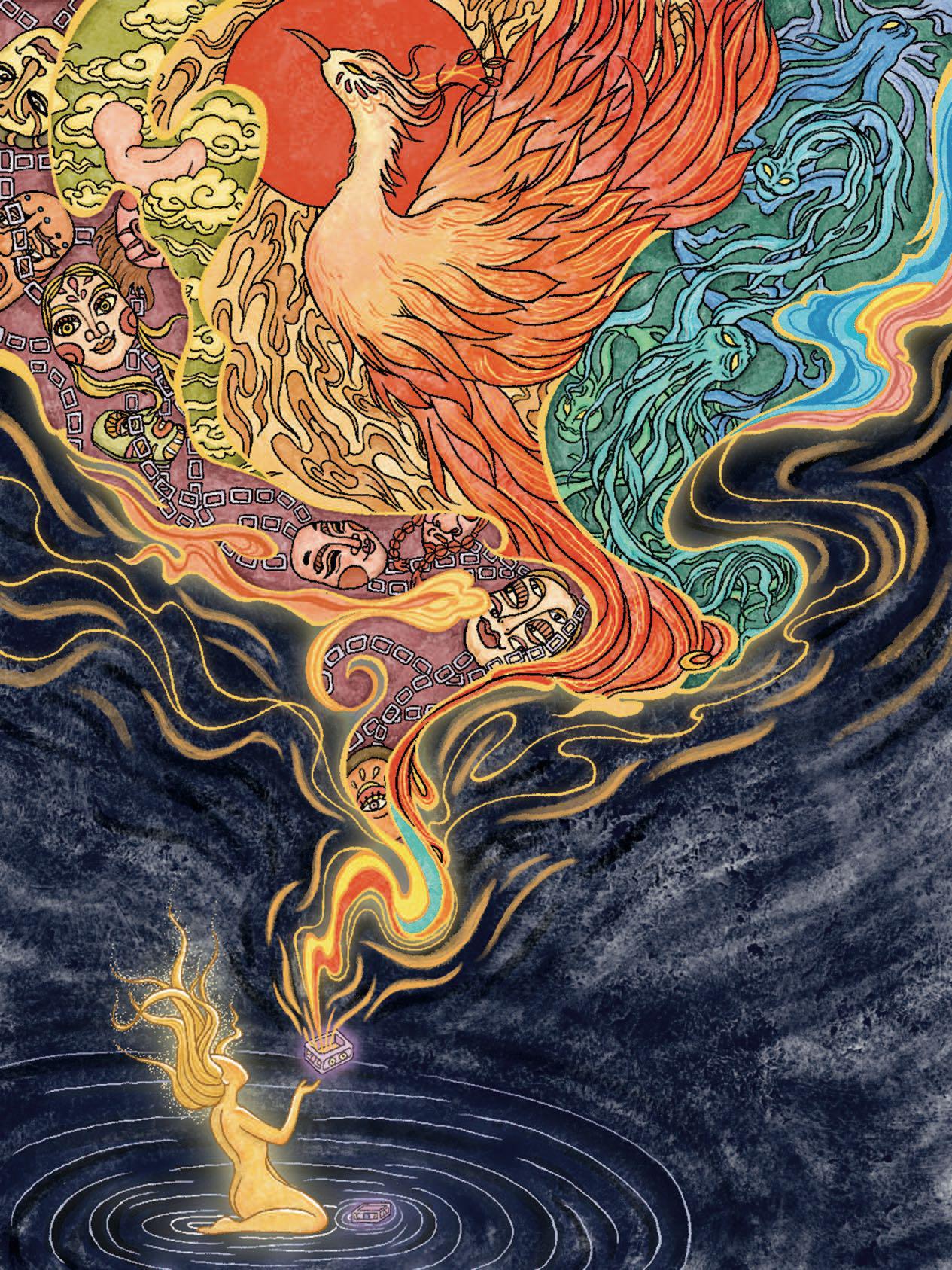
Pain is one of the most paradoxical aspects of human experience: deeply personal, yet profoundly elusive; intangible, yet undeniably real to those who feel it. For people living with fibromyalgia — a chronic condition marked by widespread pain, fatigue, and cognitive difficulties — this paradox becomes an inescapable reality. Fibromyalgia is often referred to as an ‘invisible illness’ because its symptoms lack visible signs or conventional markers that medical science can easily detect. This invisibility leads to a significant struggle for validation for sufferers, both socially and medically. Yet the challenges of fibromyalgia reach beyond personal experience, to raise philosophical questions that probe the nature of pain, the limits of perception, and the ethical dimensions of empathy. This article considers these issues, drawing from phenomenology, ethics, and the philosophy of mind, to explore how invisible illnesses like fibromyalgia challenge our assumptions about pain and our responsibilities towards others. By examining the experience of fibromyalgia sufferers, we can gain insights into how society perceives and validates suffering (or doesn’t) — and how our ethical obligations might require us to believe in what we cannot see.
Pain, Perception & the Body: A Phenomenological Perspective
For people with fibromyalgia, pain is a constant, all-encompassing presence that radiates throughout muscles and joints, affecting daily life in countless ways. This makes fibromyalgia not just a physical experience but an existential one — one that forces sufferers to confront their own bodies as sources of unending discomfort and frustration.

Esta historia es de la edición April/May 2025 de Philosophy Now.
Suscríbete a Magzter GOLD para acceder a miles de historias premium seleccionadas y a más de 9000 revistas y periódicos.
¿Ya eres suscriptor? Iniciar sesión
MÁS HISTORIAS DE Philosophy Now

Philosophy Now
Bilbo Theorizes About Wellbeing
Eric Comerford overhears Bilbo and Gandalf discussing happiness.

9 mins
December 2025 / January 2026

Philosophy Now
What Women?
Marcia Yudkin remembers almost choking at Cornell
11 mins
December 2025 / January 2026

Philosophy Now
Islamic Philosophers On Tyranny
Amir Ali Maleki looks at tyranny from an Islamic perspective.
4 mins
December 2025 / January 2026

Philosophy Now
Peter Singer
The controversial Australian philosopher defends the right to choose to die on utilitarian grounds
5 mins
December 2025 / January 2026

Philosophy Now
Another Conversation with Martin Heidegger?
Raymond Tallis talks about communication problems.
7 mins
December 2025 / January 2026

Philosophy Now
Letters
When inspiration strikes, don't bottle it up. Email me at rick.lewis@philosophynow.org Keep them short and keep them coming!
17 mins
December 2025 / January 2026
Philosophy Now
The Philosophy of William Blake
Mark Vernon looks at the imaginative thinking of an imaginative artist.
9 mins
December 2025 / January 2026

Philosophy Now
Philosophical Haiku
Peering through life’s lens God in nature is deduced: The joy of being.
1 mins
December 2025 / January 2026

Philosophy Now
Philosophy Shorts
More songs about Buildings and Food' was the title of a 1978 album by the rock band Talking Heads. It was about all the things rock stars normally don't sing about. Pop songs are usually about variations on the theme of love; tracks like Rose Royce's 1976 hit 'Car Wash' are the exception. Philosophers, likewise, tend to have a narrow focus on epistemology, metaphysics and trifles like the meaning of life. But occasionally great minds stray from their turf and write about other matters, for example buildings (Martin Heidegger), food (Hobbes), tomato juice (Robert Nozick), and the weather (Lucretius and Aristotle). This series of Shorts is about these unfamiliar themes; about the things philosophers also write about.
2 mins
December 2025 / January 2026

Philosophy Now
Hedonic Treadmills in the Vale of Tears
Michael Gracey looks at how philosophers have pursued happiness.
8 mins
December 2025 / January 2026
Listen
Translate
Change font size