
Vuélvete ilimitado con Magzter GOLD
Obtenga acceso ilimitado a más de 9000 revistas, periódicos e historias Premium por solo
Intentar ORO - Gratis
Does a Just Society Require Just Citizens?
Philosophy Now
|October/November 2023
Jimmy Alfonso Licon on moral mediocrity.
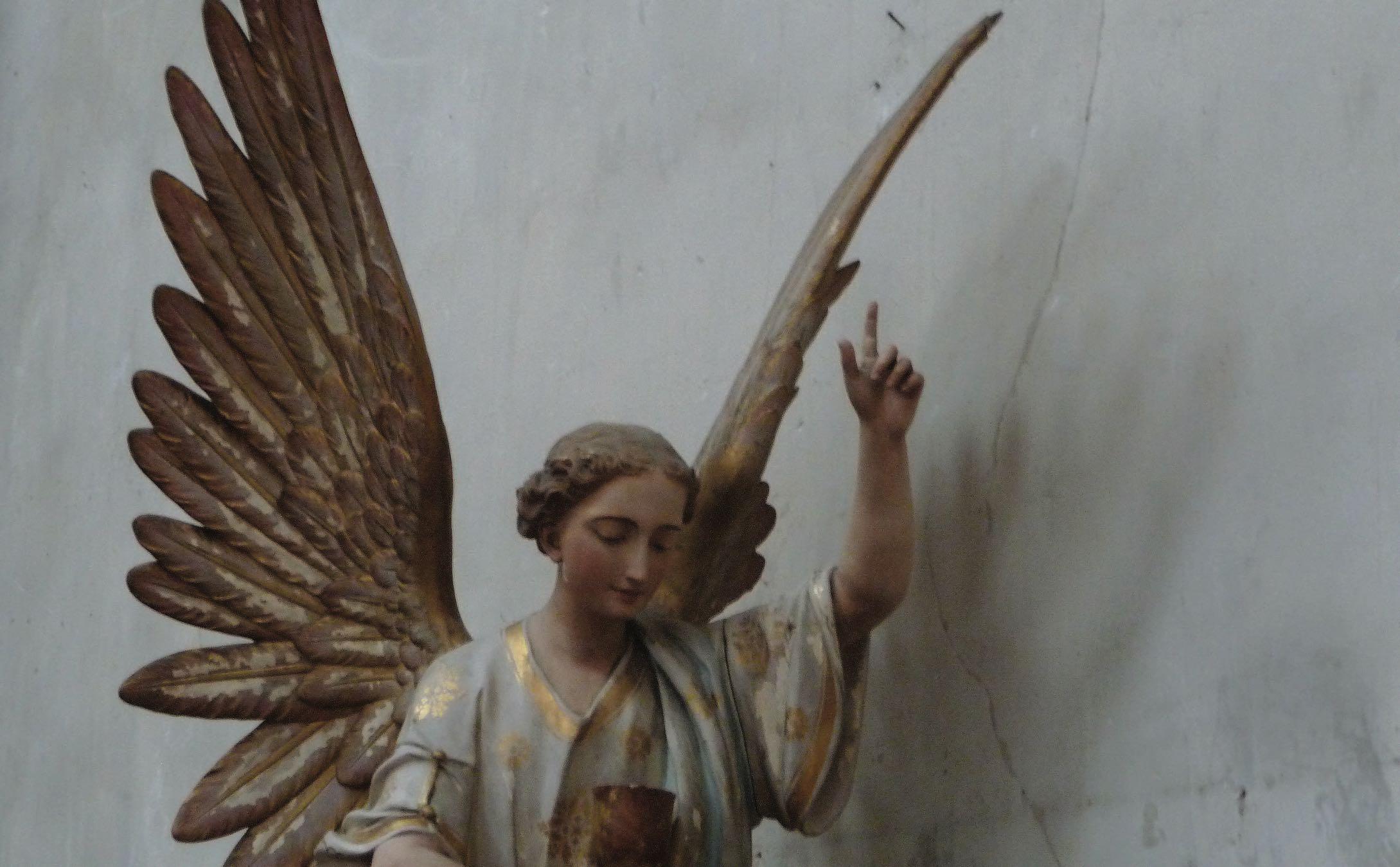
"If men were angels, no government would be necessary. If angels were to govern men, neither external nor internal controls on government would be necessary. In framing a government which is to be administered by men over men [...] you must first enable the government to control the governed; and in the next place oblige it to control itself."
(James Madison and Alexander Hamilton, Federalist Papers)
We are tribal in our political and moral thinking, and project our deficiencies onto others. We rarely live up to our ideals. We are susceptible to motivated reasoning: evaluating evidence in a biased way to arrive at our favored conclusion. We confabulate about our motives and beliefs. This isn't to deny that people can be loving, generous, and self-sacrificing, but to emphasize the dark side of human nature.
Many political philosophers argue that bad citizens make the state a necessity. If we were saints, the state would be unnecessary: people would be good citizens because they recognized it was the right thing to do - there would be no need for state violence to enforce the good. However, we do need the state to protect our right to property, rectify wrongdoing, enforce contracts, take care of the sick and aged, and so forth. The need for the state is thus largely because of individuals who disregard justice murder, theft, and assault are not the fruits of justice. On the flip side, it should be clear why morally perfect citizens wouldn't need a state: they would be willing to do what's right, help each other without fear of exploitation, and so forth. The need for the state amply testifies to the human moral shortcomings.
Introducing Moral Mediocrity

Esta historia es de la edición October/November 2023 de Philosophy Now.
Suscríbete a Magzter GOLD para acceder a miles de historias premium seleccionadas y a más de 9000 revistas y periódicos.
¿Ya eres suscriptor?Iniciar sesión
MÁS HISTORIAS DE Philosophy Now

Philosophy Now
Nosferatu
Stefan Bolea considers two very different artistic approaches to love and death.

6 mins
April/May 2025

Philosophy Now
Heidegger's Ghost
Raymond Tallis wonders where Heidegger's body went when he was philosophising.
7 mins
April/May 2025

Philosophy Now
Is Comedy Good For Us?
Damaris Stock has a laugh with Plato and friends.
10 mins
April/May 2025
Philosophy Now
In Defense of Idleness
Wendell O'Brien says, 'Just Don't Do It'.
10 mins
April/May 2025

Philosophy Now
Leaving Nothing to Chance by Carl Knight
LEAVING NOTHING TO Chance (2025) by Carl Knight, is an informed, proficient and lucid defence of luck egalitarianism.
3 mins
April/May 2025

Philosophy Now
Star Maker by Olaf Stapledon
THE 1937 SCIENCE FICTION novel Star Maker was written by philosophy professor Olaf Stapledon in the dark days as Europe awaited the onslaught of Nazi Germany. This casts a shadow over the whole book.
6 mins
April/May 2025
Philosophy Now
Love & Emptiness in the Sufi Tradition
Medha Ninad Tambe meditates on Rumi, love and self-negation.
7 mins
April/May 2025

Philosophy Now
The Hedgehog's Dilemma: A Metaphor About the Challenges of Human Intimacy
Krishna Chaubey explains Arthur Schopenhauer's poignant thought experiment.
4 mins
April/May 2025

Philosophy Now
The Mirror & the Flame
Rebwar Fatah imagines Attar's & Hegel's shared path.
4 mins
April/May 2025
Philosophy Now
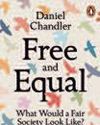
Free and Equal by Daniel Chandler
DANIEL CHANDLER, AN economist and philosopher based at the London School of Economics, begins Free and Equal: What Would a Fair Society Look Like? (2023) by asking an intriguing question. How is it, he wonders, that the most influential political philosopher of the last century has had almost no practical impact on politics or policy? The philosopher in question is John Rawls, whose magnum opus was A Theory of Justice (1971).
5 mins
April/May 2025
Translate
Change font size