Intentar ORO - Gratis
RUN A HOME INSURANCE CHECKUP
Kiplinger's Personal Finance
|May 2026
If you don't have sufficient coverage, your out-of-pocket costs in a claim could be through the roof.
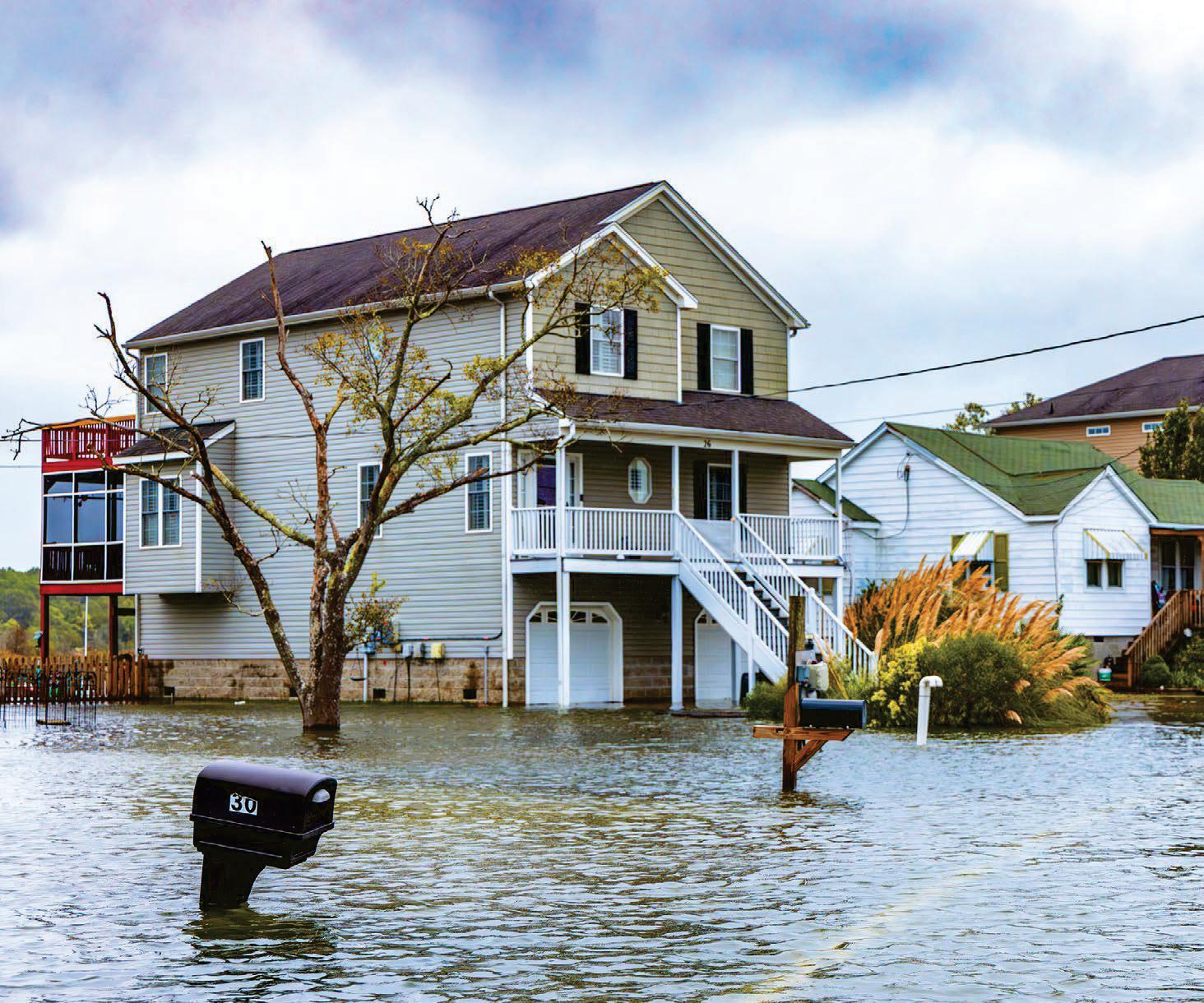
AS summer approaches, so do the storms. Tornado activity often peaks in the spring and early summer, and the Atlantic hurricane season starts in June. In 2024, there were 27 weather- or climate-related disasters that each had losses of $1 billion or more, according to the most recent data from the National Oceanic and Atmospheric Administration.
In case severe weather or another catastrophe hits, now is a good time to make sure your home insurance coverage is up to snuff. It’s also a good idea to make a regular practice of reviewing your policy before it renews each year, says Susan Meyer, insurance analyst at The Zebra, a site for comparing insurance quotes.
ABCs of coverage. First, assess some key coverages. Your dwelling coverage, otherwise known as Coverage A, pays to rebuild your home’s physical structure, including framing, roofs, floors and chimneys, if it’s damaged by fire, a storm, snow or other covered perils.
You may need to adjust your policy’s dwelling coverage if you've renovated your home by, say, adding a bathroom or remodeling your kitchen. Rising prices for construction materials in recent years may push up the cost of rebuilding, too. Talk with your insurance agent or a local contractor to get an idea of the cost per square foot to rebuild your home. Some insurance companies offer online calculators you can use to help determine how much coverage you need.
While Coverage A applies to your house, Coverage B protects other structures that are not physically attached to it, such as a fence, detached garage, shed or guest house. The Coverage B limit is typically set at 10% of the Coverage A limit. If your dwelling-coverage limit is $400,000, for example, then your limit for other structures would be $40,000. Depending on the types of other structures you have on your property, you may need to increase the Coverage B limit.


Esta historia es de la edición May 2026 de Kiplinger's Personal Finance.
Suscríbete a Magzter GOLD para acceder a miles de historias premium seleccionadas y a más de 9000 revistas y periódicos.
¿Ya eres suscriptor? Iniciar sesión
MÁS HISTORIAS DE Kiplinger's Personal Finance

Kiplinger's Personal Finance
IS MONEY MAKING YOU SICK?
Research reveals a strong link between financial well-being and physical and mental health—and what you can do to keep all three in top shape.

12 mins
June 2026

Kiplinger's Personal Finance
THE BEST SMART DEVICES FOR YOUR HOME
These gadgets add comfort and convenience to your living space- and some can even save you money.
5 mins
June 2026

Kiplinger's Personal Finance
Managing the High Cost of Mental Health Care
Cases of anxiety, depression and other conditions are rising, and so is the price of treatment. These strategies can help you get care you can afford.
9 mins
June 2026

Kiplinger's Personal Finance
What This Year's Biggest Medicare Changes Mean for You
Some drug prices are falling, other costs are climbing, and new rules abound. Here's what you need to know.
5 mins
June 2026

Kiplinger's Personal Finance
THE LOWDOWN ON SMARTPHONE INSURANCE
A protection plan can provide peace of mind but may not be worth the cost.
2 mins
June 2026

Kiplinger's Personal Finance
READERS' CHOICE AWARDS 2026
We asked readers to evaluate brokers, wealth managers, credit cards, insurance companies and other financial providers. These are the products and services that stand out from the crowd.
6 mins
June 2026

Kiplinger's Personal Finance
WHERE TO FIND TOP YIELDS
Interest rates are rising along with geopolitical tensions. Pocket yields as high as 13%, depending on your tolerance for risk.
19 mins
June 2026

Kiplinger's Personal Finance
HOW TO HANDLE LOVE AND MONEY THE SECOND TIME AROUND
The financial stakes are higher and the potential pitfalls more plentiful when you say “I do-again.”
10 mins
June 2026

Kiplinger's Personal Finance
A SHIFT AWAY FROM HIGH-TAX STATES
The IRS has released new data on how taxpayers are migrating throughout the U.S., and it reveals a clear pattern: Billions of dollars in income are flowing out of high-tax states and into areas where taxes, and often overall living costs, are lower.
2 mins
June 2026
Kiplinger's Personal Finance
FIGHTING BACK AGAINST INFLATION
INFLATION seems to be going from pesky to pernicious.
1 mins
June 2026
Listen
Translate
Change font size