
Vuélvete ilimitado con Magzter GOLD
Obtenga acceso ilimitado a más de 9000 revistas, periódicos e historias Premium por solo
Intentar ORO - Gratis
15 WAYS TO LOWER YOUR HEALTH CARE COSTS
Kiplinger's Personal Finance
|June 2026
Stressed out by the high price of staying well? These strategies can save you hundreds, or even thousands, on your annual medical bills.

GAS prices are soaring, the cost of beef is through the roof, and electricity bills have shot up everywhere.
But in a year when the affordability of basic goods and services is causing great anxiety across the board, there seems to be no expense more worrisome to Americans than what they're paying for health care.
The evidence is everywhere. Two-thirds of Americans now say they worry about how they'll be able to afford health care for themselves and their families—overshadowing concerns about any other necessity, including utilities, food and groceries, housing, and gas, according to a recent poll from nonprofit health policy organization KFF. And the majority, some 56%, say they expect the price of receiving care will become even less affordable this year.
“The problem of higher health care costs is bad, and it’s getting worse,” says Caitlin Donovan, senior director at the nonprofit Patient Advocate Foundation.
The price of health insurance—the thing that’s supposed to protect you from high medical bills—has grown especially burdensome. That’s particularly true for many people who get coverage on the Affordable Care Act Health Insurance Marketplace.
Four out of five people who re-enrolled in marketplace plans for 2026 report their premiums, deductibles, coinsurance and co-payments are higher than last year, with about half saying they're a lot higher, KFF says. The benchmark premium is up 22% on average, compared with 2% average annual increases between 2020 and 2025, according to the Urban Institute. Meanwhile, the expiration of enhanced premium tax credits for people who earn more than 400% of the federal poverty level means those enrollees, on average, saw their premiums about double.
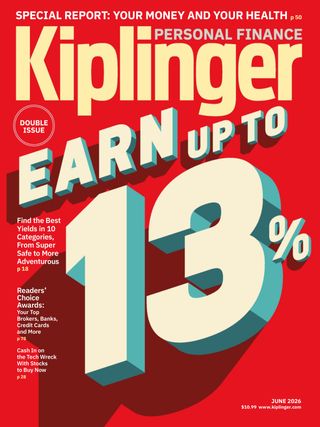

Esta historia es de la edición June 2026 de Kiplinger's Personal Finance.
Suscríbete a Magzter GOLD para acceder a miles de historias premium seleccionadas y a más de 9000 revistas y periódicos.
¿Ya eres suscriptor? Iniciar sesión
MÁS HISTORIAS DE Kiplinger's Personal Finance

Kiplinger's Personal Finance
IS MONEY MAKING YOU SICK?
Research reveals a strong link between financial well-being and physical and mental health—and what you can do to keep all three in top shape.

12 mins
June 2026

Kiplinger's Personal Finance
THE BEST SMART DEVICES FOR YOUR HOME
These gadgets add comfort and convenience to your living space- and some can even save you money.
5 mins
June 2026

Kiplinger's Personal Finance
Managing the High Cost of Mental Health Care
Cases of anxiety, depression and other conditions are rising, and so is the price of treatment. These strategies can help you get care you can afford.
9 mins
June 2026

Kiplinger's Personal Finance
What This Year's Biggest Medicare Changes Mean for You
Some drug prices are falling, other costs are climbing, and new rules abound. Here's what you need to know.
5 mins
June 2026

Kiplinger's Personal Finance
THE LOWDOWN ON SMARTPHONE INSURANCE
A protection plan can provide peace of mind but may not be worth the cost.
2 mins
June 2026

Kiplinger's Personal Finance
READERS' CHOICE AWARDS 2026
We asked readers to evaluate brokers, wealth managers, credit cards, insurance companies and other financial providers. These are the products and services that stand out from the crowd.
6 mins
June 2026

Kiplinger's Personal Finance
WHERE TO FIND TOP YIELDS
Interest rates are rising along with geopolitical tensions. Pocket yields as high as 13%, depending on your tolerance for risk.
19 mins
June 2026

Kiplinger's Personal Finance
HOW TO HANDLE LOVE AND MONEY THE SECOND TIME AROUND
The financial stakes are higher and the potential pitfalls more plentiful when you say “I do-again.”
10 mins
June 2026

Kiplinger's Personal Finance
A SHIFT AWAY FROM HIGH-TAX STATES
The IRS has released new data on how taxpayers are migrating throughout the U.S., and it reveals a clear pattern: Billions of dollars in income are flowing out of high-tax states and into areas where taxes, and often overall living costs, are lower.
2 mins
June 2026
Kiplinger's Personal Finance
FIGHTING BACK AGAINST INFLATION
INFLATION seems to be going from pesky to pernicious.
1 mins
June 2026
Listen
Translate
Change font size