Intentar ORO - Gratis
SPACE ROCKS
Rock&Gem Magazine
|September 2025
Exploring the Asteroid Belt's Ancient Rocks
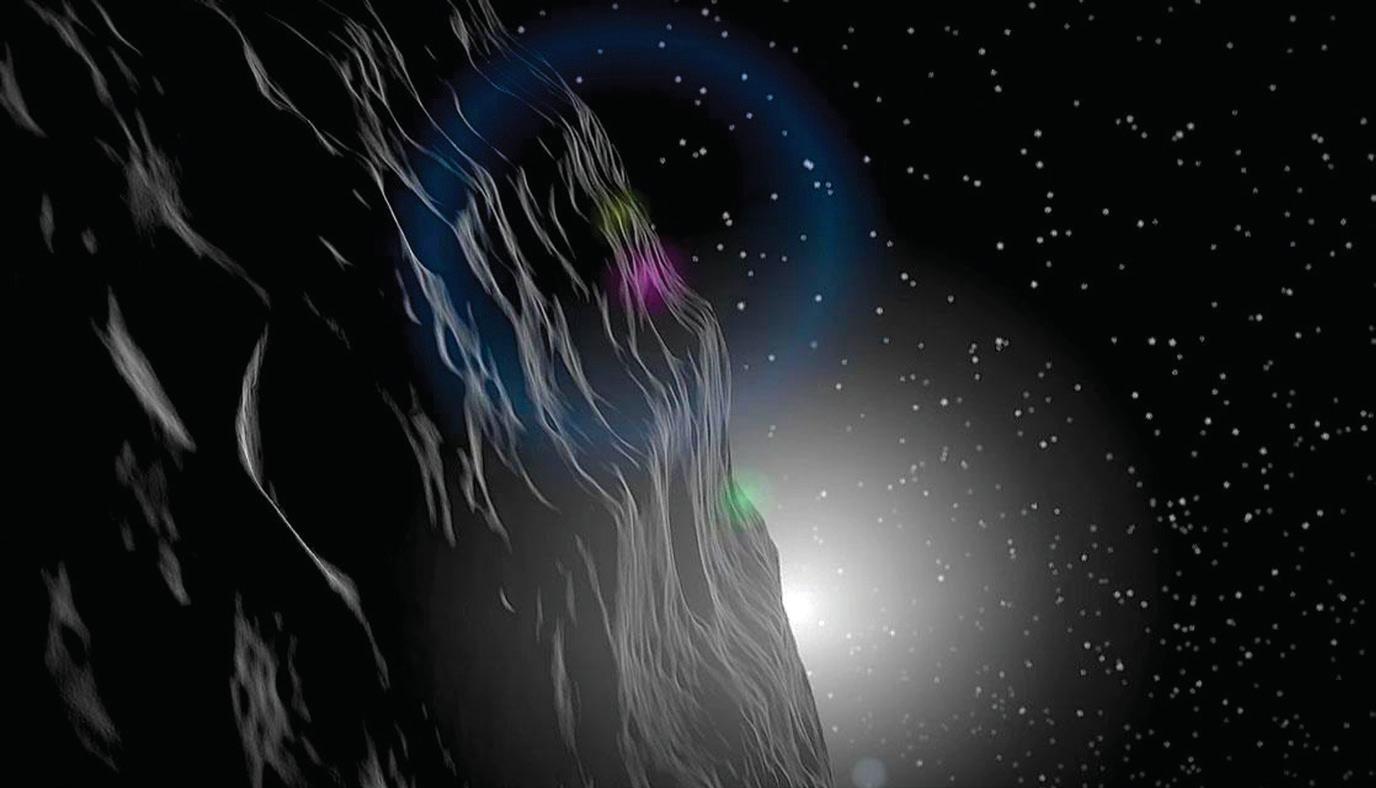
Millions of miles from Earth, a horde of ancient rocks swirl around the Sun.This spinning band of randomly shaped objects fills the orbital space between Mars and Jupiter, providing us with clues to how our Solar System was created.
Known as the Asteroid Belt, this conglomerate of small stellar bodies contains around 1.5 million asteroids, all of varying sizes. Ranging from 327 miles in length to 33 feet, asteroids are made up of a variety Of metals. Too small to be considered planets, they do not have enough gravity to hold an atmosphere. Many are as old as the Solar System itself.
Believed to be made up of 4.6 billion-year-old primordial material that did not coalesce into planets when the Solar System was forming, the total mass of all asteroids orbiting the Sun is estimated to be less than half the size of the Moon. Yet, using Earth-based remote sensing, data from the Galileo mission and laboratory analysis of meteorites—fragments of asteroids that have struck the Earth—the National Aeronautics and Space Administration (NASA) has developed a good understanding of the ancient objects.
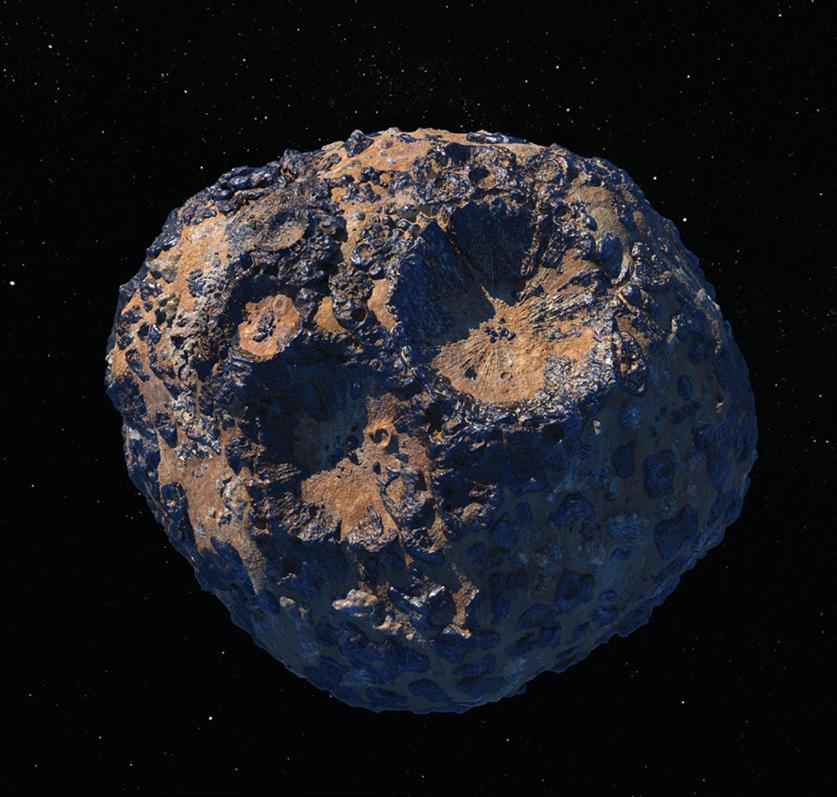 ASTEROID TYPES
NASA has been studying asteroids for decades and has categorized three different types of these interplanetary rocks, based on their composition:
C-type (Carbonaceous): The vast majority of known asteroids are the dark C-type. Their composition is clay and silicate rock, and they can be found in the Asteroid Belt's outer regions. They are the oldest asteroids in the Solar System.
S-type (Silicaceous): Made from silicate materials and nickel-iron, the S-type is the most common type of asteroid on the inner side of the Asteroid Belt. About 17% of known asteroids fall into this category.

Esta historia es de la edición September 2025 de Rock&Gem Magazine.
Suscríbete a Magzter GOLD para acceder a miles de historias premium seleccionadas y a más de 9000 revistas y periódicos.
¿Ya eres suscriptor? Iniciar sesión
MÁS HISTORIAS DE Rock&Gem Magazine
Rock&Gem Magazine
A New Amber Locality Fills a Gap
A sandstone quarry in central Ecuador has yielded the first significant deposit of Mesozoic amber from South America.

1 min
January / February 2026
Rock&Gem Magazine
Did "Left-Handed" Fish Leave Water Earlier than Thought?
Fossil evidence suggests that fish (or \"fishapods\") dragged themselves onto land during the middle Devonian Period.
1 min
January / February 2026

Rock&Gem Magazine
"Lab Quakes” Produce Surprising Results
When faults let loose and earthquakes result, the main effect we mortals experience is the violent shaking.
1 min
January / February 2026
Rock&Gem Magazine
This Egg is No Spring Chicken
How to date a dino egg
1 min
January / February 2026
Rock&Gem Magazine
Have we Already Mined the Critical Minerals We Need
Then why are we throwing them away?!
1 min
January / February 2026
Rock&Gem Magazine
One Toxic Worm
A critter that creates & tolerates orpiment!
1 min
January / February 2026
Rock&Gem Magazine
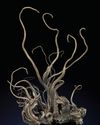
ROCK & GEM FIELD GUIDE: Silver
Silver (Ag) is a native element and one of Earth's most prized precious metals.
2 mins
January / February 2026
Rock&Gem Magazine
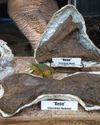
DINOSAURS OF THE HELL CREEK MUSEUM
In the Badlands of South Dakota, just outside the small town of Belle Fourche—pronounced “Bell Foosh”—a new attraction has taken shape that every dinosaur enthusiast should see. The Dinosaurs of the Hell Creek Museum is part hands-on exhibit, part science center and part active research lab.
3 mins
January / February 2026
Rock&Gem Magazine
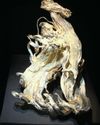
The Lost Twins of Kongsberg
A Silver Story Resurfaced
3 mins
January / February 2026
Rock&Gem Magazine
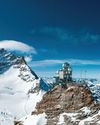
Switzerland's ICE PALACE
Walk Inside a Glacier at The Top of Europe
7 mins
January / February 2026
Listen
Translate
Change font size