Intentar ORO - Gratis
"AMERICA'S VOLCANO"
Rock&Gem Magazine
|May 2025
Remembering Mount St. Helens
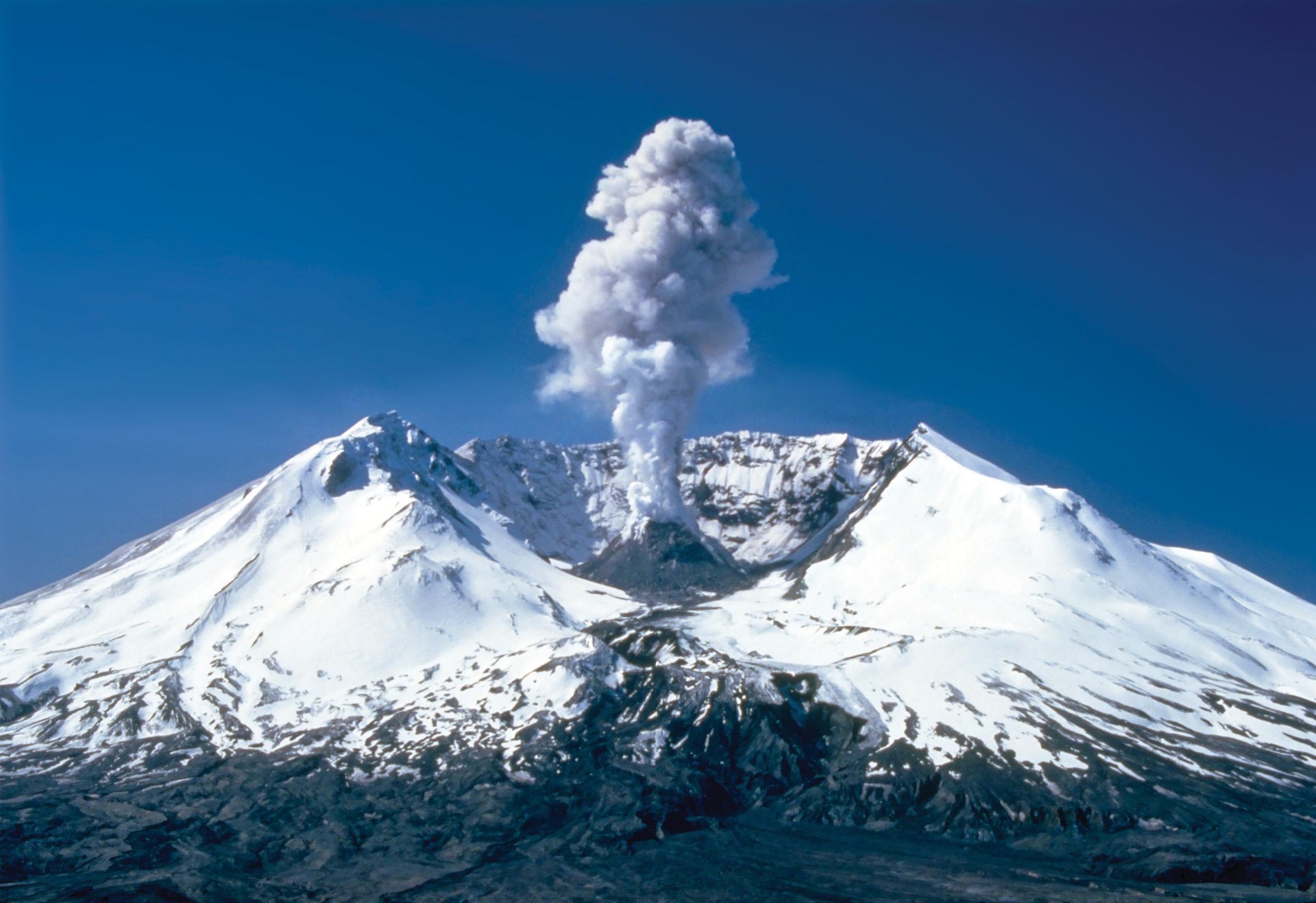
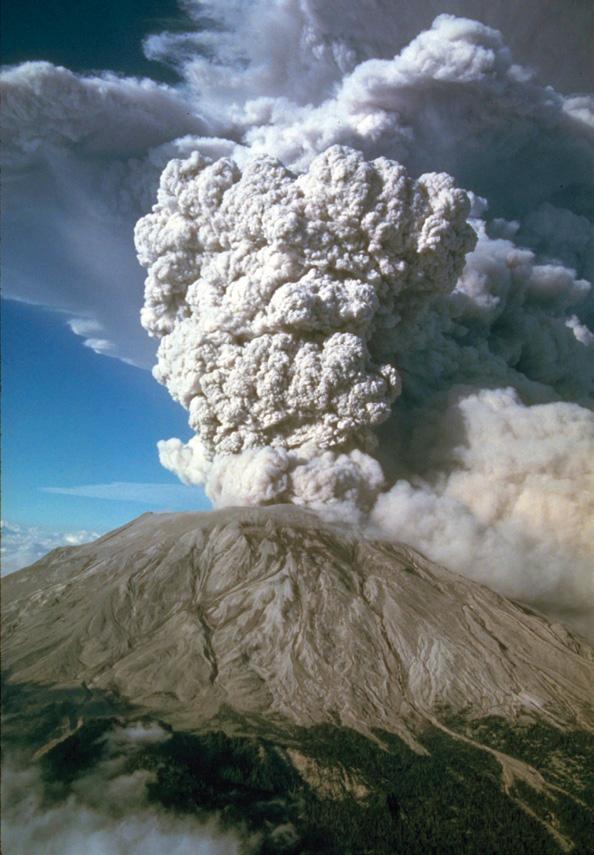
Forty-five years ago this month, the deadliest and most destructive volcanic event in America’s history took place in the state of Washington. On May 18, 1980, the cataclysmic eruption of Mount St. Helens literally removed the entire top of the mountain. It also killed 57 people, devastated forests and wildlife, and destroyed homes and highways.
Today, Mount St. Helens is known as “America’s volcano” and is the namesake attraction at Mount St. Helens National Volcanic Monument. Although the volcano is now quiet, geologists warn that future eruptions are likely.
GEOLOGY
Located 100 miles south of Seattle and 50 miles north of Portland, Oregon, Mount St. Helens is part of the Cascades Volcanic Province, a volcanic arc extending from southwestern British Columbia to northern California. Within this geological province are 20 major volcanoes along with hundreds of lesser volcanic features such as vents, domes, lava flows and cinder cones.
The Cascades Volcanic Province was created by tectonic-plate movement as the North American Plate subducts the oceanic Juan de Fuca Plate, increasing temperatures of free water molecules from subducted rock. This superheated water then moves upward into the overlying North American Plate where it melts mantle rock into magma which, in turn, rises to the surface to explain the region's volcanic activity. Beneath Mount St. Helens, magma accumulates in two chambers, one 3 to 7 miles beneath the surface, the other 7 to 25 miles deep. Mount St. Helens, magma accumulates in two chambers, one 3 to 7 miles beneath the surface, the other 7 to 25 miles deep.
 ERUPTION HISTORY
Mount St. Helens began forming only about 40,000 years ago. Studies of volcanic sedimentation reveal eight ancestral eruptive phases of widely varying intensities and duration.

Esta historia es de la edición May 2025 de Rock&Gem Magazine.
Suscríbete a Magzter GOLD para acceder a miles de historias premium seleccionadas y a más de 9000 revistas y periódicos.
¿Ya eres suscriptor? Iniciar sesión
MÁS HISTORIAS DE Rock&Gem Magazine
Rock&Gem Magazine
A New Amber Locality Fills a Gap
A sandstone quarry in central Ecuador has yielded the first significant deposit of Mesozoic amber from South America.

1 min
January / February 2026
Rock&Gem Magazine
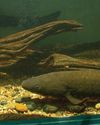
Did "Left-Handed" Fish Leave Water Earlier than Thought?
Fossil evidence suggests that fish (or \"fishapods\") dragged themselves onto land during the middle Devonian Period.
1 min
January / February 2026

Rock&Gem Magazine
"Lab Quakes” Produce Surprising Results
When faults let loose and earthquakes result, the main effect we mortals experience is the violent shaking.
1 min
January / February 2026
Rock&Gem Magazine
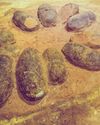
This Egg is No Spring Chicken
How to date a dino egg
1 min
January / February 2026
Rock&Gem Magazine
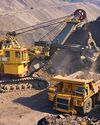
Have we Already Mined the Critical Minerals We Need
Then why are we throwing them away?!
1 min
January / February 2026
Rock&Gem Magazine
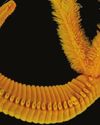
One Toxic Worm
A critter that creates & tolerates orpiment!
1 min
January / February 2026
Rock&Gem Magazine
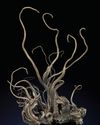
ROCK & GEM FIELD GUIDE: Silver
Silver (Ag) is a native element and one of Earth's most prized precious metals.
2 mins
January / February 2026
Rock&Gem Magazine
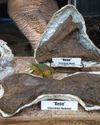
DINOSAURS OF THE HELL CREEK MUSEUM
In the Badlands of South Dakota, just outside the small town of Belle Fourche—pronounced “Bell Foosh”—a new attraction has taken shape that every dinosaur enthusiast should see. The Dinosaurs of the Hell Creek Museum is part hands-on exhibit, part science center and part active research lab.
3 mins
January / February 2026
Rock&Gem Magazine
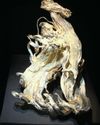
The Lost Twins of Kongsberg
A Silver Story Resurfaced
3 mins
January / February 2026
Rock&Gem Magazine
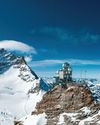
Switzerland's ICE PALACE
Walk Inside a Glacier at The Top of Europe
7 mins
January / February 2026
Listen
Translate
Change font size