
Vuélvete ilimitado con Magzter GOLD
Obtenga acceso ilimitado a más de 9000 revistas, periódicos e historias Premium por solo
Intentar ORO - Gratis
WE'RE BUGGING OUT
Prevention US
|July 2026
As the planet heats up, mosquitoes are carrying dangerous pathogens farther and farther north. Not gonna lie - it's scary. But there's lots you can do to lower your risk.
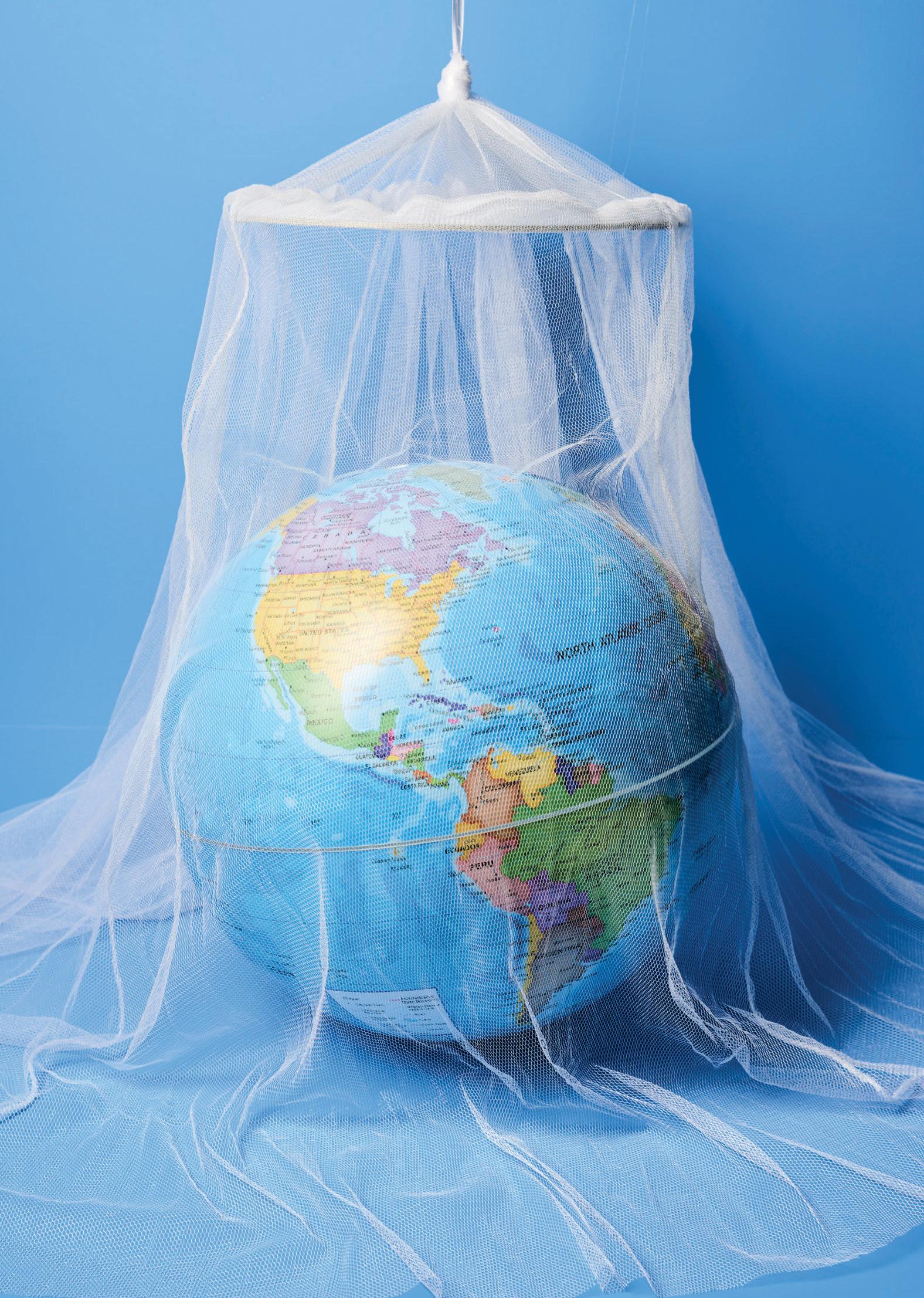
All day long you’ve been anticipating a peaceful walk in the park, but now that you’re outside—sun setting gloriously over the trees, a cacophony of bird chirps all around—you remember why you haven’t done this in a while: You are now dinner for a swarm of skeeters. Swatting and scratching, you racewalk back to your car.
Mosquitoes are an age-old nuisance; they go back more than 100 million years, having made their high-pitched buzzing sounds in the ears of dinosaurs. But now their bites may become more than an itchy ordeal, as climate change alters their habitats and behaviors in ways that make the transmission of disease-causing pathogens more likely.
Malaria, dengue, chikungunya—we think of these mosquito-borne illnesses as happening elsewhere. Malaria used to be a problem in the U.S., sickening many in the American South until it was controlled in the early 1950s. But now cases of malaria and those other illnesses are slowly increasing across the U.S. “Climate change is expanding the ranges where pathogen-carrying mosquitoes can exist in the country, and it’s lengthening mosquito season so there’s more opportunity to be bitten,” says Beth McGraw, Ph.D., who studies the issue as a professor of biology at Penn State University.
Ticks may get most of the headlines, but it’s mosquito species such as Aedes aegypti and Aedes albopictus that spread dengue (pronounced den-gay), chikungunya, Zika, and yellow fever. These insects are now thriving better than they had been in Southern states, and they’re moving northward as well. “We’re seeing these mosquitoes in new places, including the Northeast and the Midwest,” McGraw says. The mosquitoes that transmit West Nile virus are also expanding their range.

Esta historia es de la edición July 2026 de Prevention US.
Suscríbete a Magzter GOLD para acceder a miles de historias premium seleccionadas y a más de 9000 revistas y periódicos.
¿Ya eres suscriptor? Iniciar sesión
MÁS HISTORIAS DE Prevention US

Prevention US
WE'RE BUGGING OUT
As the planet heats up, mosquitoes are carrying dangerous pathogens farther and farther north. Not gonna lie - it's scary. But there's lots you can do to lower your risk.

8 mins
July 2026

Prevention US
side hustle
Some dishes play backup, and some steal the show. Try these flavorful, nutrition-packed recipes from Crave, Cook, Nourish by Steph Grasso, M.S., R.D.
5 mins
July 2026

Prevention US
Are Artificial Sweeteners Dangerous?
The FDA says no, but they still can't shake their bitter rep.
4 mins
July 2026

Prevention US
IT’S YOUR CALL
Ever find yourself in the supermarket, internally debating which of two nutritious options to pop into your cart? The choice is highly personal—the decision is in the details.
4 mins
July 2026

Prevention US
NEWS OR NOISE?
Turmeric tall tales, functional fungi, and the new vibrator women are using at the gym
5 mins
July 2026

Prevention US
YOUR GOOD-MORNING MEAL
ENJOY IT AND STAY FULL 'TIL LUNCH.
1 min
July 2026

Prevention US
Oh, Your Aching Feet!
Are your dogs barking? There are doctor-approved ways to ease the pain (and avoid more).
3 mins
July 2026

Prevention US
reclaim your strength
We start losing muscle in our 30s—up to 10% per decade—leaving us more vulnerable to injuries, falls, and loss of independence. Luckily, research shows that it’s never too late to regain strength. Even if you're in good shape, this mix of moves will help you get more of the strong stuff back.
4 mins
July 2026

Prevention US
PEEING MORE OFTEN
Prayer and sprinting to the restroom aren’t your only options.
1 mins
July 2026

Prevention US
IT'S TANK TOP TIME!
The best reason to build upper body strength is so you can easily schlep that packed-to-the-brim beach bag—but hearing compliments about your toned arms is a nice bonus.
1 min
July 2026
Listen
Translate
Change font size