
Vuélvete ilimitado con Magzter GOLD
Obtenga acceso ilimitado a más de 9000 revistas, periódicos e historias Premium por solo
Intentar ORO - Gratis
Pollinator-Plant Mismatches
Hobby Farms
|May - June 2023
As temperatures continue to warm and weather patterns keep shifting, some plants are blooming much sooner than they used to.

Certain insects are emerging off of their usual schedules, too. The result? Potentially significant disruptions to the life cycles of some of our most industrious pollinators and a decoupling of critical plant-and-pollinator relationships.
“The plants and the insects are responding to different phenological cues,” says Daniel Herms. Formerly a professor and department chair at The Ohio State University Department of Entomology, Herms presently works as vice president of research and development for the Davey Tree Expert Co. He has been monitoring phenological events — natural occurrences synchronized to the weather and the seasons — for nearly 40 years.
“[Plants and insects] respond to temperature differently,” Herms says. “They’re in different niches, and each niche is being affected differently by climate change.”
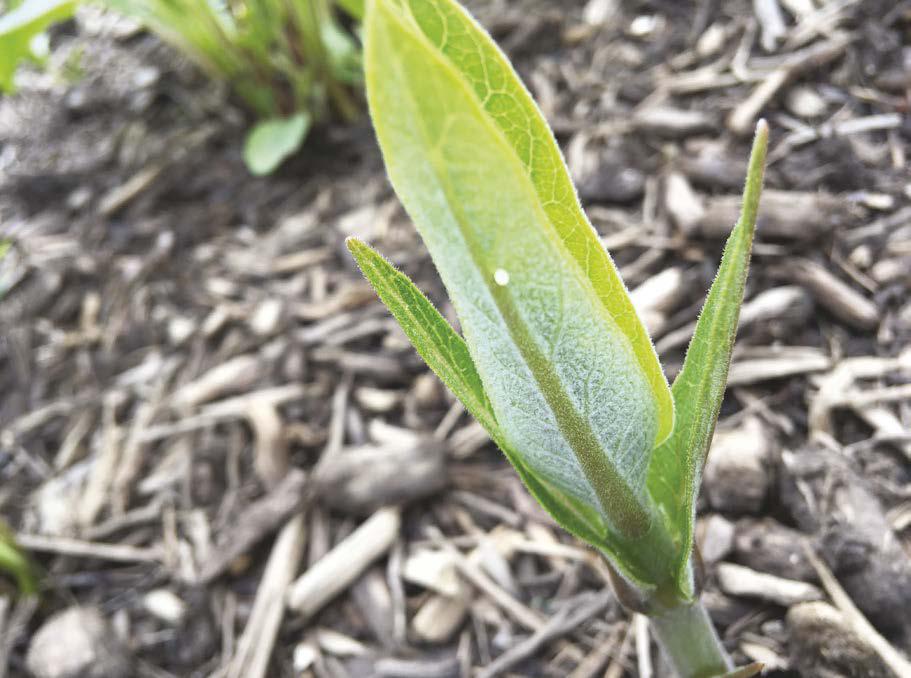
Generalists vs. Specialists
In part, that degree of impact depends on the relationships insects have with the plants on which they rely. For instance, moths and butterflies tend to be generalists when it comes to their nectar sources. This makes them less susceptible to missed windows of opportunity with specific flowering plants.
“If they’re mismatched with one nectar plant, well, then they just go over to a different nectar plant,” Herms says. (That said, though, they are much more limited in terms of the host plants on which they’ll lay their eggs.)


Esta historia es de la edición May - June 2023 de Hobby Farms.
Suscríbete a Magzter GOLD para acceder a miles de historias premium seleccionadas y a más de 9000 revistas y periódicos.
¿Ya eres suscriptor? Iniciar sesión
MÁS HISTORIAS DE Hobby Farms

Hobby Farms
NEW YEAR, NEW CROPS
As you make your garden plans for this season, consider these picks from growers across the country.

6 mins
January / February 2026

Hobby Farms
Garden-Scale Crop Rotation
You don't have to be a big-time farmer to benefit from rotating crops.
4 mins
January / February 2026

Hobby Farms
BELTED GALLOWAY CATTLE
The unique appearance of Belted Galloway cattle inspires many questions about their origins.
1 min
January / February 2026

Hobby Farms
Goat Parasites
Grazing on an overly soiled pasture can sometimes lead parasites in your goat herd.
3 mins
January / February 2026

Hobby Farms
Rediscover Ancient Grains
Explore these nutritious and adaptable grains, known by many cultures over thousands of years.
8 mins
January / February 2026

Hobby Farms
HIGHLAND CATTLE
Highland cattle are an old heritage breed known to have grazed the rugged Scottish landscape since the 6th century.
1 mins
January / February 2026
Hobby Farms
SAY CHEESE
KEEP 'EM COMING
1 min
January / February 2026

Hobby Farms
DIY Essential Oils
Steam-distill your own essential oils at home.
6 mins
January / February 2026

Hobby Farms
Kubota Goes Grand
Kubota Tractor Corp. has unveiled its latest innovation for small-scale farmers and landowners: the Grand L70 Series. Designed with residential and commercial users in mind, this series blends power, comfort and cutting-edge technology into one versatile machine. With three configurations available — premium, deluxe and cold weather — the Grand L70 Series is built to meet the diverse needs of today’s small farms and rural properties.
1 min
January / February 2026

Hobby Farms
Raising a Bottle Calf
Being raised on a dairy farm, I don't remember a time when I wasn't well-versed in the raising of bottle calves.
9 mins
January / February 2026
Translate
Change font size