Intentar ORO - Gratis
GARDEN-FRIENDLY Mushrooms
Hobby Farms
|May - June 2023
Produce more of what you eat, make the most of your garden space and try something new by raising mushrooms.

Mushrooms' requirements are relatively simple. They need the proper temperatures to carry out various stages of growth, which is achieved simply by planting them at the right time. Mushroom inoculation (planting) can be done from March to October (whenever there aren't regularly freezing temperatures); however, as they can struggle to thrive during the heat and dry of summer, they are best done in the spring or early autumn. Late autumn will not allow for proper establishment before winter dormancy.
Mushrooms need consistent moisture; this is imperative. If you can't maintain adequate moisture levels, any other work will simply have been wasted. Conveniently, mushrooms are shade tolerant. Though they don't require it (in fact, most mushrooms do like some environmental light), this tolerance means they can occupy spaces where solar-powered plant life will not grow, and shade will help to maintain the moisture and high-humidity levels they want. However, their mycelium (the initial and underground growth of the mushroom) can't be constantly wet, so they require adequate drainage.
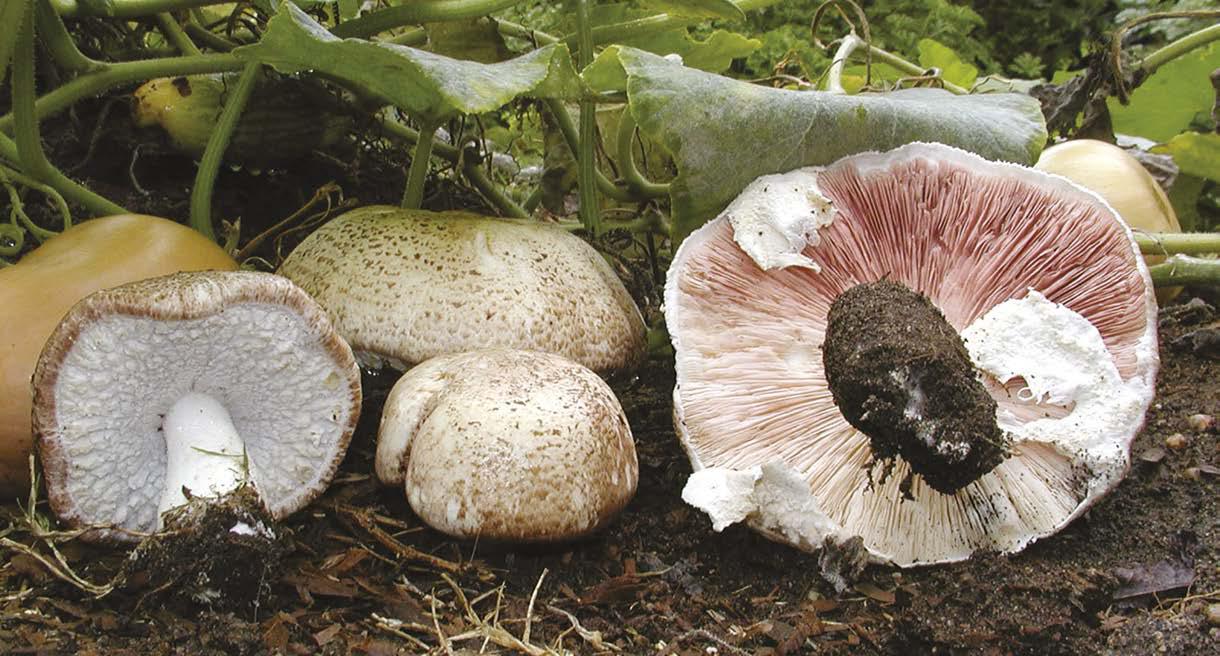
The substrate, or growing media, each mushroom species prefers is an important distinction amongst them and perhaps how their production differs most from garden plants and one another. They may require straw, compost or wood chips (properly aged and not from an aromatic softwood) to provide the nutrients they want.
Areas are prepared for inoculation by digging a bed and laying down the proper substrate, which is presoaked for a head start on maintaining adequate moisture levels. The inoculant or spawn is then spread. Or, alternatively, thinner layers of substrate-inoculant-substrate-inoculant are used.


Esta historia es de la edición May - June 2023 de Hobby Farms.
Suscríbete a Magzter GOLD para acceder a miles de historias premium seleccionadas y a más de 9000 revistas y periódicos.
¿Ya eres suscriptor? Iniciar sesión
MÁS HISTORIAS DE Hobby Farms
Hobby Farms
SHETLAND SHEEP
With their wide range of colors and fleece types, excellent meat, small size, resistance to disease and ability to take good care of themselves, Shetland sheep are an ideal breed for many small farms.

1 mins
July/August 2026
Hobby Farms
Got (Sheep) Milk?
Here’s a beginner’s guide to dairy sheep.
4 mins
July/August 2026
Hobby Farms
BABYDOLL SOUTHDOWN SHEEP
The North American Babydoll Southdown Sheep Association refers to this diminutive breed as “charming creatures” because of its dispositions and adorable appearance.
1 min
July/August 2026

Hobby Farms
WELL DONE
Happy Hollow Farm has adapted to farming in uncertain water years.
7 mins
July/August 2026
Hobby Farms
Pig Mites & Lice
Learn how to tell lice and mites apart for accurate diagnosis and treatment.
4 mins
July/August 2026

Hobby Farms
Rotational Grazing for All
Better forage, healthier soil and improved weight gain can make the planning worthwhile.
7 mins
July/August 2026

Hobby Farms
Beat the Heat
Easy DIY cooling systems you can set up on your hobby farm to keep your livestock cool and comfortable this summer.
7 mins
July/August 2026
Hobby Farms
HARLEQUIN SHEEP
This U.S.-developed miniature sheep breed is hardy and lambs easily, often having multiple lambs.
1 min
July/August 2026

Hobby Farms
Cherry Tomato Rainbow
Cherry tomatoes may be small, but they can be every bit as flavorful as the juiciest slicer you've ever grown.
6 mins
July/August 2026
Hobby Farms
Natural Selection
Try one of these herbal remedies for goats.
6 mins
July/August 2026
Translate
Change font size