
Vuélvete ilimitado con Magzter GOLD
Obtenga acceso ilimitado a más de 9000 revistas, periódicos e historias Premium por solo
Fantastic beasts: the history of bestiaries
The Field
|December 2025
Popular during the Middle Ages, bestiaries were richly illustrated compendia that used real and mythical creatures to teach profound Christian lessons
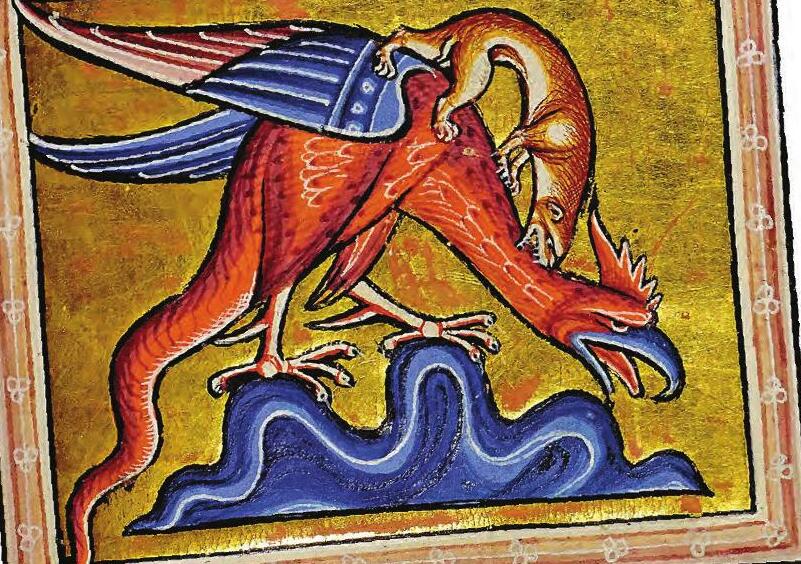
THE WHOLE world is full of different creatures,’ wrote the English theologian Thomas of Chobham in the 13th century. For Chobham, the extent and variety of natural history offered the wary observer valuable lessons in what best to imitate and what best to avoid: nature as a handbook for living.
Chobham's first readers would not have been surprised by this suggestion that the world around them contained moral and spiritual guidance: many were familiar with Aesop's Fables, the collection of well known animal stories illustrating aspects of human nature and offering lessons in best behaviour. Medieval theology glimpsed the hand of God in every aspect of existence. God had created pelicans, lions and whales, in each case with a clear purpose — a view enshrined in the Bible, with its injunctions, like that in the Book of Job, to look to nature for elucidation: ‘Ask now the beasts, and they shall teach thee; and the fowls of the air, and they shall teach thee: or speak to the earth, and it shall teach thee: and the fishes of the sea shall declare unto thee.’
Popular during the Middle Ages were illustrated compendia devoted to the natural world, known as bestiaries.
Mostly produced between the late-12th and mid-13th centuries, bestiaries embodied a belief in God's all-controlling design for both humankind and the wider world. Writers and illustrators made clear the links between God and nature. The Aberdeen Bestiary, for example, features a full-page creation scene in which God summons to life a diminutive elephant and a nut-eating squirrel. Another image depicts Adam naming a host of animals (among them horses, deer and a fork-tailed lion) that the bestiary writer subsequently describes, starting with the lion — the king of the beasts. In the creation scene in The Northumberland Bestiary, God creates birds, including an owl and a swan, before turning his attention to everything from a snail to a camel.

Esta historia es de la edición December 2025 de The Field.
Suscríbete a Magzter GOLD para acceder a miles de historias premium seleccionadas y a más de 9000 revistas y periódicos.
¿Ya eres suscriptor? Iniciar sesión
MÁS HISTORIAS DE The Field

The Field
The Holland & Holland Edition by Overfinch
This exquisitely detailed bespoke Range Rover is built for the field and showcases the best in fine British craftsmanship

3 mins
January 2026

The Field
Digging into terrier breeds
From the Jack Russell to the Australian to the Czesky, every one of the 27 recognised terrier types is either native British or has British ancestry
3 mins
January 2026

The Field
100 O years of The Browning B25 Superposed
Often imitated but rarely bettered, Browning's B25 Superposed is among the most influential and enduring shotgun designs in gunmaking history
8 mins
January 2026
The Field
A princely pair
Probably built for the Prince of Lobkowicz and dating to 1727, these handsome flintlocks boast both Spanish and Austrian influence
3 mins
January 2026
The Field
Adventure in a bottle
From lively, zingy Sauvignon Blanc to cassis-laden Cabernet Sauvignon, Chilean wine opens the door to a world of incredible value and diversity
3 mins
January 2026

The Field
Patrick Grant
The Great British Sewing Bee judge, former Savile Row tailor and founder of Community Clothing talks to Amanda Morison about nature, scything and sustainable fashion
4 mins
January 2026
The Field
The ultimate winter warmer
An exhilarating day following the Ross Harriers across picture-perfect Herefordshire countryside proves an ideal way to banish the January blues
7 mins
January 2026
The Field
An impact that can only grow
As a landmark report reveals the impressive environmental, social, economic and health benefits of gardening, Ursula Buchan hopes policymakers are taking note
3 mins
January 2026
The Field
'Karamojo Bell'
The last of his kind, elephant hunter Captain Walter Dalrymple Maitland Bell left an indelible mark on African hunting history, says Sir Johnny Scott
4 mins
January 2026

The Field
Deer manager shortage fears
Plans to make deerstalking training mandatory in Scotland risk leaving the country short of deer managers, rural groups have warned.
1 min
January 2026
Listen
Translate
Change font size