Intentar ORO - Gratis
Connected Home Control
Circuit Cellar
|February 2026
Matter: The New Foundation of the Connected Home
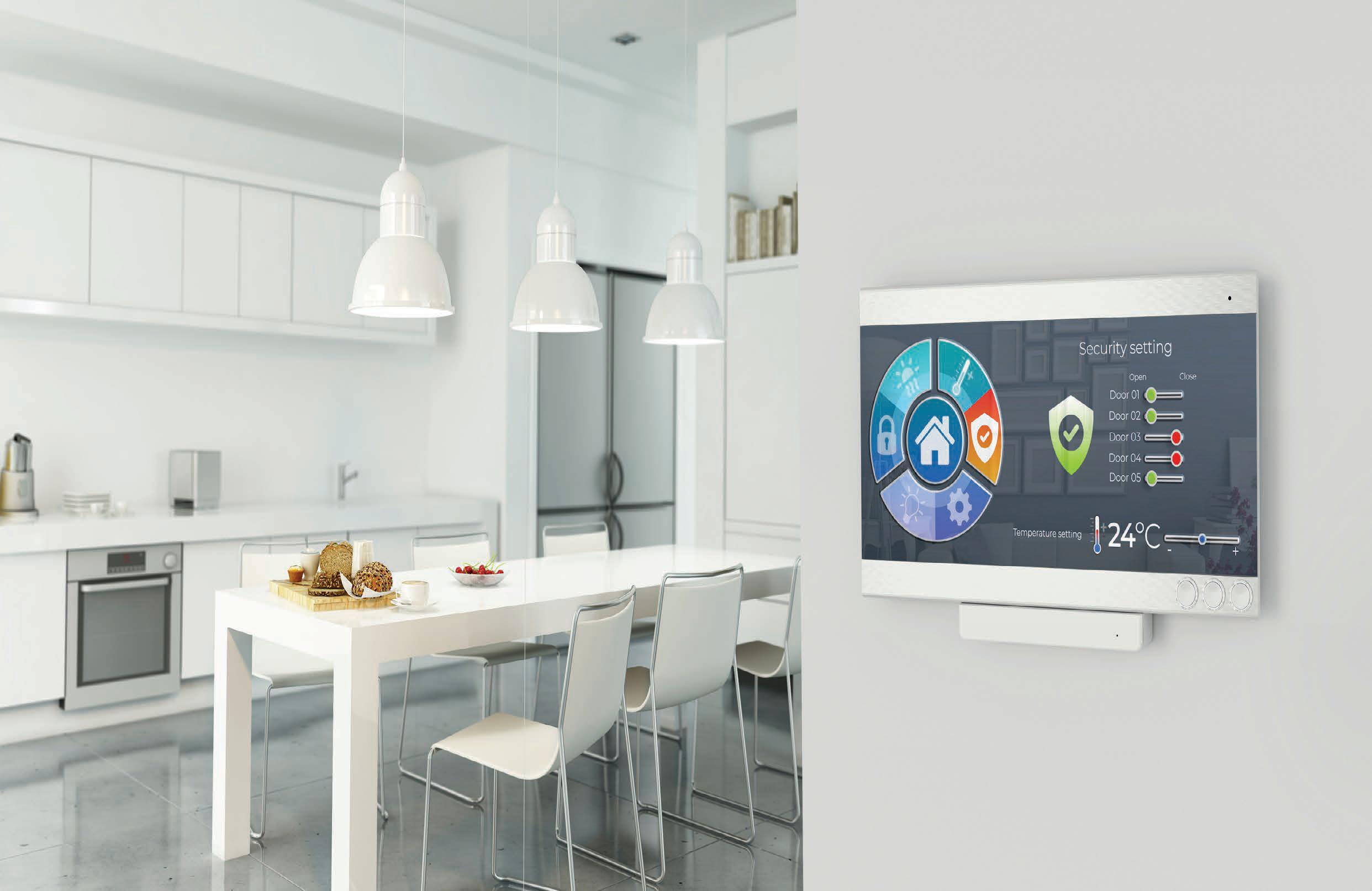
Learn more about Matter, a unifying language that defines how devices identify themselves, expose capabilities, authenticate and communicate commands and state changes, and discover how it transforms your smart home into a cohesive, adaptive enviroment.
One of many IoT designers great dreams has been a straightforward technology to turn a collection of controlled devices into a controlled home.
One of the tools that has promised to deliver on this dream is Matter. Matter is an open-source, IP-based standard designed to make smart home devices from different manufacturers work together seamlessly. Launched in 2022 by the Connectivity Standards Alliance (CSA), it’s supported by tech giants including Amazon, Apple, and Google, aiming to simplify setup and control through a single app or voice assistant.
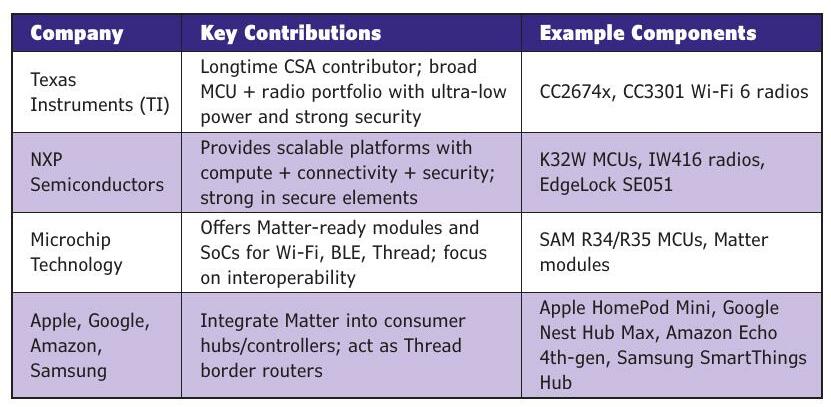
Matter originated in December 2019 as the Project Connected Home over IP (CHIP) working group, founded by Amazon, Apple, Google, and the Zigbee Alliance. Subsequent members, including IKEA, Huawei, and Schneider, have joined what is now called the Connectivity Standards Alliance (CSA). Some of the companies involved, along with their contributions and products supporting Matter, are shown in Table 1.
 Version 1.0 of the Matter specification was published on October 4, 2022. Matter’s arrival represented an important point because it is built on open standards, governed by a broad consortium, and engineered to be secure, resilient, and future-proof. Unlike earlier attempts at unification, Matter is not tied to a single company's ecosystem or cloud. Instead, it is designed to run locally, support multiple radio technologies, and provide a consistent device model that all platforms can understand. This shift from proprietary silos to shared infrastructure is reshaping the expectations of manufacturers and consumers alike.

Esta historia es de la edición February 2026 de Circuit Cellar.
Suscríbete a Magzter GOLD para acceder a miles de historias premium seleccionadas y a más de 9000 revistas y periódicos.
¿Ya eres suscriptor? Iniciar sesión
MÁS HISTORIAS DE Circuit Cellar

Circuit Cellar
Inside the Tech: E-Bikes Explained
The Future of Product Developement Nature

5 mins
March 2026
Circuit Cellar
Mesh for Embedded Control
Mesh Networks Are Rewiring Embedded Systems
11 mins
March 2026

Circuit Cellar
A System That Detects, Tracks, and Deters Deer
Using Computer Vision, an Arduino, and a Raspberry Pi 5
14 mins
March 2026

Circuit Cellar
Analog Meets Digital
Part 4: Eliminating Mains Interference with an ADC
19 mins
March 2026

Circuit Cellar
Datasheet: Linux-Based SBCs
SBCs Running Linux Bring Enterprise Power to the Network's Edge
8 mins
March 2026
Circuit Cellar
Running Model Trains Without Human Input
A Raspberry Pi Pico Controls Two Trains
9 mins
March 2026

Circuit Cellar
Connector Requirements for High-Voltage Healthcare Applications
Simplifying Safety and Security
9 mins
March 2026
Circuit Cellar
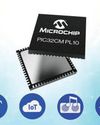
PIC32CM PL10 MCUs Expand Microchip's ARM Cortex-MO+ Portfolio
Building on decades of experience, Microchip Technology has added PIC32CM PL10 MCUs to its PIC32C family of ARM Cortex-M0+ core devices. PL10 MCUs feature a rich set of Core Independent Peripherals (CIPs), 5V operation, touch capabilities, integrated toolsets and safety compliance.
1 mins
March 2026

Circuit Cellar
From Buffer Overflows to Control Flow Attacks
This article extends the January 2026 article by showing a buffer overflow attack that changes a return value. I also discuss the use of the GCC stack protection feature, and demonstrate that it's not always a bulletproof protection method, even if it is better than doing nothing.
7 mins
March 2026
Circuit Cellar
Another Matter-Enabled MCU: the ESP32-C6
The list of MCUs that support the Matter protocol continues to get longer. In this column, Brian goes in-depth on one of the newer Matter-enabled MCUs and shows just how it compares to some of the alternatives now on the market.
21 mins
March 2026
Listen
Translate
Change font size