
Vuélvete ilimitado con Magzter GOLD
Obtenga acceso ilimitado a más de 9000 revistas, periódicos e historias Premium por solo
Intentar ORO - Gratis
"There was a general perception that Queen Victoria's mourning was neither normal nor acceptable”
BBC History UK
|March 2024
JUDITH FLANDERS talks to Rebecca Franks about her new book, which delves into the customs surrounding dying, death and mourning in Victorian Britain

Rebecca Franks: How different was the Victorian view of death to our modern conception of it?
Judith Flanders: The main difference was that death was part of daily life. It wasn't neatly tucked away in hospitals where you could go in and visit someone for an hour but didn't see anyone die. Today, many people now go happily through their whole lives without ever seeing a dead person, which was simply not possible in the 19th century. Hospitals were very limited in the kinds of diseases and illnesses they cared for, and they were a place of last resort for people who were too poor or desperate to be cared for at home. Infant death was vastly more common than it is today, though that was also simply due to the vagaries of population. There were more young people than there were old people, and infant death therefore accounted for a much larger percentage of death than death in old age.
How did the level of infant mortality impact society?
For many years there was a theory among historians that because children died so frequently and so young, their parents didn't care about them - it wasn't worth investing emotion into small lives that might soon be lost. However, if you read the scraps of evidence we have regarding the working classes and their responses to children's deaths, this simply isn't true. For instance, we see parents naming their newborns after older siblings who had died. This was previously interpreted as proof of not caring, but it seems to me so obvious that for the most impoverished in society - particularly in the early part of the 19th century, when permanent gravestones were not common - this was the only way that they could memorialise their lost children. Because people do love their babies. We don't have to be terribly smart to know that.
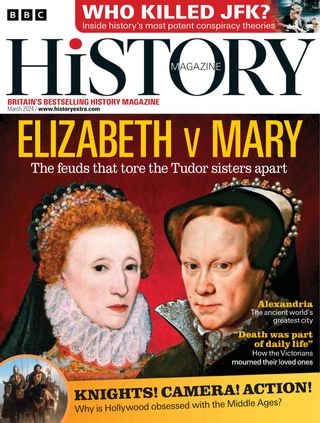

Esta historia es de la edición March 2024 de BBC History UK.
Suscríbete a Magzter GOLD para acceder a miles de historias premium seleccionadas y a más de 9000 revistas y periódicos.
¿Ya eres suscriptor? Iniciar sesión
MÁS HISTORIAS DE BBC History UK

History Extra
Personal stories
Few shows have enjoyed the longevity of Who Do You Think You Are? and it's easy to understand why it has endured.

1 min
June 2026

History Extra
Tidal change
Southern mythos notwithstanding, there exists no static, exceptional American South.
1 mins
June 2026

History Extra
Marriage story
Emily Howes on her novel about Catherine Dickens' relationship with her famous husband
1 mins
June 2026
History Extra
Sexual her-story
A witty, wide-ranging account of the myths and power structures behind female sexuality impresses SARAH JONES
2 mins
June 2026

History Extra
History man
According to Tom Hanks, during his childhood 'The War' was a recurring topic in the conversations of the adults around him.
1 min
June 2026
History Extra
How to be a master of disguise
10 do's and don'ts when attending a masquerade
2 mins
June 2026

History Extra
Age of indulgence
Our content producer Charlotte Vosper picks episodes of the HistoryExtra podcast about Georgian Britain
1 min
June 2026

History Extra
Gaffer tape
While Bobby Robson and Gareth Southgate both led England to World Cup semi-finals, Alf Ramsey remains the only manager to actually win the trophy.
1 mins
June 2026

History Extra
What's the origin of the Fosbury Flop?
Like the Salchow in ice skating, the Fosbury Flop is a sport technique that immortalises the name of its creator.
1 min
June 2026

History Extra
EXHIBITIONS
In 1776, the United States of America was born - heralded by the Declaration of Independence.
1 min
June 2026
Listen
Translate
Change font size