
Vuélvete ilimitado con Magzter GOLD
Obtenga acceso ilimitado a más de 9000 revistas, periódicos e historias Premium por solo
Intentar ORO - Gratis
THE HAGUE ON TRIAL
The New Yorker
|October 13, 2025
Political intrigue—and a lurid scandal—rocks the International Criminal Court.
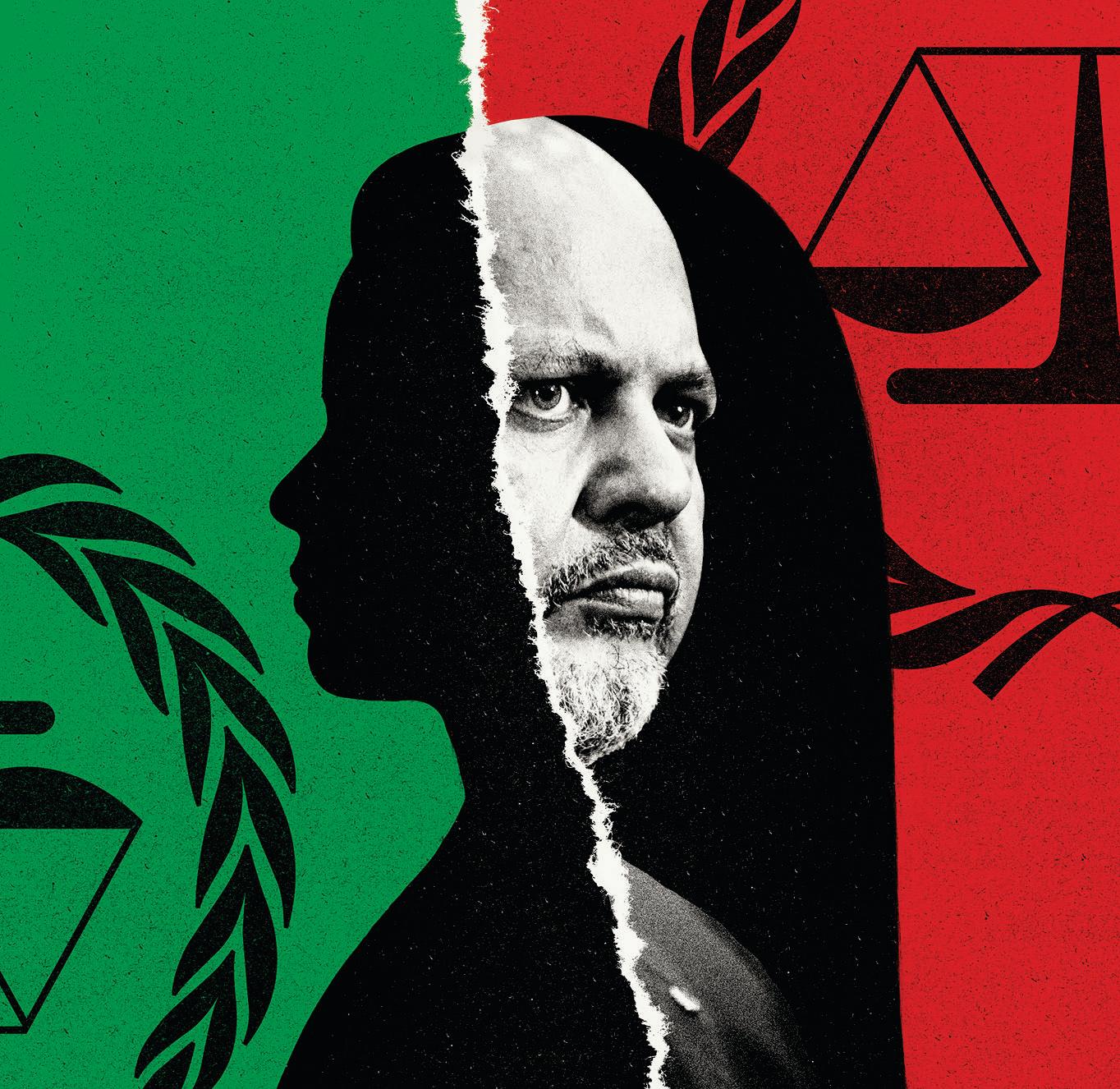
The International Criminal Court, established in 2002, in the aftermath of the carnage in Rwanda and the Balkans, was designed to hold accountable future perpetrators of war crimes or crimes against humanity. It got off to a slow start: during the court’s first two decades in operation, it issued fewer than forty public arrest warrants. Most targeted African strongmen or warlords; the court almost never took on the major international powers or their closest allies, and critics complained that it effectively punished the weak while sparing the strong. (A hundred and twenty-five states are party to a treaty recognizing the court, but the United States, Russia, China, and Israel aren’t among them.) The court is governed by an assembly of the participating states, and in 2021 it elected a new chief prosecutor, Karim Khan. A fifty-five-year-old British-born lawyer whose father emigrated from Pakistan, he had previously served as an Assistant Secretary-General of the United Nations, where he’d overseen a team investigating abuses committed by ISIS. Khan vowed to reënergize the I.C.C. by upholding its promise of equal justice for all.
Khan boasted to colleagues that, in his first three years on the job, he had obtained more than forty new warrants, some not yet public. Among the public warrants were orders for the arrest of Vladimir Putin and top Russian military leaders, for war crimes in Ukraine; the leaders of Hamas, for its murderous attack on Israel on October 7, 2023; and the Israeli Prime Minister, Benjamin Netanyahu, and a former Defense Minister, Yoav Gallant, for the willful killing of civilians in Gaza, and for employing the denial of food as a weapon of war.

Esta historia es de la edición October 13, 2025 de The New Yorker.
Suscríbete a Magzter GOLD para acceder a miles de historias premium seleccionadas y a más de 9000 revistas y periódicos.
¿Ya eres suscriptor? Iniciar sesión
MÁS HISTORIAS DE The New Yorker

The New Yorker
A WOMAN SCORNED
Mary Todd Lincoln has long been derided. Is her reputation salvageable?

14 mins
May 25, 2026

The New Yorker
REALISTIC HIGH-SCHOOL YEARBOOK INSCRIPTIONS
Abby! I can't believe we did it! Four years went by like that! Will you promise to keep in touch?! Let’s see each other once or twice this summer and then not again for about fifteen years, when we're both staying at a serviceable two-star resort that’s just fine with allowing small children fighting a horrible stomach bug to play in the pool. —Missy
3 mins
May 25, 2026

The New Yorker
MAJORITY RULES
Can Hakeem Jeffries lead a Democratic takeover of the House?
30 mins
May 25, 2026

The New Yorker
SPIRITED AWAY
The age of “intentional” drinking.
7 mins
May 25, 2026

The New Yorker
ROBOT LIT
The prehistory of A.I. slop.
14 mins
May 25, 2026

The New Yorker
CRISIS MODE
At a German festival, Chaya Czernowin gives voice to a wounded world.
5 mins
May 25, 2026

The New Yorker
GETTING LOST
Rostam Batmanglij wanders to the edges of American sound.
5 mins
May 25, 2026

The New Yorker
THE DREAMDRIVE
The night it began, he'd had an unremarkable meal of chicken and rice.
17 mins
May 25, 2026

The New Yorker
MARX BROTHER
Boots Riley's zany movies combine pop aesthetics with radical politics.
33 mins
May 25, 2026

The New Yorker
GUESSING GAME
The mystery and mass appeal of the N.F.L. draft.
22 mins
May 25, 2026
Listen
Translate
Change font size