
Vuélvete ilimitado con Magzter GOLD
Obtenga acceso ilimitado a más de 9000 revistas, periódicos e historias Premium por solo
Intentar ORO - Gratis
PLAYING FOR THEIR LIVES BIRKENAU'S WOMEN'S ORCHESTRA
History of War
|Issue 146
Historian Anne Sebba reveals how dozens of female Jews and political prisoners were forced to perform for the Nazis, and their fellow inmates, in the shadow of a genocide
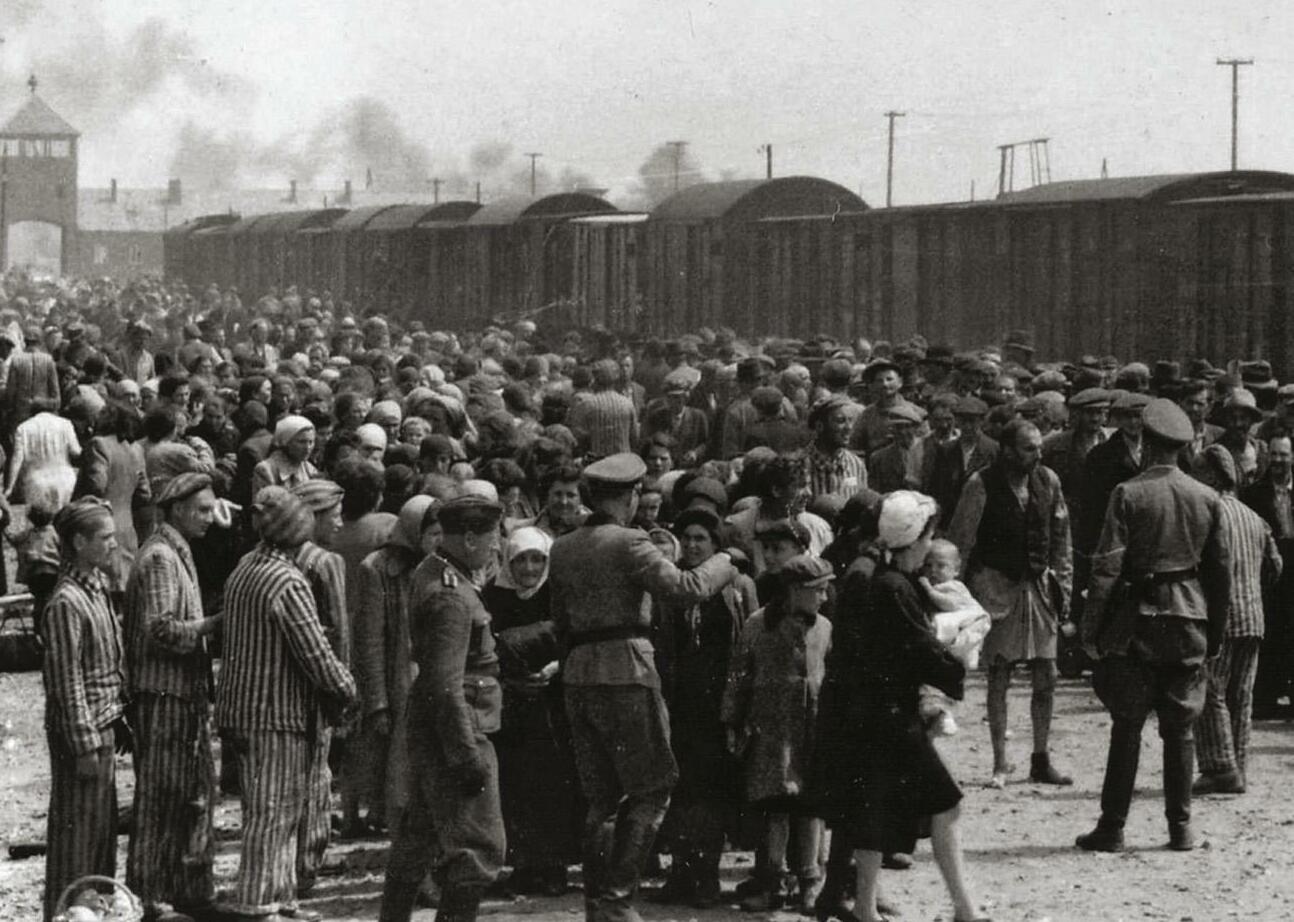
In 1943, the SS officers of Birkenau ordered the formation of a women's orchestra. By playing marching music, the orchestra would help the forced labourers to form up each morning and evening for counting. They later gave weekly performances for Nazi officers, who would also summon individuals for solo performances.
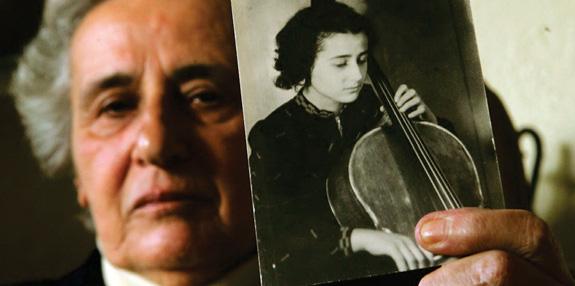
After a rocky start under the first conductor, the talented conductor and violinist Alma Rosé stepped in. She brought together her mismatched band of mandolins, violins, piccolos, flutes and minimal bass instruments - whatever could be salvaged from the inmates' stolen belongings stored in the 'Kanada' warehouses - to create music that would save the members' lives.
Here, History of War speaks with Anne Sebba about her book The Women's Orchestra of Auschwitz, which draws on archival research and exclusive accounts to reveal the orchestra's full story. Describing the book's aim, Sebba says: "I want [the orchestra members'] names, faces and backstories to be remembered." In her interview, Sebba discusses how the orchestra developed under Rosé, performed despite the never-ending carnage, and forever changed its members’ relationship with music.
Why did an orchestra emerge from Birkenau Women’s Camp?
The first female inhabitants of Birkenau Women’s Camp were Polish resisters and then Slovaks. Because they were there early, you might assume they wouldn't survive the war. However, many organised decent jobs in offices because they were well-educated. The Nazis, especially the female guards, were overwhelmed by the sudden influx into Birkenau before it was finished. That’s why so many women had to go off in demolition squads while the Nazis were expanding the camp.


Esta historia es de la edición Issue 146 de History of War.
Suscríbete a Magzter GOLD para acceder a miles de historias premium seleccionadas y a más de 9000 revistas y periódicos.
¿Ya eres suscriptor? Iniciar sesión
MÁS HISTORIAS DE History of War
History of War
HOW TO BUILD A SPITFIRE
AN ABSORBING TALE OF ONE MAN'S OBSESSION TO BUILD A FULL-SIZE REPLICA SPITFIRE IN HIS GARDEN JUXTAPOSED AGAINST REAL STORIES OF BUILDING SPITFIRES AND THE MEN WHO FLEW THEM

2 mins
Issue 154

History of War
THE AIRLIFT
VICTORIES, MYTHS, AND THE BERLIN BLOCKADE
3 mins
Issue 154

History of War
WITH SPANNERS DESCENDING
Discover the essential role of British Army engineers during Second World War airborne operations
1 min
Issue 154
History of War
HOMEMADE EOKA FLAG
Breaking a ban enforced during the Cyprus Emergency, this flag compared the Cypriot fight against the British Empire to the Greek War of Independence against the Ottoman Empire
1 mins
Issue 154

History of War
SPIES, LIES AND DECEPTION
Introduce your children to over a century of spying as the Imperial War Museum's exhibition on espionage comes to Manchester
1 mins
Issue 154
History of War
DESERT DAREDEVIL
Scientist, explorer and a pioneer of special forces warfare – Ralph Bagnold was responsible for creating a crack unit during WWII
9 mins
Issue 154
History of War
OBJECTS IN FOCUS: VE/VJ DAY
The Royal Armouries Museum's new display commemorates the individuals and weapons who fought in the Pacific during WWII's final months
1 min
Issue 154
History of War
1945 - THE RECKONING WAR, EMPIRE AND THE STRUGGLE FOR A NEW WORLD
THIS EXAMINATION OF WHAT THE END OF WWII MEANT FOR THE BRITISH, DUTCH AND FRENCH EMPIRES POSES SOME UNCOMFORTABLE QUESTIONS
2 mins
Issue 154
History of War
POINTE DU HOC
During D-Day's toughest mission, US Rangers stormed an artillery position between Omaha and Utah beaches, before holding out against two nights of counterattacks
10 mins
Issue 154

History of War
WOLFPACK- INSIDE HITLER'S U-BOAT WAR
GET A TASTE OF THE FEAR, TENSION AND 'DEATH OR GLORY' LIFE OF GERMANY'S SUBMARINE CREWS
1 min
Issue 154
Listen
Translate
Change font size