
Vuélvete ilimitado con Magzter GOLD
Obtenga acceso ilimitado a más de 9000 revistas, periódicos e historias Premium por solo
Setting Sail for Valhalla
Archaeology
|July/August 2025
Vikings staged elaborate spectacles to usher their rulers into the afterlife
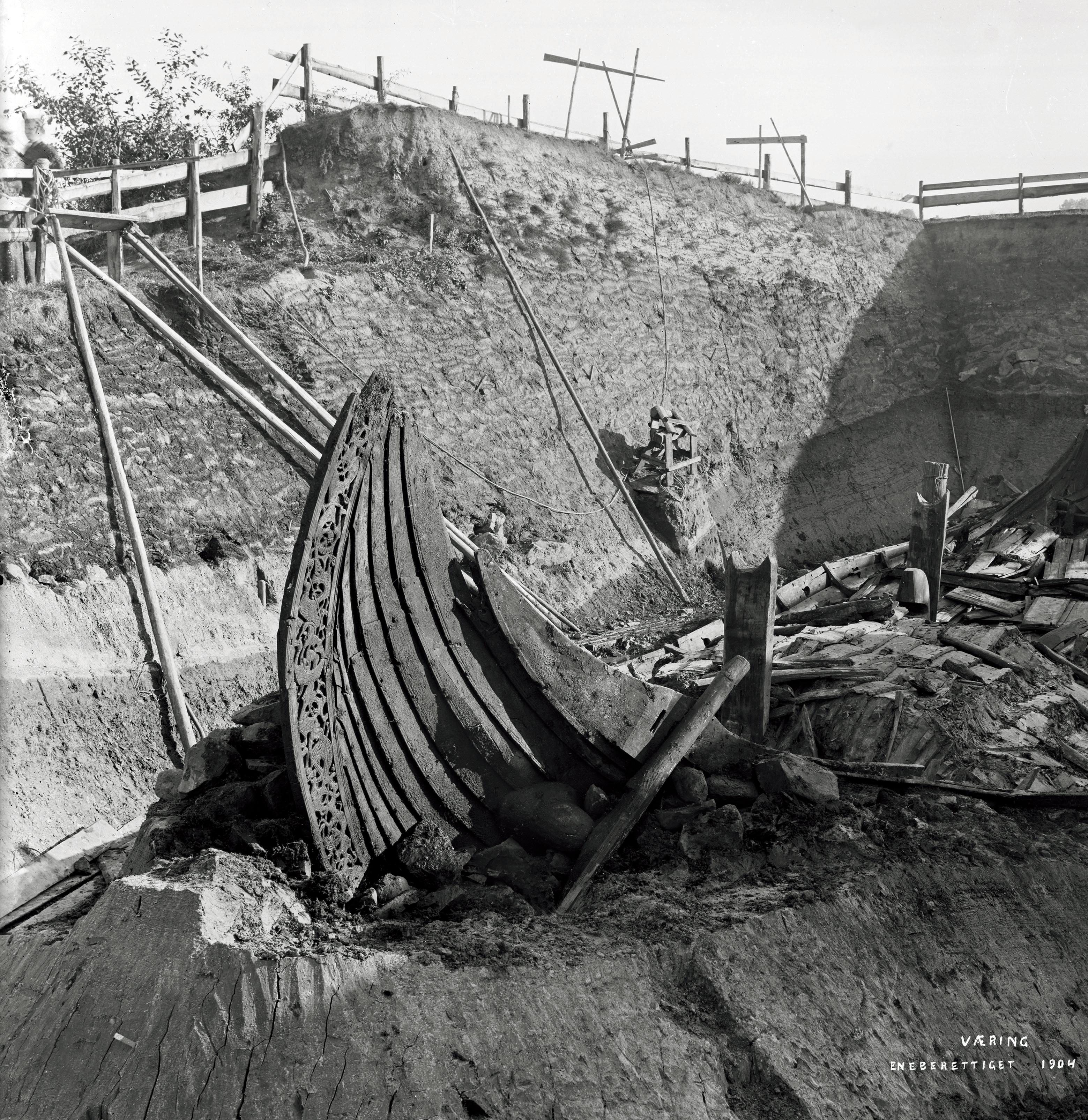
A 1904 photograph shows the excavation of a Viking ship burial in Oseberg, Norway. The 71-foot-long vessel dating to A.D. 834 contained the remains of two women and an abundance of extraordinary grave goods. A 22-inch-long carved head made of maple wood depicting a dragon (left) is one of four such heads found in the ship's burial chamber. Their purpose is unknown.
And so it proved, for within that time the ship and the pyre, the girl, and the corpse had all become ashes and then dust. On the spot where the ship stood after having been hauled ashore, they built something like a round mound. In the middle of it they raised a large post of birch-wood on which they wrote the names of the dead man and of the king of the Rus, and then the crowd dispersed.
The Risala, Ahmad Ibn Fadlan
FIRST-HAND ACCOUNTS OF ancient funerary rituals are exceedingly rare, leaving researchers to piece details together from archaeological evidence and ethnographic studies. One exception is found in The Risala, a report written by an emissary from the caliph of Baghdad named Ahmad Ibn Fadlan that includes an eyewitness account of the funeral of a Viking chieftain. In A.D. 921, Ibn Fadlan traveled deep into the Khaganate of the Bulgars on the banks of the Volga River in what is today Russia. His detailed account of the preparations and the ceremony he saw there is both vivid and chilling. Ibn Fadlan describes 10 days of rituals following the chieftain's death, including animal and human sacrifice, sexual violence, and drunken revelry. These rituals, he writes, culminated in the burning of a ship hauled up from the river along with its honored passenger—the dead chieftain—and an enslaved woman sacrificed during the ceremony.

Esta historia es de la edición July/August 2025 de Archaeology.
Suscríbete a Magzter GOLD para acceder a miles de historias premium seleccionadas y a más de 9000 revistas y periódicos.
¿Ya eres suscriptor? Iniciar sesión
MÁS HISTORIAS DE Archaeology
Archaeology
THE EGYPTIAN SEQUENCE
Until now, the earliest Egyptians to have even part of their DNA sequenced were three people who lived between 787 and 544 B.C.

1 mins
November/December 2025
Archaeology
SOURCE MATERIAL
As early as 40,000 years ago, some hunter-gatherers in southern Africa ventured long distances to procure special types of stone to make their tools.
1 min
November/December 2025

Archaeology
Secrets of the Seven Wonders
How archaeologists are rediscovering the ancient world's most marvelous monuments
13 mins
November/December 2025
Archaeology
ACTS OF FAITH
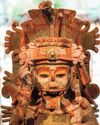
Evidence emerges of the day in 1562 when an infamous Spanish cleric tried to destroy Maya religion
12 mins
November/December 2025

Archaeology
OASIS MAKERS OF ARABIA
Researchers are just beginning to understand how people thrived in the desert of Oman some 5,000 years ago
8 mins
November/December 2025

Archaeology
FOSSIL FORCE
One of the planet's most successful arthropods, trilobites, abounded in the oceans from about 520 million to 250 million years ago.
1 min
November/December 2025
Archaeology
BIGHORN MEDICINE WHEEL, WYOMING
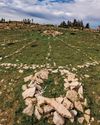
Perched almost 9,700 feet above sea level on Medicine Mountain in Wyoming's Bighorn Range, the Medicine Wheel is an 80-foot-diameter circular structure made from limestone boulders.
2 mins
November/December 2025
Archaeology
ANCIENT LOOK BOOK
A young woman buried in China's Tarim Basin some 2,000 years ago went to the afterlife accompanied by the height of fashion.
1 mins
November/December 2025
Archaeology
A FAMILIAR FACE
In the early eleventh century, a landslide on the island of Ostrów Lednicki in western Poland caused a hillfort to collapse and slip to the bottom of Lake Lednica.
1 min
November/December 2025
Archaeology
Temples to Tradition
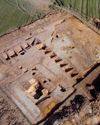
A looted cache of bronzes compels archaeologists to explore Celtic sanctuaries across Burgundy
13 mins
November/December 2025
Listen
Translate
Change font size