Intentar ORO - Gratis
Closed-Loop Recycling: From Trash To Treasure
Textile Value Chain
|July 2025
The fashion industry, celebrated for its creativity and perpetual transformation, significantly contributes to global waste and pollution.
Introduction
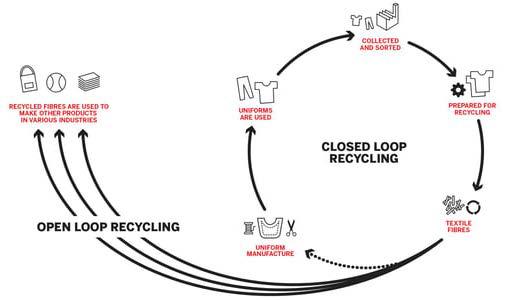
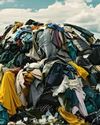
The growth of fast fashion has resulted in millions of tons of textiles being thrown away annually, ultimately landing in landfills or incinerators. This situation has created an urgent demand for sustainable solutions, among which closed-loop recycling stands out as a promising innovation—a system intended to maintain materials in continuous circulation, thereby minimising waste and environmental damage.
Closed-loop recycling offers an alternative to the traditional “take-make-dispose” model by ensuring that textile waste is recovered, processed, and transformed into new garments. This approach conserves valuable resources and significantly reduces the fashion industry's carbon footprint. This article will explore the concept of closed-loop recycling, its benefits, challenges, and the brands leading the way toward a more sustainable future.
Understanding Closed-Loop Recycling
The Linear vs. Circular Fashion Economy
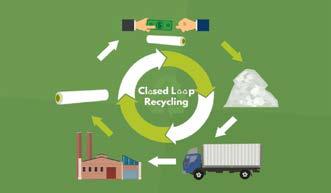
Traditionally, the fashion industry follows a linear economy—a system where clothes are manufactured, used for a short period, and then discarded. This cycle contributes to enormous textile waste and excessive resource consumption. In contrast, closed-loop recycling follows a circular model, ensuring that textiles are continually reused, either by breaking them down into raw materials for new fabrics or repurposing them into new clothing items.
 How Does It Work?
The closed-loop recycling process involves several key steps:
1. Collection of Used Garments
a. Consumers return old or unwanted clothes through brand take-back programs, donation centres, or textile recycling bins.
2. Sorting and Fibre Identification

Esta historia es de la edición July 2025 de Textile Value Chain.
Suscríbete a Magzter GOLD para acceder a miles de historias premium seleccionadas y a más de 9000 revistas y periódicos.
¿Ya eres suscriptor? Iniciar sesión
MÁS HISTORIAS DE Textile Value Chain

Textile Value Chain
The New Age of Men's Tailoring: From Bespoke to Hybrid Models
Part 1 of the Series: The Evolving World of Men's Tailored Wear

4 mins
January 2026

Textile Value Chain
The Textile Landscape of 2025: A Year of Transformation
Navigating Policy Reforms, Trade Agreements, and Global Events
5 mins
January 2026

Textile Value Chain
Recycled Fibres vs Virgin Fibres: The Real Cost, Footprint & Business Opportunity
For decades, the textile industry asked only one question when choosing raw material:
3 mins
January 2026

Textile Value Chain
2025 in Perspective: A Stronger, Cleaner, Smarter Future for Textiles
The year 2025 reminded the textile and apparel sector that resilience now matters more than pace.
5 mins
January 2026
Textile Value Chain
Heimtextil as a Working lab for Sutlej and its Customers
When the global home textiles industry gathers in Frankfurt this January, Sutlej Textiles is approaching Heimtextil with a clear intent: to treat the fair less as a product parade and more as a live development lab with its buyers and partners.
4 mins
January 2026

Textile Value Chain
Weaving Heritage into Future: A Conversation with Ms Roop Rashi Mahapatra
In an era where fast fashion dominates the global textile landscape, Khadi stands as a timeless symbol of India's heritage, sustainability, and self-reliance.
11 mins
January 2026

Textile Value Chain
Home Textiles: Ever-growing Market to Evergreen Product Source
Indian Home textiles have always enjoyed a special market position, and demand continues to increase, capturing a premium to the budgeted market across different markets, but with one constant hunger for extraordinary design, a super comfortable feel, and the appeal of sophistication, along with changing market dynamics.
4 mins
January 2026

Textile Value Chain
The Velvet Revolution: How This Timeless Fabric is Redefining Modern Textiles
When you run your hand across velvet, something happens.
3 mins
January 2026

Textile Value Chain
SPGPrints Achieves Landmark Success at ITMA ASIA 2025 With Transformative Textile Printing Technology and Key Order Closures
SPGPrints, the global leader in innovative textile printing solutions, announced an overwhelmingly successful participation in ITMA ASIA 2025 at the Singapore Expo.
2 mins
January 2026
Textile Value Chain
Development of Home Textile Products from Post-Consumer Textile Waste
With the growing concern over textile waste and its environmental impact, sustainable approaches for fabric reuse are urgently needed.
5 mins
January 2026
Listen
Translate
Change font size