
Vuélvete ilimitado con Magzter GOLD
Obtenga acceso ilimitado a más de 9000 revistas, periódicos e historias Premium por solo
Intentar ORO - Gratis
High protein to drive Poultry sector growth
AgroSpectrum
|AgroSpectrum India 2025
Urbanisation, increased wages, and consumer preferences for high-protein diets are all predicted to contribute to the 9 per cent growth in the Indian poultry industry in 2025. A rapidly growing sector of the Indian agricultural economy, the poultry industry provides the nation with affordable, high-quality protein.
-

The global poultry market is expected to surpass $420 billion by 2025, with India contributing nearly 6 per cent. The growth is driven by increasing per capita meat and egg consumption, urbanisation, and a growing middle class.
In India's varied food consumption pattern, chicken and eggs have become important staples assisting in closing nutritional disparities in both rural and urban populations. In addition to reflecting shifting dietary habits, this increase in poultry consumption also reflects the economic and social forces that have shaped contemporary India.
Owing to their high protein content, eggs and chicken have become staples in everyday diets in rural India. High-quality protein sources are in high demand as a result of the middle class's ascent and growing health consciousness. Owing to its lean protein advantages and versatility, chicken in particular has emerged as a popular option among urban consumers. Precooked and ready-to-eat chicken items are becoming more and more popular in the urban market, which further shows a trend towards convenience.
According to CareEdge Ratings, the Indian poultry market is expected to rise by 8–10 per cent in 2025 due to urbanisation, rising incomes, and customer preferences for foods high in protein. A rapidly expanding segment of the Indian agricultural economy, the poultry business offers the country high-quality, reasonably priced protein. Breeding and genetic selection are the first steps in the poultry value chain, producing birds that are best suited for producing eggs or meat.

Esta historia es de la edición AgroSpectrum India 2025 de AgroSpectrum.
Suscríbete a Magzter GOLD para acceder a miles de historias premium seleccionadas y a más de 9000 revistas y periódicos.
¿Ya eres suscriptor? Iniciar sesión
MÁS HISTORIAS DE AgroSpectrum
AgroSpectrum
The Agri Reset : No Sops. Just Strategy
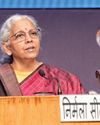
When Nirmala Sitharaman presented the Union Budget 2026-27, agriculture did not come wrapped in big-ticket sops or headline reforms. Instead, it carried a quieter but more meaningful shift. With an allocation of around Rs 1.63 lakh crore, the focus moves from merely shielding farmers through subsidies to helping them earn more through productivity, diversification, and better market access. Building on last year's stabilisation efforts, the Budget backs AI-driven advisories, high-value crops, stronger post-harvest systems, aquaculture competitiveness, and women-led rural enterprises. Targeted steps-like easing Tax Collected at Source (TCS) on tendu leaves-address grassroots realities. The signal is clear: empower farmers not just to survive uncertainty, but to participate confidently in a modern, value-driven agricultural economy.

8 mins
March 2026

AgroSpectrum
What the Future Holds for Agri Warehousing: Trends to Watch in 2026 and Beyond
In the coming years, agri warehousing will no longer remain a passive cog in the agricultural value chain, it will be the backbone of India's post-harvest economy. Once seen purely as a storage solution, warehousing is evolving into a dynamic platform where farmers, financiers, and markets converge. As we look towards 2026 and beyond, several trends point to a future where warehouses play a central role in enhancing farmer incomes, strengthening food systems, and building climate resilience.
4 mins
March 2026
AgroSpectrum
Maharashtra Unveils MahaAgX and India's First Bhili Tribal AI Model
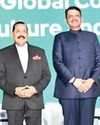
L-R: Vikas Chandra Rastogi, Additional Chief Secretary Agriculture, Animal Husbandry, Dairy Development, and Fisheries Department, Govt of Maharashtra; Parameswaran Iyer, Executive Director of World Bank; Ashish Jaiswal, Minister of State for Agriculture - Government of Maharashtra; Dr Jitendra Singh, Union Minister of State for Science and Technology and Devendra Fadnavis, Chief Minister of Maharashtra; Sunetra Pawar, Deputy CM, Government of Maharashtra; Dattatray Bharne, Agriculture Minister, Govt of Maharashtra along with other dignitaries at the AI4Agri2026, 2-day summit held on March 22, in Mumbai.
6 mins
March 2026

AgroSpectrum
Prof. Ramesh Chand to Deliver Vision Talk at AgroSpectrum Technovate 2026 on March 12
After a successful completion of its first edition of AgroSpectrum Technovate 2025, AgroSpectrum is proud to announce its second edition, AgroSpectrum Technovate 2026, an exclusive two-day summit, set to occur on March 12-13, 2026, at the CIDCO Exhibition & Convention Center, in Vashi, Navi Mumbai.
2 mins
March 2026
AgroSpectrum
Europe Opens the Gate, India Powers the Catch
When India signed its Free Trade Agreement with the European Union on January 27, it opened the door to a major expansion of India's marine economy. With tariff reductions of up to 26 per cent and preferential access covering 100 per cent of trade value, Indian seafood exporters now gain improved entry into a €50+ billion marine import market. For a country whose marine exports to the EU are currently valued at around Rs 8,715 crore, the potential upside is significant. What makes this moment transformative is the alignment between external market access and internal policy support. The fisheries sector—recognised as a Sunrise Sector—now sits at the intersection of trade diplomacy, infrastructure investment and digital reform.
2 mins
March 2026

AgroSpectrum
"Agri supply chains in India will continue to become more organised, with stronger linkages between storage, financing and markets by 2030"
Founded in 2006, StarAgri has evolved from a post-harvest services provider into India's largest integrated agri-tech solutions group spanning storage, finance, trade, and digital marketplaces. Backed by a strong FY25 performance—55 per cent YoY growth and 12 per cent ROE—the company is now gearing up for its IPO, with a roadmap to reach Rs 2,000 crore turnover and 18 per cent ROE by FY26. In an exclusive interaction with AgroSpectrum, Amith Agarwal, Co-founder & CEO of StarAgri, shares insights into the company's growth strategy, financial trajectory, and how the public listing will support its next chapter of expansion. Edited excerpts;
4 mins
March 2026

AgroSpectrum
Basmati at the Crossroads: Precision, Policy and Premium Power
India dominates global Basmati exports in volume and diversity. The next challenge is aligning science, GI enforcement and trade strategy to convert structural leadership into enduring brand power.
5 mins
AgroSpectrum India March 2026
AgroSpectrum
“To make agroforestry investable and bankable at scale, financing mechanisms must evolve”
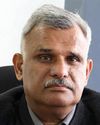
As India's wood market surges—from $ 14.77 billion in 2024 to a projected $22.5 billion by 2029—reducing the country's $7-billion annual wood import bill has become a national priority. In an interview with AgroSpectrum, Manoj Dabas, Country Director, CIFOR-ICRAF India, explains why agroforestry is at a decisive inflection point. Drawing on CIFOR-ICRAF's longstanding collaboration with ICAR and the Ministry of Agriculture and Farmers Welfare, he outlines how scaling Trees Outside Forests through regulatory harmonisation, patient finance, stronger markets, and digital MRV systems can boost climate resilience, rural incomes, and domestic timber security ahead of TREESCAPES 2026. Edited excerpts;
3 mins
AgroSpectrum India March 2026
AgroSpectrum
India–EU FTA 2026: Big Export Push for Marine & Agri Sectors, Safeguards for Farmers
The India-EU Free Trade Agreement marks a major breakthrough in global trade diplomacy, creating new export opportunities while carefully protecting sensitive farm sectors. With zero-duty access for marine products, selective gains in horticulture and processed foods, and continued safeguards for dairy and staples, the agreement strikes a balance between global market expansion and domestic farmer stability.
7 mins
AgroSpectrum India March 2026

AgroSpectrum
"Al-enabled agronomy can further accelerate impact to optimise irrigation and risk management"
Dr Mo Segad, a Swedish and American soil scientist and inventor, was officially recognised by the World Food Prize Foundation as one of the 39 recipients in the 2025 Top Agri-Food Pioneers (TAP) cohort. He is a distinguished professor, UNCCD-accredited expert, and globally recognised inventor whose work is redefining climate-smart and resilient desert agriculture. As founder of 3N BioTech, Pure Green Al, and a UN-accredited forestry organisation, and as a distinguished council member of the World Agriculture Forum, Dr Segad integrates Al, soil science, and regenerative practices to deliver scalable, verifiable solutions aligned with COP outcomes, NDCs, UNCCD Land Degradation Neutrality, and FAO food security mandates. In an interview with AgroSpectrum he highlights how pioneering nano/ bio soil technologies and nature-based innovations are transforming arid and degraded lands into productive, climate-resilient farms that boost food security while reducing water use, agrochemicals, and carbon emissions and use of technology such as Al in maintaining soil health. Edited excerpts;
3 mins
AgroSpectrum India March 2026
Listen
Translate
Change font size