
Vuélvete ilimitado con Magzter GOLD
Obtenga acceso ilimitado a más de 9000 revistas, periódicos e historias Premium por solo
SHORING UP SOCIAL SECURITY
Kiplinger's Personal Finance
|March 2021
Social Security is headed for a shortfall. But sooner or later, lawmakers will act to preserve your benefits.

For years, policymakers—and future beneficiaries—have been wringing their hands over the prospects for Social Security. And make no mistake: The program is headed for trouble.
According to projections that the Social Security Board of Trustees released last April, starting in 2021 the program’s annual costs will exceed its income from employee and employer payroll taxes and interest earnings. Once the program turns that corner, Social Security will begin drawing down assets in its trust funds to continue providing full benefits. Largely driving the shortfall is a decreased birth rate since the baby boom generation, creating a higher ratio of retirees to workers paying into the program.
Social Security’s trust funds are on course for depletion in 2034, according to estimates the trustees issued in November to gauge the effects of the coronavirus crisis. That’s a year earlier than the 2035 depletion date the trustees had predicted in a report issued in April. Job losses, reduced hours and slowed wage growth diminish the amount of payroll tax revenues coming into the program.
The stakes are high. Overall, Social Security benefits represent about 33% of income among those 65 and older, according to the Social Security Administration. Half of married couples and 70% of single people rely on Social Security benefits for 50% or more of their income. And 21% of married couples and about 45% of unmarried people receive at least 90% of their income from Social Security.
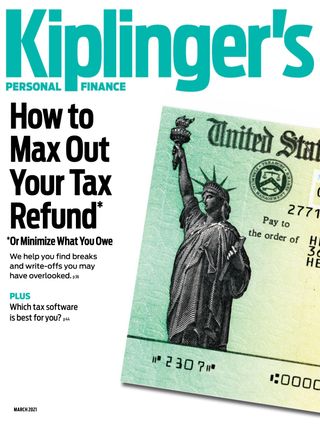

Esta historia es de la edición March 2021 de Kiplinger's Personal Finance.
Suscríbete a Magzter GOLD para acceder a miles de historias premium seleccionadas y a más de 9000 revistas y periódicos.
¿Ya eres suscriptor? Iniciar sesión
MÁS HISTORIAS DE Kiplinger's Personal Finance

Kiplinger's Personal Finance
A Helping Hand for the Homeless
This nonprofit offers shelters, job programs, support in finding a home and more.

2 mins
January 2026

Kiplinger's Personal Finance
Downsizing Advice, Part II
My column on downsizing (see “Living in Retirement,” Oct.) struck a chord with readers. I heard from many who offered advice on successfully culling clutter.
2 mins
January 2026
Kiplinger's Personal Finance
WHY COMPANY GUIDANCE MATTERS
Understanding how corporate profit forecasts affect analysts' estimates and stock ratings can help you make investment decisions.
4 mins
January 2026

Kiplinger's Personal Finance
WHAT SCIENCE REVEALS ABOUT MONEY AND A HAPPY RETIREMENT
Whether you're still planning or already retired, these research-based insights point the way to your best post-work life.
12 mins
January 2026

Kiplinger's Personal Finance
WHAT TO KNOW ABOUT FLOOD INSURANCE
Even if your home is outside a high-risk area, you may want to purchase coverage.
2 mins
January 2026
Kiplinger's Personal Finance
My Retirement Learning Curve
THE NEW WORLD OF RETIREMENT
2 mins
January 2026

Kiplinger's Personal Finance
CREATE A FINANCIAL PLAN WITH THESE TOOLS
Online programs for do-it-yourselfers are better than ever-and they're affordable, too.
9 mins
January 2026

Kiplinger's Personal Finance
2026 MONEY CALENDAR
These key dates and tips will help you make the most of your money in the new year.
7 mins
January 2026
Kiplinger's Personal Finance
Should You Renew Your CD?
AFTER you put money in a certificate of deposit, you can sit back while it collects interest over its term. Once it reaches maturity, you'll face a decision: renew it or withdraw the funds.
1 mins
January 2026

Kiplinger's Personal Finance
GIVING THE BULL THE BENEFIT OF THE DOUBT
KIPLINGER: What do you see ahead for financial markets in 2026? Do you have a target price for the S&P 500?
5 mins
January 2026
Translate
Change font size