
Vuélvete ilimitado con Magzter GOLD
Obtenga acceso ilimitado a más de 9000 revistas, periódicos e historias Premium por solo
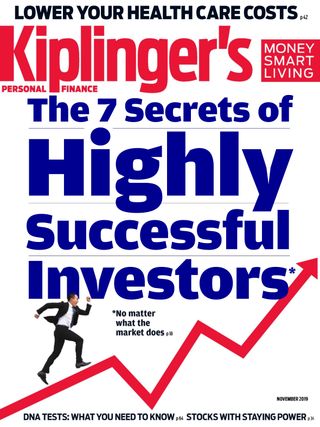
Investing - 7 Steps To A Better Portfolio
Kiplinger's Personal Finance
|November 2019
Prosper in this volatile market (or any other) by focusing on fundamentals.

In investing, it’s as important to practice good habits as it is to avoid bad ones, and the stakes have rarely been higher. The longest bull market on record is in its 11th year, volatility is sky-high, the economy is uncertain and market sentiment is skittish. But long-term investors should rise above the fray and focus on the fundamentals. You already know you shouldn’t buy stock on a tip from your Uncle Fred. But it’s even more important to set appropriate goals, save regularly and monitor your progress. Don’t beat yourself up for the occasional mistake. But if you follow the seven steps below, you’re likely to feel good about your portfolio over the course of a long investing career.
HAVE A PLAN
“I want to make money” isn’t a plan. No one invests to lose money. Serious investors set goals and create an investment plan to meet them. Goals can be short-term or long-term. A short-term goal might be a new car. Long-term goals could be sending kids to college, retiring comfortably or leaving a legacy to your heirs.
It helps if you write down your goals. “If you don’t write them down, they disappear into thin air,” said Ray Ferrara, a certified financial planner in Clearwater, Fla. And review your goals regularly (preferably annually) to see how you’re doing and whether your goals, or your plans for meeting them, need to be revised. A vacation home in the Rockies might seem a little less important when you start learning about grizzly bears. And a consistently poor-performing mutual fund might need to get the boot.

Esta historia es de la edición November 2019 de Kiplinger's Personal Finance.
Suscríbete a Magzter GOLD para acceder a miles de historias premium seleccionadas y a más de 9000 revistas y periódicos.
¿Ya eres suscriptor? Iniciar sesión
MÁS HISTORIAS DE Kiplinger's Personal Finance

Kiplinger's Personal Finance
A Helping Hand for the Homeless
This nonprofit offers shelters, job programs, support in finding a home and more.

2 mins
January 2026

Kiplinger's Personal Finance
Downsizing Advice, Part II
My column on downsizing (see “Living in Retirement,” Oct.) struck a chord with readers. I heard from many who offered advice on successfully culling clutter.
2 mins
January 2026
Kiplinger's Personal Finance
WHY COMPANY GUIDANCE MATTERS
Understanding how corporate profit forecasts affect analysts' estimates and stock ratings can help you make investment decisions.
4 mins
January 2026

Kiplinger's Personal Finance
WHAT SCIENCE REVEALS ABOUT MONEY AND A HAPPY RETIREMENT
Whether you're still planning or already retired, these research-based insights point the way to your best post-work life.
12 mins
January 2026

Kiplinger's Personal Finance
WHAT TO KNOW ABOUT FLOOD INSURANCE
Even if your home is outside a high-risk area, you may want to purchase coverage.
2 mins
January 2026

Kiplinger's Personal Finance
My Retirement Learning Curve
THE NEW WORLD OF RETIREMENT
2 mins
January 2026
Kiplinger's Personal Finance
CREATE A FINANCIAL PLAN WITH THESE TOOLS
Online programs for do-it-yourselfers are better than ever-and they're affordable, too.
9 mins
January 2026

Kiplinger's Personal Finance
2026 MONEY CALENDAR
These key dates and tips will help you make the most of your money in the new year.
7 mins
January 2026
Kiplinger's Personal Finance
Should You Renew Your CD?
AFTER you put money in a certificate of deposit, you can sit back while it collects interest over its term. Once it reaches maturity, you'll face a decision: renew it or withdraw the funds.
1 mins
January 2026

Kiplinger's Personal Finance
GIVING THE BULL THE BENEFIT OF THE DOUBT
KIPLINGER: What do you see ahead for financial markets in 2026? Do you have a target price for the S&P 500?
5 mins
January 2026
Translate
Change font size