
Vuélvete ilimitado con Magzter GOLD
Obtenga acceso ilimitado a más de 9000 revistas, periódicos e historias Premium por solo
Poultry Through The Dark Days Of Winter
Practical Poultry
|Nov - Dec 2017
JANICE HOUGHTON-WALLACE says think now to keep birds safe

Once the clocks change anyone with livestock will know that you fight against time looking after them as the days get shorter. It is therefore important to make those few bright hours in the morning count as much as possible. Open up the chicken house once it is safe and light enough to do so because by mid afternoon poultry will start to roost.
With prolonged darkness it is essential that poultry are safe from predators. Houses should be well maintained with sound roofs so there are no weak areas where predators can break in or rain seep through. A well ventilated but dry, safe area will provide an adequate place for birds to roost overnight.
Any fencing should be such that it prevents burrowing underground to enter the inside and if possible a mud free pen will help keep the birds in better feather condition. Mud can not only damage feet and feathers but it also contains bacteria so move mobile units to drier ground or place wood chippings in pens for a cleaner environment. Do not use hardwood chippings or bark chippings for these can contain spores that could cause fungal problems.
With the onset of migratory wildfowl from the Continent, consider how your birds could be housed if the necessity arose again through Avian Influenza precautions being introduced. Think about what you can keep over the winter for looking after too many with little permanent inside accommodation could be a logistical nightmare. It could also cause welfare problems through overcrowding and bullying.

Esta historia es de la edición Nov - Dec 2017 de Practical Poultry.
Suscríbete a Magzter GOLD para acceder a miles de historias premium seleccionadas y a más de 9000 revistas y periódicos.
¿Ya eres suscriptor? Iniciar sesión
MÁS HISTORIAS DE Practical Poultry
Practical Poultry
Growing food for Chickens
Mary Larham explores some crops to grow on your holding…

5 mins
January - February 2020
Practical Poultry
Poultry in the garden – the truth!
Jo-Jane Buxton shares her experiences
2 mins
January - February 2020
Practical Poultry
The British Waterfowl Association
Which came first, the goose or the egg?
3 mins
January - February 2020
Practical Poultry
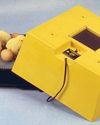
WHY FIT A FAN IN AN INCUBATOR?
Brinsea Products, the Incubation Specialists explain the difference between still air and forced draught
8 mins
January - February 2020
Practical Poultry
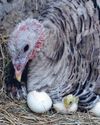
Incubating turkey eggs
Janice Houghton-Wallace looks at broody turkeys and artificial incubation
4 mins
January - February 2020

Practical Poultry
Chicken nesting box herbs
Diana Clauss owns The Blue Feather Farm, in St Cloud, Florida, home to chickens, ducks, goats, and Anatolian Shepherd dogs.
4 mins
January - February 2020
Practical Poultry
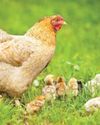
Incubate in January?
Jessica Wombwell says plan the breeding
5 mins
January - February 2020
Practical Poultry
Andy's DIARY
Andy emphases the importance of keeping out damp and wet but allowing ventilation even in cold weather
5 mins
January - February 2020
Practical Poultry
Feeding for Breeding
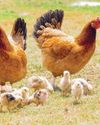
It may be winter, but as Joanna Palmer, nutritionist for Smallholder Range explains, now’s the time to get your flock in tiptop shape and plan ahead for a successful breeding season next spring.
3 mins
January - February 2020
Practical Poultry
A chick named Cuckoo raised by a duck!
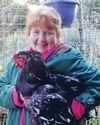
Chris Hammacott and her husband live on a small croft in the Outer Hebrides, they keep a ‘no kill’ flock or rare and rescue sheep which they use to spin and weave rugs. They also share the 8 acres with hens, ducks, cats and 9 rescue pugs.
7 mins
January - February 2020
Translate
Change font size