Intentar ORO - Gratis
The worlds first superhero
BBC History Magazine
|December 2021
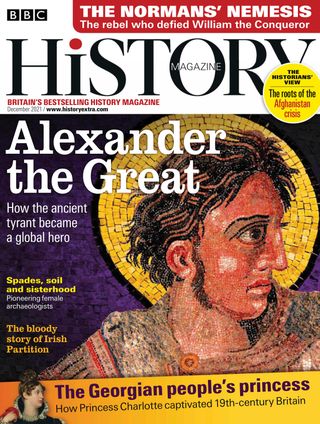
When Alexander the Great died at the age of 32, his transformation into multicultural icon was only just beginning. Edmund Richardson chronicles the Macedonian king’s remarkable afterlife as the original global A-lister

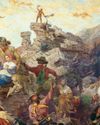
In 321 BC, a very strange procession set out from Babylon. Alexander the Great was on the move. He had died two years earlier, in 323 BC, at the age of 32. Over the course of a few brief years, this astonishing soldier and statesman had transformed the ancient world. He marched his army from Macedon through Asia Minor to Egypt. He defeated the Great King of Persia, Darius III, in two enormous battles. The cities of the Persian empire – Babylon, Susa and Persepolis – fell before him. By his mid-20s, he had more wealth and power than any European in history. But it was not enough.
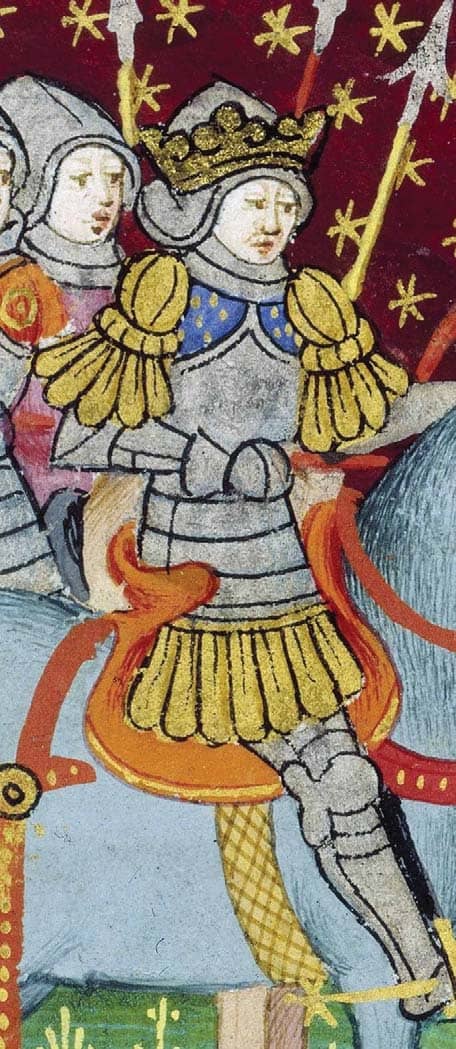
Alexander marched his army further and further east, across the heart of Asia and the mountains of Afghanistan, into battle with elephants and into lands where even the gods of Greece had never set foot.
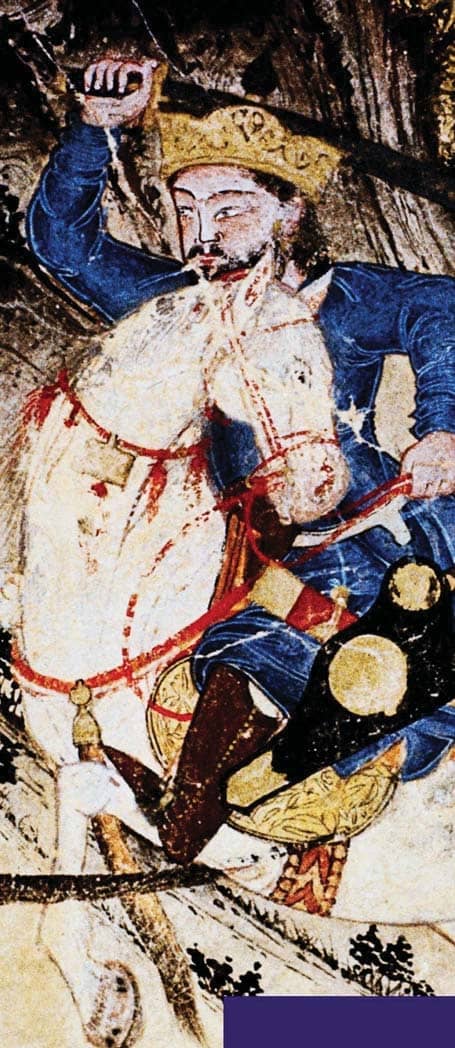
He was never defeated in battle, but after many long years of campaigning, his soldiers laid down their arms on the banks of an Indian river, and would march no further. Alexander reluctantly led his army back to Babylon, where he died under mysterious circumstances (though some thought he had been poisoned).

Esta historia es de la edición December 2021 de BBC History Magazine.
Suscríbete a Magzter GOLD para acceder a miles de historias premium seleccionadas y a más de 9000 revistas y periódicos.
¿Ya eres suscriptor? Iniciar sesión
MÁS HISTORIAS DE BBC History Magazine
BBC History UK
Royal progress
Alice Loxton's new book begins with a compelling premise.

1 mins
January 2026

BBC History UK
"Leaving Muslim contributions out of European history has allowed Islamophobic sentiment to flourish"
THARIK HUSSAIN speaks to Danny Bird about the long but often overlooked and distorted history of Muslims in Europe - and the enduring resistance to its reappraisal
9 mins
January 2026
BBC History UK
7 UNMISSABLE TRIPS IN 2026
With new routes, big anniversaries and fresh ways of discovering familiar favourites, TOM HALL highlights historical destinations to explore this year
4 mins
January 2026

BBC History UK
SOPHIE SCHOLL
Novelist Simon Scarrow chooses
2 mins
January 2026
BBC History UK
Portrait of the artists
TRACY BORMAN is enraptured by a beautifully written and richly illustrated exploration of early modern English art
2 mins
January 2026
BBC History UK
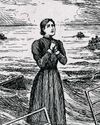
Humble heroes
Statues celebrate monarchs, rulers and conquerors - but who remembers the brave folk who gave their lives to save others? Anna Maria Barry recounts stories of selfsacrificing but otherwise ordinary people from the 19th and 20th centuries who are commemorated in one London park.
9 mins
January 2026
BBC History UK
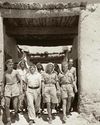
BACK FROM THE DEAD
Britain’s War Office thanked the SAS for its remarkable efforts in WW2 by abolishing it – yet soon realised the error of its ways. Gavin Mortimer tells the story of how the elite unit reinvented itself to confront the challenges of the postwar world
8 mins
January 2026
BBC History UK
Q&A - A selection of historical conundrums answered by experts
Were Roman gladiators vegetarian?
8 mins
January 2026
BBC History UK
Martha McGill on a pioneering study of folk beliefs in early modern England
I was recently chatting with a handful of early modernists about the history book we'd take to a desert island.
1 min
January 2026
BBC History UK
Independent empires
Viewing the British empire through an American lens provides an intriguing alternative perspective on the 'Land of the Free', says DAVID ARMITAGE
4 mins
January 2026
Translate
Change font size