Intentar ORO - Gratis
RICHARD THE RADICAL
BBC History Magazine
|Christmas 2020
For centuries Richard III has been cast as a diabolical despot who would stop at nothing in pursuit of power. But, argues Matt Lewis, in reality, Richard was a champion of the common man – and it was this that ultimately led to his downfall

On 1 October 1472, Richard Williamson was on his way back from Riccall, near York, to his home in Howden. As he waited for the Barnaby ferry, he was set upon brutally by three brothers who cut off both his hands, severed one arm at the elbow, hamstrung him, robbed him of all he had, and left him at the roadside to die. His widow, Katherine, managed to get the case heard in parliament because her local lord, the younger brother of King Edward IV, had taken an interest (and he would later campaign to bring the murderers to justice, as part of his attempts to cast out corruption).
More than a decade later, that brother – then Richard, Duke of Gloucester – would become King Richard III, one of England’s most controversial monarchs. Although the Williamson case happened before he was king, it helps to scratch beneath the surface of what was going on in Richard’s only parliament, held between 23 January and 20 February 1484. It is a thread that allows us to stitch together an image of a progressive king whose policies caused his downfall. Not because he was a tyrant. Quite the opposite.
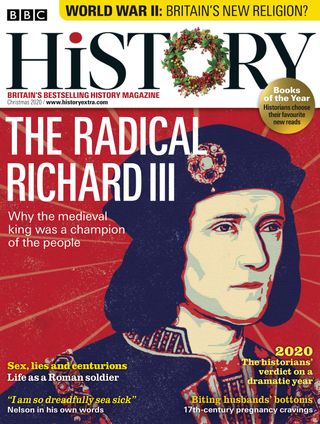

Esta historia es de la edición Christmas 2020 de BBC History Magazine.
Suscríbete a Magzter GOLD para acceder a miles de historias premium seleccionadas y a más de 9000 revistas y periódicos.
¿Ya eres suscriptor? Iniciar sesión
MÁS HISTORIAS DE BBC History Magazine
BBC History UK
Royal progress
Alice Loxton's new book begins with a compelling premise.

1 mins
January 2026

BBC History UK
"Leaving Muslim contributions out of European history has allowed Islamophobic sentiment to flourish"
THARIK HUSSAIN speaks to Danny Bird about the long but often overlooked and distorted history of Muslims in Europe - and the enduring resistance to its reappraisal
9 mins
January 2026
BBC History UK
7 UNMISSABLE TRIPS IN 2026
With new routes, big anniversaries and fresh ways of discovering familiar favourites, TOM HALL highlights historical destinations to explore this year
4 mins
January 2026

BBC History UK
SOPHIE SCHOLL
Novelist Simon Scarrow chooses
2 mins
January 2026
BBC History UK
Portrait of the artists
TRACY BORMAN is enraptured by a beautifully written and richly illustrated exploration of early modern English art
2 mins
January 2026
BBC History UK
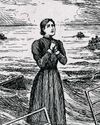
Humble heroes
Statues celebrate monarchs, rulers and conquerors - but who remembers the brave folk who gave their lives to save others? Anna Maria Barry recounts stories of selfsacrificing but otherwise ordinary people from the 19th and 20th centuries who are commemorated in one London park.
9 mins
January 2026
BBC History UK
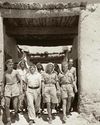
BACK FROM THE DEAD
Britain’s War Office thanked the SAS for its remarkable efforts in WW2 by abolishing it – yet soon realised the error of its ways. Gavin Mortimer tells the story of how the elite unit reinvented itself to confront the challenges of the postwar world
8 mins
January 2026
BBC History UK
Q&A - A selection of historical conundrums answered by experts
Were Roman gladiators vegetarian?
8 mins
January 2026
BBC History UK
Martha McGill on a pioneering study of folk beliefs in early modern England
I was recently chatting with a handful of early modernists about the history book we'd take to a desert island.
1 min
January 2026
BBC History UK
Independent empires
Viewing the British empire through an American lens provides an intriguing alternative perspective on the 'Land of the Free', says DAVID ARMITAGE
4 mins
January 2026
Translate
Change font size