
Vuélvete ilimitado con Magzter GOLD
Obtenga acceso ilimitado a más de 9000 revistas, periódicos e historias Premium por solo
Intentar ORO - Gratis
The Rulers Of Foreign Lands
Archaeology
|September/October 2018
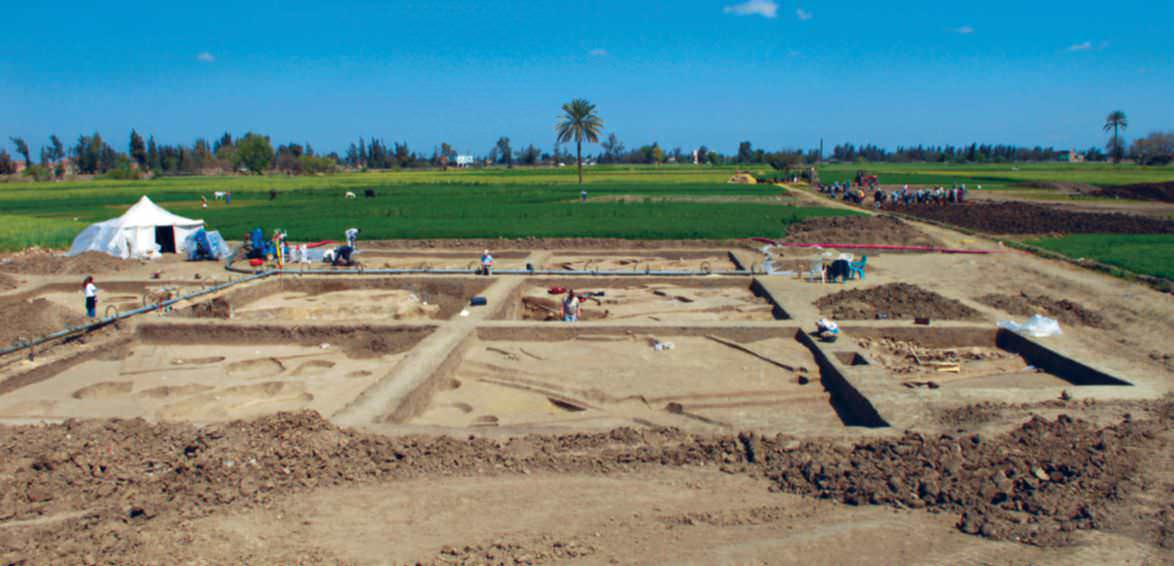
Was a new regional power, once thought of as a bloodthirsty invading force, actually a catalyst for ancient Egypt’s most prosperous era?

Egypt’s carefully recorded lists of rulers run pharaoh after pharaoh for almost 3,000 years. Except, that is, for a century or so around 1640 B.C. when a new group came to dominate the kingdom on the Nile, throwing the region into turmoil and ushering in a new era in Egyptian history.
“For what cause I know not, a blast of the gods smote us; and unexpectedly, from the regions of the East, invaders of obscure race marched in confidence of victory against our land,” writes Manetho, a priest and the author of a history of Egypt called Aegyptiaca likely written in the third century B.C. Despite the fact that he is describing events at a remove of almost 1,500 years, and although his writings survive only because they are quoted in even later works, such as the first century A.D. author Josephus’ “Against Apion,” the account is no less evocative. “By main force, they easily overpowered the rulers of the land; they then burned our cities ruthlessly, razed to the ground the temples of gods, and treated all the natives with a cruel hostility, massacring some and leading into slavery the wives and children of others, and appointing as king one of their number.”
When it came to the story of the rise and short-lived rule of these “invaders of obscure race,” for centuries scholars took for granted Manetho’s account of invasion and disruption as reproduced by Josephus. The tale was supported by other historical accounts, from tables of dynasties, rulers, and reigns found in Egyptian temples to papyrus lists of Egypt’s dynasties. Egyptologists tended to treat the period as a ripple in an otherwise unbroken stream that soon smoothed and vanished, a curious footnote in the three-millennia-long sweep of Egyptian history.
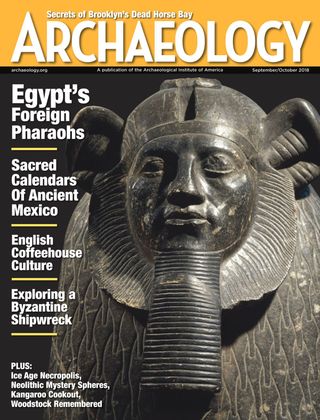

Esta historia es de la edición September/October 2018 de Archaeology.
Suscríbete a Magzter GOLD para acceder a miles de historias premium seleccionadas y a más de 9000 revistas y periódicos.
¿Ya eres suscriptor? Iniciar sesión
MÁS HISTORIAS DE Archaeology
Archaeology
THE EGYPTIAN SEQUENCE
Until now, the earliest Egyptians to have even part of their DNA sequenced were three people who lived between 787 and 544 B.C.

1 mins
November/December 2025

Archaeology
SOURCE MATERIAL
As early as 40,000 years ago, some hunter-gatherers in southern Africa ventured long distances to procure special types of stone to make their tools.
1 min
November/December 2025

Archaeology
Secrets of the Seven Wonders
How archaeologists are rediscovering the ancient world's most marvelous monuments
13 mins
November/December 2025
Archaeology
ACTS OF FAITH
Evidence emerges of the day in 1562 when an infamous Spanish cleric tried to destroy Maya religion
12 mins
November/December 2025

Archaeology
OASIS MAKERS OF ARABIA
Researchers are just beginning to understand how people thrived in the desert of Oman some 5,000 years ago
8 mins
November/December 2025

Archaeology
FOSSIL FORCE
One of the planet's most successful arthropods, trilobites, abounded in the oceans from about 520 million to 250 million years ago.
1 min
November/December 2025
Archaeology
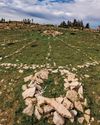
BIGHORN MEDICINE WHEEL, WYOMING
Perched almost 9,700 feet above sea level on Medicine Mountain in Wyoming's Bighorn Range, the Medicine Wheel is an 80-foot-diameter circular structure made from limestone boulders.
2 mins
November/December 2025
Archaeology
ANCIENT LOOK BOOK
A young woman buried in China's Tarim Basin some 2,000 years ago went to the afterlife accompanied by the height of fashion.
1 mins
November/December 2025
Archaeology
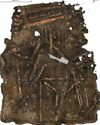
A FAMILIAR FACE
In the early eleventh century, a landslide on the island of Ostrów Lednicki in western Poland caused a hillfort to collapse and slip to the bottom of Lake Lednica.
1 min
November/December 2025
Archaeology
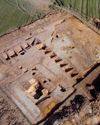
Temples to Tradition
A looted cache of bronzes compels archaeologists to explore Celtic sanctuaries across Burgundy
13 mins
November/December 2025
Translate
Change font size