
Vuélvete ilimitado con Magzter GOLD
Obtenga acceso ilimitado a más de 9000 revistas, periódicos e historias Premium por solo
Intentar ORO - Gratis
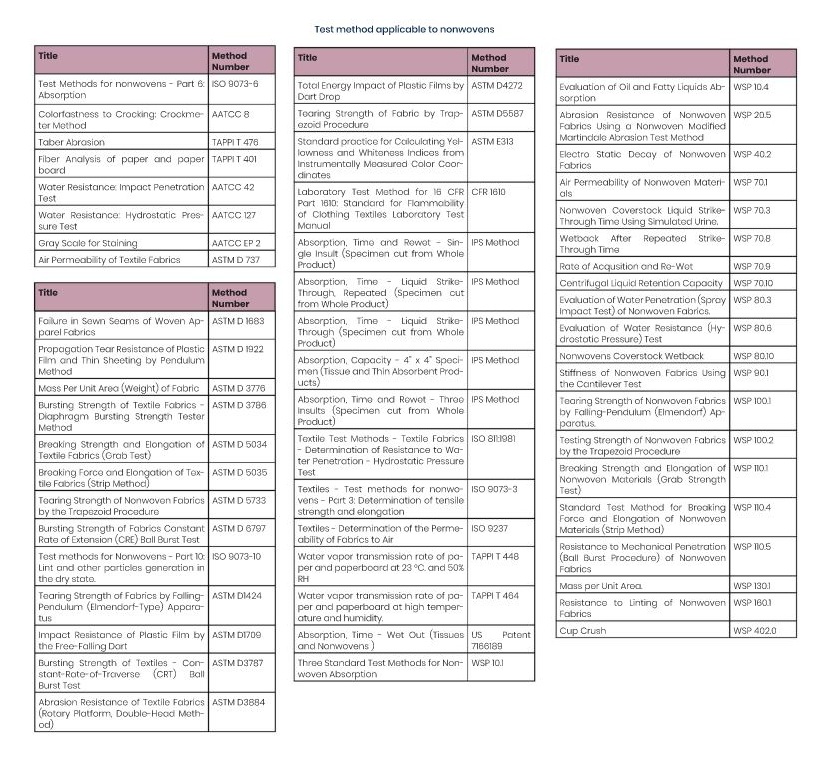
Covid19 Nonwovens In Medical Textiles
Textile Value Chain
|May 2020
Creating fabric was traditionally done by conversion of fibers into yarns and yarns into fabrics either by weaving or knitting.

Then came the introduction of nonwovens in the 19th century. In 1962, the first written definition of nonwovens was initiated by American Society for Testing and materials which defined the term as “textile fabrics made of carded web or fiber web held together by adhesives”.
Nonwoven materials became an especially vital section of the textile trade in recent years. The technical developments in polymers, nonwoven process and cloth finishing have crystal rectifier to important enhancements in cloth physical and mechanical properties as well as cloth handling and drapability, tensile properties, abrasion resistance, pilling and laundry stability, colouring and printing that make prospects for nonwoven cloth applications particularly in attire clothing.
Nonwovens in medical textiles
The use of nonwovens in medical field goes back to the time of Second world war when the need was enormous for production of medical products. In many reports printed, nonwovens were considered the foremost effective materials for microorganism barriers. They were conjointly found superior to linens within the reduction of air-borne contamination.
After important development of nonwovens, they were designed in a very thanks to suit the medical wants and provides a performance far better than their woven counterparts in terms of price, effectiveness, disposability etc. In hospitals, cross-contamination is usually one among the most important issues that were attributed mostly to re-using of woven robes, masks and alternative similar articles which might get contaminated and doubtless unfold the germs.

Esta historia es de la edición May 2020 de Textile Value Chain.
Suscríbete a Magzter GOLD para acceder a miles de historias premium seleccionadas y a más de 9000 revistas y periódicos.
¿Ya eres suscriptor? Iniciar sesión
MÁS HISTORIAS DE Textile Value Chain
Textile Value Chain
The New Age of Men's Tailoring: From Bespoke to Hybrid Models
Part 1 of the Series: The Evolving World of Men's Tailored Wear

4 mins
January 2026

Textile Value Chain
The Textile Landscape of 2025: A Year of Transformation
Navigating Policy Reforms, Trade Agreements, and Global Events
5 mins
January 2026

Textile Value Chain
Recycled Fibres vs Virgin Fibres: The Real Cost, Footprint & Business Opportunity
For decades, the textile industry asked only one question when choosing raw material:
3 mins
January 2026

Textile Value Chain
2025 in Perspective: A Stronger, Cleaner, Smarter Future for Textiles
The year 2025 reminded the textile and apparel sector that resilience now matters more than pace.
5 mins
January 2026
Textile Value Chain
Heimtextil as a Working lab for Sutlej and its Customers
When the global home textiles industry gathers in Frankfurt this January, Sutlej Textiles is approaching Heimtextil with a clear intent: to treat the fair less as a product parade and more as a live development lab with its buyers and partners.
4 mins
January 2026

Textile Value Chain
Weaving Heritage into Future: A Conversation with Ms Roop Rashi Mahapatra
In an era where fast fashion dominates the global textile landscape, Khadi stands as a timeless symbol of India's heritage, sustainability, and self-reliance.
11 mins
January 2026

Textile Value Chain
Home Textiles: Ever-growing Market to Evergreen Product Source
Indian Home textiles have always enjoyed a special market position, and demand continues to increase, capturing a premium to the budgeted market across different markets, but with one constant hunger for extraordinary design, a super comfortable feel, and the appeal of sophistication, along with changing market dynamics.
4 mins
January 2026

Textile Value Chain
The Velvet Revolution: How This Timeless Fabric is Redefining Modern Textiles
When you run your hand across velvet, something happens.
3 mins
January 2026

Textile Value Chain
SPGPrints Achieves Landmark Success at ITMA ASIA 2025 With Transformative Textile Printing Technology and Key Order Closures
SPGPrints, the global leader in innovative textile printing solutions, announced an overwhelmingly successful participation in ITMA ASIA 2025 at the Singapore Expo.
2 mins
January 2026
Textile Value Chain
Development of Home Textile Products from Post-Consumer Textile Waste
With the growing concern over textile waste and its environmental impact, sustainable approaches for fabric reuse are urgently needed.
5 mins
January 2026
Translate
Change font size