
Vuélvete ilimitado con Magzter GOLD
Obtenga acceso ilimitado a más de 9000 revistas, periódicos e historias Premium por solo
The RIDDLE of the ROAN
BBC Wildlife
|October 2021
Blighted by clumsy conservation could there now be signs of hope for Africa’s second largest antelopes?

Roan antelope are the most enigmatic of large antelopes and remain relatively misunderstood.” It’s the end of a long summer and Leanne Huber is gazing across the grasslands that are home to 40 roan antelope. She’s been working with these animals for more than a decade and has come to know them well.
“Because their babies are quite easily taken by predators they have a reputation of being bad parents, but it’s not true at all. When they’re defending their young they can seem intimidatingly huge!”
Leanne and her husband, wildlife veterinarian Dr Paul Huber, run the roan breeding programme at Ant’s Hill on South Africa’s Waterberg plateau.
“We also breed sable, eland and gemsbok here,” she continues, “but the roan are my favourites. They’re particularly protective during the weeks when their young are hidden in the long grass. If we even walk close to a hiding place the dominant cow will come racing over.”
Roan are the second biggest antelope (after the eland) and their barrel-chested, horse-like build does indeed give them a powerful appearance. Named for their reddish colour, roan are sometimes mistaken for the darker sable. Their Afrikaans name bastergemsbok (‘bastard gemsbok’) relates to the distinctive gemsbok-like black-and-white facial markings, but their distinctive fringed ears give them a comically startled appearance. Even these unique appendages remain an evolutionary mystery, though it is possible that they might provide protection in the Highveld habitat, where winter temperatures can plummet below freezing. “Roan are certainly prone to frostbite,” says Huber, “and when it gets really cold they can lose the tips of their ears.”
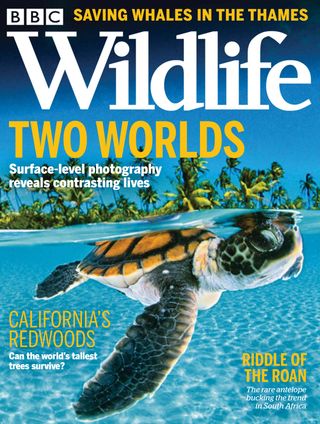

Esta historia es de la edición October 2021 de BBC Wildlife.
Suscríbete a Magzter GOLD para acceder a miles de historias premium seleccionadas y a más de 9000 revistas y periódicos.
¿Ya eres suscriptor? Iniciar sesión
MÁS HISTORIAS DE BBC Wildlife
BBC Wildlife
"I was terrified the elephant would ram us"
African elephant in Kenya

2 mins
January 2026
BBC Wildlife
ALL YOU EVER NEEDED TO KNOW ABOUT THE Fennec fox
THE FENNEC FOX IS THE SMALLEST fox in the world, with a body length that can be as little as 24cm.
3 mins
January 2026

BBC Wildlife
INTO THE PLASTISPHERE
A unique synthetic ecosystem is evolving in our oceans – welcome to the plastisphere
7 mins
January 2026
BBC Wildlife
“More than half of all animal life exists in a parasitic relationship, and all life lives in symbiosis”
Our survival depends on species evolving to live together - but some relationships take dark turns
7 mins
January 2026
BBC Wildlife
Are animals able to dream?
SLEEP IS A MYSTERIOUS THING. FOR A long time, we weren't sure why we do it.
1 mins
January 2026
BBC Wildlife
Does a cuckoo know it's a cuckoo?
ABSURD LITTLE BIRDS ACROSS THE world lay their eggs in the nests of other species, leaving the hapless parents to raise a changeling at the expense of their own offspring.
2 mins
January 2026
BBC Wildlife
Orcas killing young sharks
Juvenile great whites are easy prey for orca pod
1 mins
January 2026
BBC Wildlife
Ocean goes on tour
Acclaimed film touring the UK, backed by live orchestra and choir
1 min
January 2026
BBC Wildlife
Feisty bats hunt like lions
Winged mammals use a 'hang and wait' strategy to take down large prey
1 mins
January 2026
BBC Wildlife
SNAP-CHAT
Richard Birchett on magical merlins, wily coyotes and charging deer
2 mins
January 2026
Translate
Change font size