Intentar ORO - Gratis
MIKE DILGER'S WILDLIFE WATCHING
BBC Wildlife
|October 2021
ON THE MUDFLATS In his series of great places to watch wildlife in the UK, the star of BBC One’s The One Show points out the surprising joys to be taken from the muddiest of places, teeming with invertebrates and a refuge for waders and wildfowl.

Occupying that space where land, sea and sky seem to merge, intertidal mudflats must surely be one of the most ‘natural’ of all the many highly modified habitats now enountered in modern-day Britain. Entirely framed at its lower reaches by the sea, the area of mudflat closest to land – and therefore furthest away from the daily scouring effects of the tide – will eventually morph into vegetated saltmarsh.
Located in estuaries and bays, mudflats will form in any relatively sheltered location where fine silt and clay sediments that have originated from rivers are allowed to settle, before ultimately forming the wide, open expanses so familiar along large sections of our coastline. To the untrained eye, mudflats can appear superficially similar to both sandbanks and sandy beaches, however, the physical properties of mud enable it to retain moisture far more easily, giving estuaries a watery sheen even at low tide.
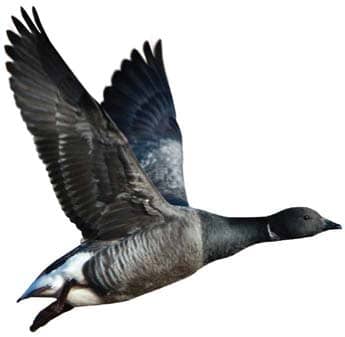
Mudflats also differ in possessing far more organic matter than their sandy counterparts, making them a very fertile habitat, often teeming with bristleworms, bivalves and mud snails. In fact, 1m² of the finest estuarine mud may well contain more than 1,000 worms, which in turn provide vital sustenance for a vast array of waders and wildfowl arriving for the winter to gorge on this huge invertebrate banquet. Brent geese and wigeon will also be attracted to feed on mudflat plants such as eelgrass.
Welcome break

Esta historia es de la edición October 2021 de BBC Wildlife.
Suscríbete a Magzter GOLD para acceder a miles de historias premium seleccionadas y a más de 9000 revistas y periódicos.
¿Ya eres suscriptor? Iniciar sesión
MÁS HISTORIAS DE BBC Wildlife
BBC Wildlife
Animal welfare
FURTHER TO EM GENOVESE'S LETTER (Your Letters, Spring 2026), I would like to signpost the charity Wild Welfare to readers.

2 mins
May 2026
BBC Wildlife
"The hooves pounded up the trail behind us"
Moose in Colorado
3 mins
May 2026
BBC Wildlife
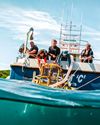
SEAGRASS SAVIOURS
Sometimes, saving the planet requires a bright idea, some practical know-how and a bit of tinkering
6 mins
May 2026
BBC Wildlife
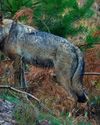
WALL TO WILD
After the fall of the Berlin Wall, reunified Germany became a new landscape not only for people, but for wildlife too 'M SITTING IN A FOREST IN Brandenburg, northeast Germany, looking over a large clearing.
7 mins
May 2026
BBC Wildlife
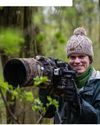
SNAP-CHAT
Samuel Bloch on wild horses, crazy capercaillies and sleeping on the job
2 mins
May 2026
BBC Wildlife
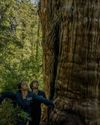
Old trees key to resilience
Study finds mature trees trump youthful ones
1 min
May 2026
BBC Wildlife
ONE STEP BEYOND
There's a lot more to these quirky seabirds than their eye-catching limbs
2 mins
May 2026
BBC Wildlife
RETURN OF A LEGEND
Once teetering on the very brink of extinction, the elusive Scottish wildcat is prowling the Highlands once more, thanks to a bit of help
7 mins
May 2026
BBC Wildlife
Urban scavengers help curb carbon
New study reveals the extent of emissions saved as city animals feast on food waste
2 mins
May 2026
BBC Wildlife
Merlin on the brink
The diminutive raptor is one of many species facing extinction in Britain, suggests new report
1 mins
May 2026
Translate
Change font size