
Vuélvete ilimitado con Magzter GOLD
Obtenga acceso ilimitado a más de 9000 revistas, periódicos e historias Premium por solo
Changing with the SEASONS
BBC Wildlife
|January 2021
Throughout the year, a wealth of wildlife reveals itself in a tranquil English orchard.

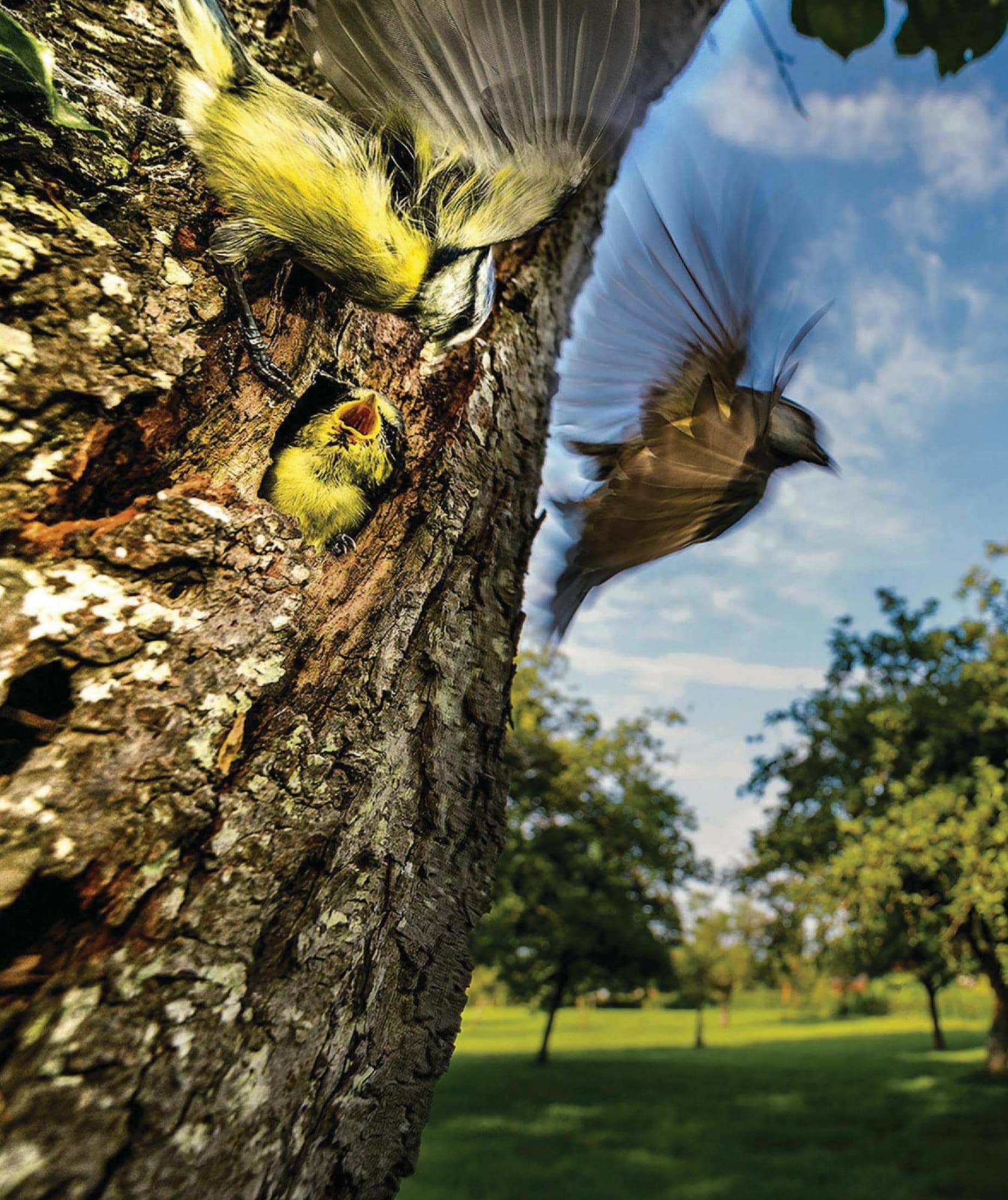
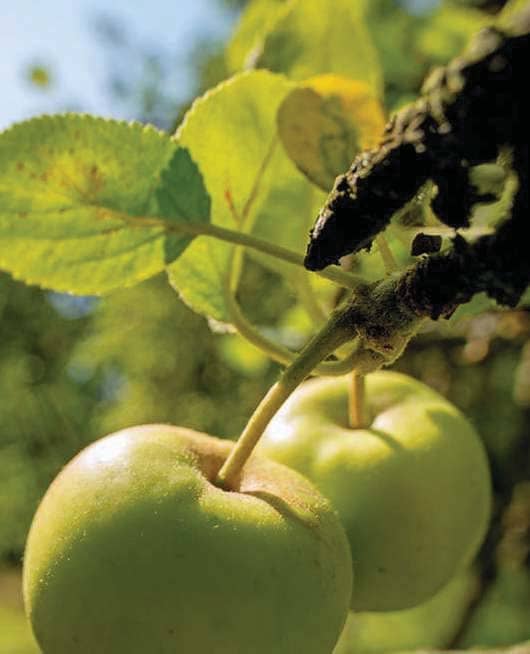
Deep in the Malvern Hills, a traditional orchard stands proud as a place of extraordinary abundance in the barren farmland around. For six years, fellow naturalist Nicholas Gates and I have been studying its wildlife. This biodiverse haven was once a sight that would have covered the one-time fruit-growing counties of Herefordshire, Worcestershire and much of Gloucestershire, Devon and Somerset.
It’s January – under a soft snow blanket, the orchard, its trees bent under the weight of ice-clad mistletoe, heaves and chatters with winter thrushes. Fieldfares, redwings and song thrushes descend from the trees in their thousands and the static fizz and pop of starlings can be heard everywhere. When the farmlands all around are dead and devoid of life, here it’s winter feast time and the banquet hall is full.
Orchards were once a staple of rural life, much as they remain in the older farming systems of Eastern Europe. We cultivated most of them here in Tudor times, yet the older history is infinitely more fascinating. The apple trees in Britain’s orchards today do not, in fact, originate from our native wild crab apples. They originate, instead, from a remote mountain valley in Kazakhstan. Here, it is believed that early Silk Road traders (and their horses) vectored the Kazakh apples westwards towards the Mediterranean, where they were grown by enterprising Greeks and Romans.

Esta historia es de la edición January 2021 de BBC Wildlife.
Suscríbete a Magzter GOLD para acceder a miles de historias premium seleccionadas y a más de 9000 revistas y periódicos.
¿Ya eres suscriptor? Iniciar sesión
MÁS HISTORIAS DE BBC Wildlife
BBC Wildlife
"I was terrified the elephant would ram us"
African elephant in Kenya

2 mins
January 2026
BBC Wildlife
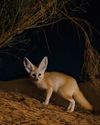
ALL YOU EVER NEEDED TO KNOW ABOUT THE Fennec fox
THE FENNEC FOX IS THE SMALLEST fox in the world, with a body length that can be as little as 24cm.
3 mins
January 2026
BBC Wildlife
INTO THE PLASTISPHERE
A unique synthetic ecosystem is evolving in our oceans – welcome to the plastisphere
7 mins
January 2026
BBC Wildlife
“More than half of all animal life exists in a parasitic relationship, and all life lives in symbiosis”
Our survival depends on species evolving to live together - but some relationships take dark turns
7 mins
January 2026
BBC Wildlife
Are animals able to dream?
SLEEP IS A MYSTERIOUS THING. FOR A long time, we weren't sure why we do it.
1 mins
January 2026
BBC Wildlife
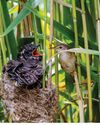
Does a cuckoo know it's a cuckoo?
ABSURD LITTLE BIRDS ACROSS THE world lay their eggs in the nests of other species, leaving the hapless parents to raise a changeling at the expense of their own offspring.
2 mins
January 2026
BBC Wildlife
Orcas killing young sharks
Juvenile great whites are easy prey for orca pod
1 mins
January 2026
BBC Wildlife
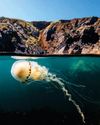
Ocean goes on tour
Acclaimed film touring the UK, backed by live orchestra and choir
1 min
January 2026
BBC Wildlife
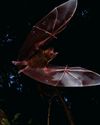
Feisty bats hunt like lions
Winged mammals use a 'hang and wait' strategy to take down large prey
1 mins
January 2026
BBC Wildlife
SNAP-CHAT
Richard Birchett on magical merlins, wily coyotes and charging deer
2 mins
January 2026
Translate
Change font size