
Go Unlimited with Magzter GOLD
Get unlimited access to 10,000+ magazines, newspapers and Premium stories for just
TURNING BACK THE CLOCK THE NEW SCIENTIFIC SEARCH FOR YOUTH
Time
|March 24, 2025
LATER THIS YEAR, A HANDFUL OF PEOple with a rare eye condition will receive a novel injection that is designed to quite literally turn back time.
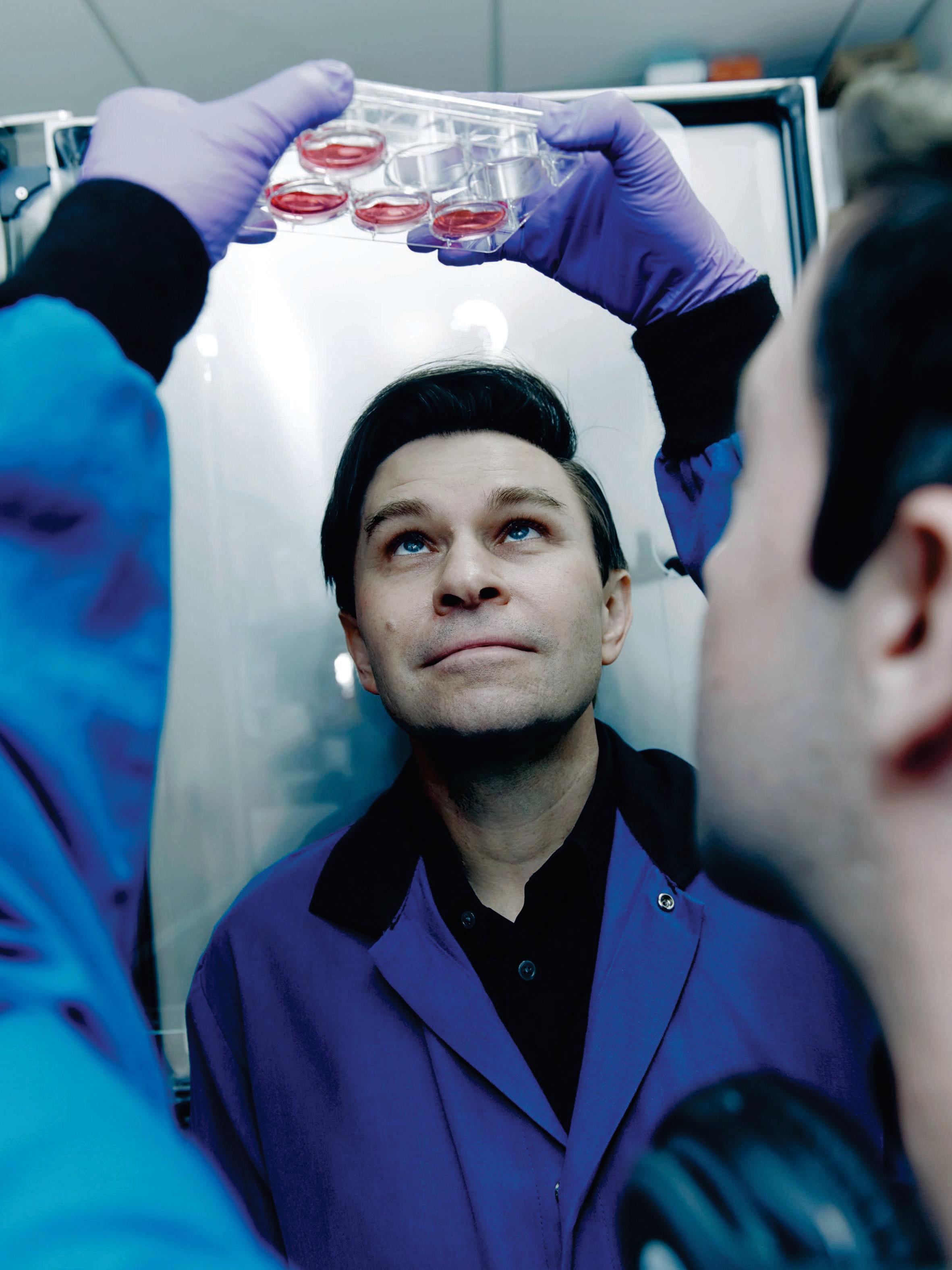
Nonarteritic anterior ischemic optic neuropathy—known as NAION—can cause sudden blindness when blood flow to the optic nerve is blocked. It’s not clear what causes the condition, although diabetes, high blood pressure, and smoking are known to be risk factors. Some early evidence also suggests GLP-1-based weight-loss drugs such as Wegovy, Ozempic, Mounjaro, and Zepbound might also make patients twice as prone to the condition compared with those not taking the medications. Whatever its cause, there are no treatments for NAION. And if it strikes one eye, there is a good chance it will also affect the other, leading to complete blindness.
Scientists hope to change that with what is potentially much more than an eye treatment. The injection will test a new gene therapy that, instead of targeting specific genetic mutations that cause NAION, attempts to return certain optic-nerve cells to their pre-NAION state. It would be the equivalent of pressing a biological rewind button that takes the affected cells back to a younger condition—one in which they haven’t yet been struck by NAION or any other disease.
To some scientists, this sounds wildly ambitious. To others, extremely unlikely. Either way, it is just the kind of big—and controversial—swing that is emblematic of the growing field of science devoted to untangling and reversing what is a central fact of life: aging.
The particular therapy behind the NAION treatment is based on the work of David Sinclair, a professor of genetics at Harvard Medical School and director of the Paul F. Glenn Center for Biology of Aging Research. He has spent decades trying to understand the wear-and-tear processes that age our cells and is convinced that many conditions that plague us—from joint issues to metabolic processes that break down as we get older—could be avoided and even reversed.


This story is from the March 24, 2025 edition of Time.
Subscribe to Magzter GOLD to access thousands of curated premium stories, and 10,000+ magazines and newspapers.
Already a subscriber? Sign In
MORE STORIES FROM Time

Time
TRUMP
LAST YEAR'S PERSON OF THE YEAR SPENT 2025 TESTING THE LIMITS OF HIS OFFICE

5 mins
December 29, 2025

Time
BEST OF CULTURE 2023
The art that entertained, moved, and inspired us this year
3 mins
December 29, 2025

Time
NEAL MOHAN
THE YOUTUBE CEO HAS LED THE PLATFORM INTO A NEW ERA OF TV AND VIDEO DOMINATION
16 mins
December 29, 2025

Time
LEONARDO DICAPRIO
MOVIE BY MOVIE, THE ACTOR HAS CRAFTED A HOLLYWOOD CAREER THAT'S BUILT TO LAST— EVEN IN AN INDUSTRY DEFINED BY CHANGE
14 mins
December 29, 2025

Time
A'JA WILSON
HER FOURTH MVP AWARD. HER THIRD WNBA TITLE. IT WAS A VERY GOOD YEAR.
21 mins
December 29, 2025
Time
HOW THE U.S. CAN LEAD
Artificial intelligence is reshaping the world.
2 mins
December 29, 2025
Time
State of the art
AS TIME’S CREATIVE DIRECTOR, I’VE been privileged to work with some of the world’s best artists and photographers in creating thousands of images for our cover.
1 mins
December 29, 2025

Time
The fractured agenda
BY THE TIME NEGOTIATORS FROM AROUND THE WORLD gathered in the Amazonian city of Belém in November to discuss the future of climate action, the world had already experienced an alarming year: near-record global temperatures, unprecedented heat waves across continents, and extreme flooding that scientists say would have been virtually impossible without human-driven warming.
2 mins
December 29, 2025

Time
PERSON OF THE YEAR
SINCE 1801, AMERICAN LEADERS HAVE GATHERED in Washington, D.C., to attend the Inauguration of a new President.
4 mins
December 29, 2025
Time
AI'S NEXT FRONTIER IS HERE
In 1950, when computing was little more than automated arithmetic and simple logic, Alan Turing asked a question that reverberates today: Can machines think? It took remarkable imagination to see what he saw—intelligence might someday be built rather than born.
1 mins
December 29, 2025
Listen
Translate
Change font size