Versuchen GOLD - Frei
TITANS
The Week Junior Science+Nature UK
|Issue 79
The biggest dinosaurs grew to truly epic proportions. Peter Gallivan tells the super-sized tale of these giant reptiles and discovers why they grew so large.
-
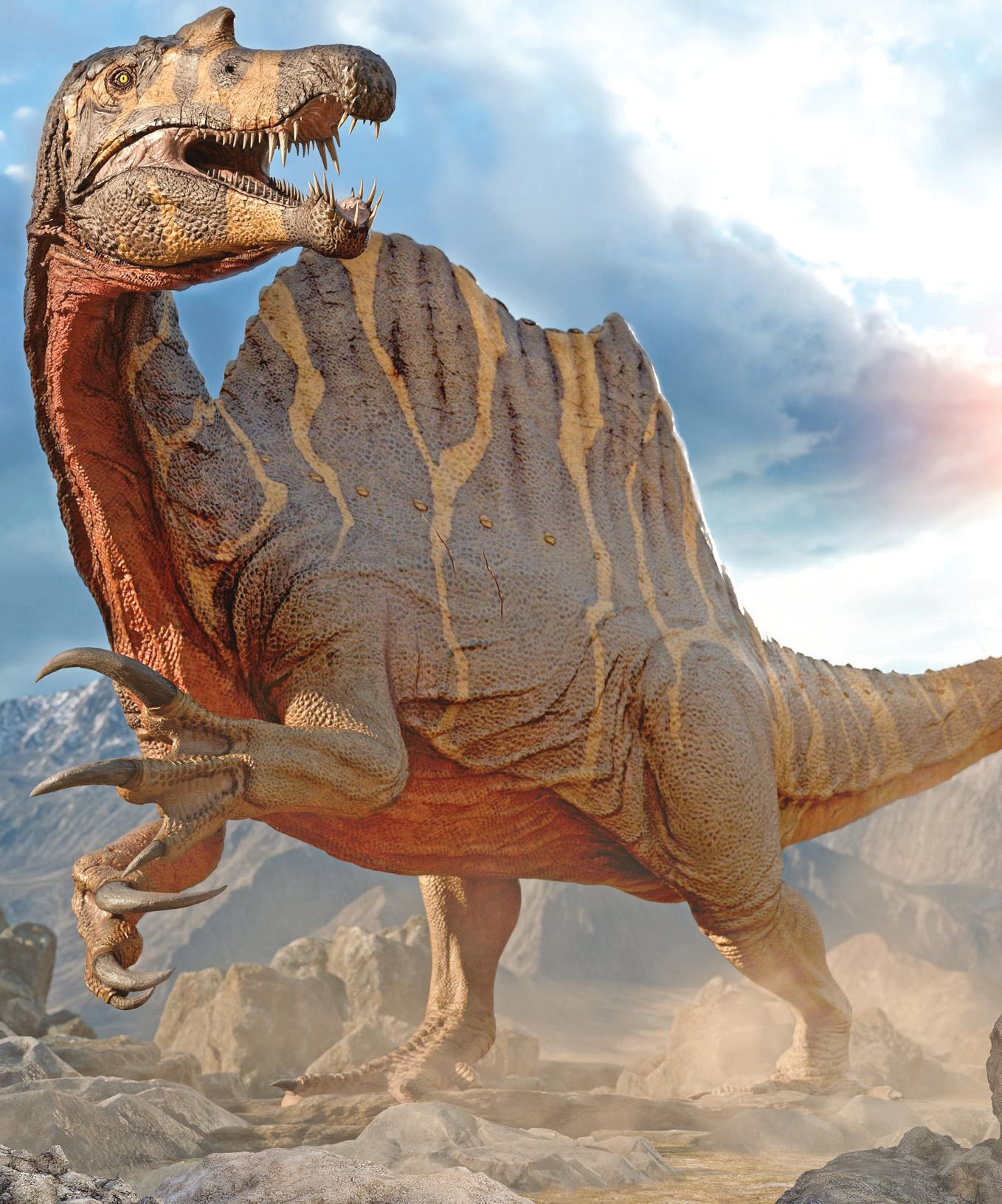
When it comes to supersized animals, dinosaurs are the undisputed champions. They dominated the world for around 200 million years, growing much larger than elephants, giraffes or any other animal alive on land today. You might think Tyrannosaurus rex was the king of the dinosaurs. No doubt, at 12 metres and 7,000 kilograms, it was mighty impressive, but was overshadowed by the real heavyweights – the titanosaurs. Larger relatives of Diplodocus, these titans were the largest animals ever to walk on Earth, and brought the age of the dinosaurs to a colossal conclusion.
Dawn of the dinos Dinosaurs weren’t always supersized. The first to evolve were rather diddy. They appeared around 250 million years ago, at the start of the Triassic period. At the time, the planet looked completely different. Instead of large chunks of land separated into continents, all the land was clumped together in one giant supercontinent called Pangea. Earth had also just experienced a mass extinction event (when species vanish much faster than they are replaced – usually about threequarters of all species over less than three million years). A colossal volcano or perhaps a meteor strike wiped out almost 90% of all animal life.
In this barren world, with most of the competitors off the scene, the first dinosaurs soon took advantage. These first Triassic dinos were the size of dogs, and looked a bit like crocodiles with long legs. By the start of the Jurassic period, 50 million years later, dinos had branched out.
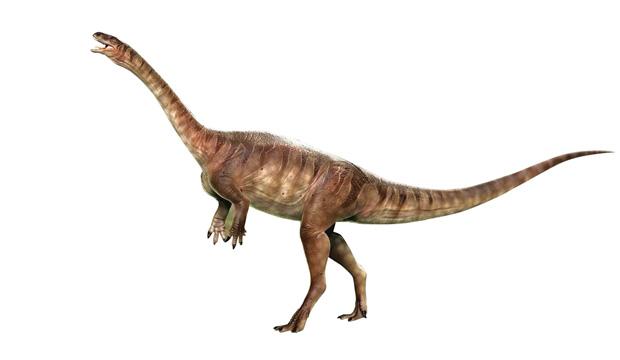 They had evolved many new forms and occupied almost every habitat on Earth. Their legs now moved vertically underneath their bodies (rather than splayed out like a lizard). This allowed them to develop stronger leg muscles, move faster and begin to walk upright.

Diese Geschichte stammt aus der Issue 79-Ausgabe von The Week Junior Science+Nature UK.
Abonnieren Sie Magzter GOLD, um auf Tausende kuratierter Premium-Geschichten und über 9.000 Zeitschriften und Zeitungen zuzugreifen.
Sie sind bereits Abonnent? Anmelden
WEITERE GESCHICHTEN VON The Week Junior Science+Nature UK
The Week Junior Science+Nature UK
FIGHTING THE FREEZE
Claire Karwowski uncovers nature's wildest ways of fighting the winter freeze.

6 mins
Christmas 2025
The Week Junior Science+Nature UK
Cook up bioplastic decorations
Make your own eco-friendly ornaments.
1 min
Christmas 2025

The Week Junior Science+Nature UK
Should we switch off Christmas lights?
They brighten up the festive season, but they can have a negative impact on the environment.
1 mins
Christmas 2025
The Week Junior Science+Nature UK
Three spectacular illuminations
Glow Wild, Wakehurst
1 min
Christmas 2025

The Week Junior Science+Nature UK
THE LAST DAYS OF POMPEII
For the first time, an immersive exhibition about the destruction of the ancient Roman city of Pompeii has opened in London.
1 min
Christmas 2025
The Week Junior Science+Nature UK
Wildlife watch
Jenny Ackland unveils a winter wonderland of natural delights this festive season.
1 mins
Christmas 2025
The Week Junior Science+Nature UK
Make Snow globes
Create the perfect Christmas gift.
1 min
Christmas 2025

The Week Junior Science+Nature UK
Maggie Aderin-Pocock
Meet the scientist \"blasting off into space\" at the Christmas Lectures.
3 mins
Christmas 2025
The Week Junior Science+Nature UK
Make vegan eggnog
Whip up a dairy-free festive winter warmer that is perfect for cold nights.
1 min
Christmas 2025
The Week Junior Science+Nature UK
Octopuses
Meet the colour-changing, shape-shifting, fortune-telling aliens of the seas.
2 mins
Christmas 2025
Listen
Translate
Change font size