
Mit Magzter GOLD unbegrenztes Potenzial nutzen
Erhalten Sie unbegrenzten Zugriff auf über 9.000 Zeitschriften, Zeitungen und Premium-Artikel für nur
A BETTER WAY TO GO: HOW TO HAVE A GREENER DEATH
BBC Science Focus
|January 2026
Modern funeral arrangements are trashing the planet. But there are better ways to dispose of your body
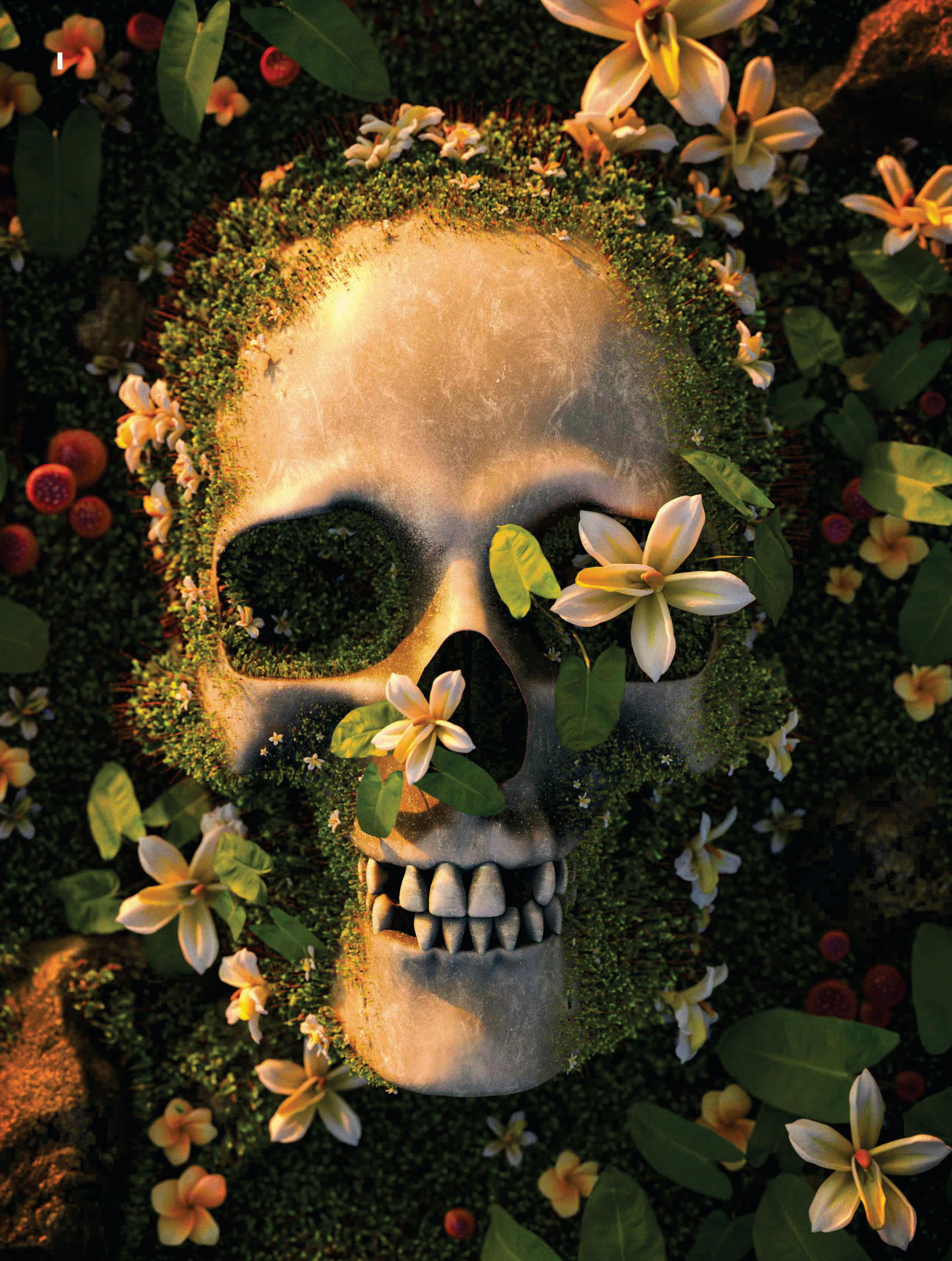
In most of the world today, the choice of what happens to our remains after we die is a binary one – cremation or burial. But the funeral industry has a dirty secret: it’s terrible for the environment.
A single cremation uses the same amount of energy as an 800km (500-mile) car journey. In the US, where nearly two-thirds of people are cremated when they die, crematoria pump 360,000 tonnes of carbon dioxide (CO₂) into the atmosphere every year. Incinerated dental fillings release an estimated 1.2g of vaporised mercury per body. And at popular scattering spots, the mineral content and pH of human ashes can alter the composition of the soil and harm delicate plants.
The number of people choosing cremation in the UK has grown year on year since the early 1900s, escalating rapidly in the 50s and 60s as religious and cultural attitudes shifted. In 2024, more than 80 per cent picked cremation over burial.
“The combined result of all that corporeal carbon, plus coffin carbon, plus fossil fuel carbon [to power the furnace] means that we’re dumping thousands of tonnes straight into the atmosphere every year in the UK alone,” says Rosie Inman-Cook, manager of the Natural Death Centre, a UK charity that gives free, impartial advice on all aspects of dying, bereavement and consumer rights.
Traditional burial is hardly better. “I know because I was there; I did the thing,” says John Christian Phifer, who worked as an embalmer and funeral director in his native Tennessee for 15 years. “I’ve seen how much waste goes into the ground. We’re essentially creating landfills.”

Diese Geschichte stammt aus der January 2026-Ausgabe von BBC Science Focus.
Abonnieren Sie Magzter GOLD, um auf Tausende kuratierter Premium-Geschichten und über 9.000 Zeitschriften und Zeitungen zuzugreifen.
Sie sind bereits Abonnent? Anmelden
WEITERE GESCHICHTEN VON BBC Science Focus

BBC Science Focus
ARE PSYCHOPATHS REALLY THAT GOOD AT LYING?
Picture infamous psychopaths from fiction, such as the eerily cold and calculating Patrick Bateman in the film adaptation of American Psycho, and they certainly seem like master deceivers. But what about real-life psychopaths? Research confirms that psychopaths are more inclined to lie to get what they want, and that they typically display a striking fearlessness - as if they have ice running through their veins.

1 min
January 2026
BBC Science Focus
WHY DO WE HAVE TWO OF SOME ORGANS, BUT ONLY ONE OF OTHERS?
The majority of animals on Earth, humans included, are bilaterally symmetrical. It means we can be divided roughly into two mirror-image sides. Evolutionary biologists believe that it has been like that for at least 300 million years, and because life organised this way survived, so did symmetrical design. Hence, two eyes, two ears, two lungs and two kidneys.
1 min
January 2026

BBC Science Focus
WHY DO CATS PREFER TO SLEEP ON THEIR LEFT?
I've said it before, and I'll keep saying it again and again and again: who knows why cats do anything?
1 min
January 2026

BBC Science Focus
FORGET COUNTING CALORIES TRY THIS INSTEAD...
Calorie counting isn't just difficult, it's riddled with problems that make it practically useless for anyone trying to lose weight.But there are alternatives
9 mins
January 2026

BBC Science Focus
SIGNS OF LIFE
The more planets we find outside our Solar System, the better our chances are of finding life on one of them. But if there really is life out there, how do we spot it?
8 mins
January 2026
BBC Science Focus
WHAT ACTUALLY MAKES SOMEBODY COOL?
Most of us have probably wanted to be cool at some point in our lives, and these efforts can have a big influence on the things we buy, the way we dress, the hobbies we invest in, the people we look up to and even the words we use.
2 mins
January 2026

BBC Science Focus
It's TIME to WAKE UP and SMELL the roses
What if the pursuit of happiness in the traditional sense – chasing wealth or power – is the very thing stopping you from being happy? Researchers are beginning to understand that spending time enjoying the simple things might be the secret ingredient to enjoying a happy, healthy life
8 mins
January 2026

BBC Science Focus
THE AARDVARK
In a time when people are being asked to consider eating insects, we should, perhaps, learn a thing or two from the aardvark (Orycteropus afer), Africa’s ant-guzzling gourmand. On an average night, the big-schnozzed mammal devours up to 50,000 of the crunchy critters.
2 mins
January 2026

BBC Science Focus
ADD WEIGHT TO LOSE WEIGHT
A very basic kind of wearable could make your New-Year-weight-loss plans stick
3 mins
January 2026

BBC Science Focus
AHEAD OF THEIR TIME
The Maya civilisation is known for its art and architecture.
8 mins
January 2026
Listen
Translate
Change font size