Versuchen GOLD - Frei
WHAT ACTUALLY MAKES SOMEBODY COOL?
BBC Science Focus
|January 2026
Most of us have probably wanted to be cool at some point in our lives, and these efforts can have a big influence on the things we buy, the way we dress, the hobbies we invest in, the people we look up to and even the words we use.
Being part of the in-crowd does have its perks. Studies have shown that cool people are more admired and are perceived as being more friendly, competent and attractive. But what exactly does it mean to be 'cool'?
The concept of coolness goes back centuries, with similar ideas found in traditional cultures such West Africa and China. In Europe, cool has its origins in the 16th-century Italian concept sprezzatura, which was an effortless, aristocratic kind of cool (the Mona Lisa is a good example of this, with her graceful pose and enigmatic smile). This form of coolness was all about nonchalance and perfecting the art of making difficult things look easy.
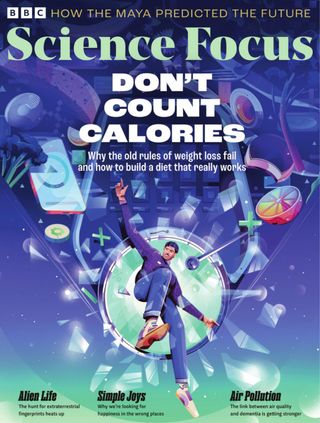

Diese Geschichte stammt aus der January 2026-Ausgabe von BBC Science Focus.
Abonnieren Sie Magzter GOLD, um auf Tausende kuratierter Premium-Geschichten und über 9.000 Zeitschriften und Zeitungen zuzugreifen.
Sie sind bereits Abonnent? Anmelden
WEITERE GESCHICHTEN VON BBC Science Focus

BBC Science Focus
World's biggest cobweb is home to 100,000 spiders
Spiders don't normally create such large colonies, so there's no need to worry about finding one in your basement

1 min
February 2026

BBC Science Focus
A dementia vaccine could be gamechanging – and available already
Getting vaccinated against shingles could protect you from getting dementia, or slow the progression of the disease
1 mins
February 2026

BBC Science Focus
DATA IN SPACE
An unusual spacecraft reached orbit in November 2025, one that might herald the dawn of a new era.
7 mins
February 2026

BBC Science Focus
Climate change is already shrinking your salary
No matter where you live, a new study has found warmer temperatures are picking your pocket
4 mins
February 2026

BBC Science Focus
A MENTAL HEALTH GLOW-UP
Forget fine lines. Could Botox give you an unexpected mental health tweakment?
3 mins
February 2026
BBC Science Focus
Most people with high cholesterol gene don't know they have it
Standard testing struggles to detect the condition
1 mins
February 2026

BBC Science Focus
HOW CAN I BOOST MY IQ?
If you're serious about getting smarter, it's time to ditch the brain-training apps
4 mins
February 2026

BBC Science Focus
Humans are absolutely terrible at reading dogs' emotions
Think you can tell how our furry friends are feeling? Think again
1 mins
February 2026

BBC Science Focus
HOW TO TEACH AI RIGHT FROM WRONG
If we want to get good responses from AI, we may need to see what it does when we ask it to be evil
3 mins
February 2026

BBC Science Focus
What Australia's social media ban could really mean for under-16s
Many people think social media is bad for our kids. Australia is trying to prove it
5 mins
February 2026
Listen
Translate
Change font size