Versuchen GOLD - Frei
MY FATHER'S WORK
The Atlantic
|September 2025
In August 2000, when I was 2 years old, my mother put me in a maroon velvet dress and stuck foam earplugs in my ears.
She carried me through the backstage corridors of the Santa Monica Civic Auditorium—the same venue where, in 1964, James Brown gave one of the most ecstatic performances of his career. It's where, in 1972, George Carlin first listed the “Seven Words You Can Never Say on Television.”
My mother remembers the night in flashes. David Crosby—walrus mustache, smiling eyes—telling jokes. Bonnie Raitt’s aura of red hair. In the distance, the sound of Linda Ronstadt warming up. Sitting in a dressing room with Michael McKean and Christopher Guest, already in costume as Spinal Tap’s front men.
That night, the auditorium was hosting the Friends of Fred Walecki benefit concert. These friends included Crosby, Raitt, and Ronstadt. Also Jackson Browne, Graham Nash, Emmylou Harris, and Warren Zevon. Three of the four original Eagles, who in this room in 1973 had performed their new album, Desperado, were there too.
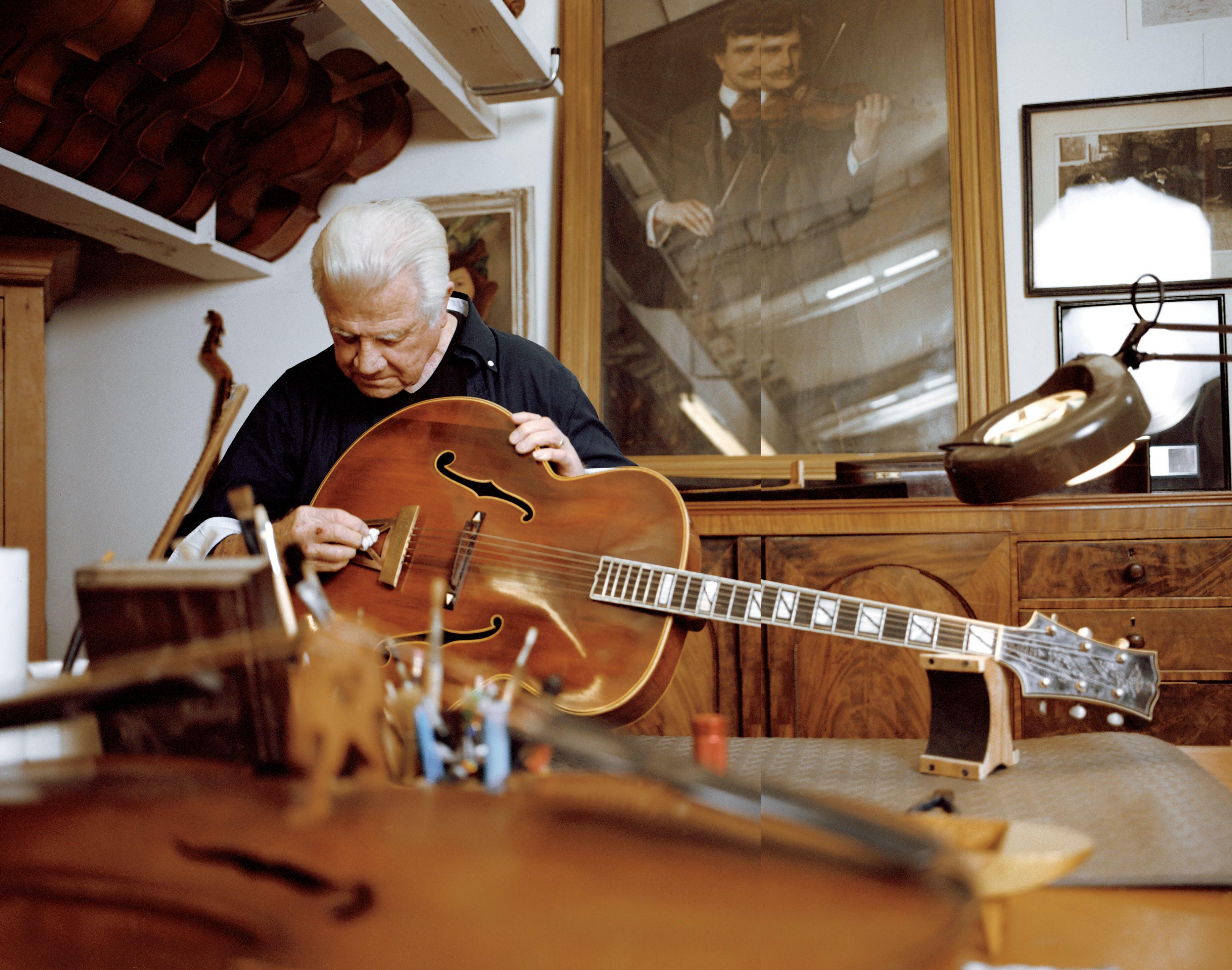
One of the Eagles, Bernie Leadon, had helped put the event together. He had known Fred Walecki, my father, since they were teenagers, when Leadon started coming into Westwood Music, Dad’s musical-instrument shop in Los Angeles.
Dad had recently been diagnosed with Stage 4 throat cancer and had undergone a complete laryngectomy. Surgeons removed his vocal cords and created a hole in his throat that he used to breathe; to speak, he pressed an electronic buzzer against the side of his neck. If people gawked at him, he'd joke that everyone on his home planet sounded like this.

Diese Geschichte stammt aus der September 2025-Ausgabe von The Atlantic.
Abonnieren Sie Magzter GOLD, um auf Tausende kuratierter Premium-Geschichten und über 9.000 Zeitschriften und Zeitungen zuzugreifen.
Sie sind bereits Abonnent? Anmelden
WEITERE GESCHICHTEN VON The Atlantic
The Atlantic
You Had to Be There
An emerging field of history asks if we can ever really understand how our forebears experienced love, anger, fear, and sorrow.

23 mins
January 2026
The Atlantic
By the Horns
The week before the biggest bullfight of her career, in Cádiz, Spain, this past July, 24-year-old Miriam Cabas posted a carefully produced video on Instagram.
1 mins
January 2026
The Atlantic
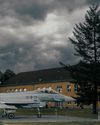
The New German War Machine
After World War II, Germany embraced pacifism as a form of atonement. Now the country is arming itself again.
18 mins
January 2026
The Atlantic
The Eloquence
The prime minister was watching a disaster movie when we found him.
4 mins
January 2026
The Atlantic
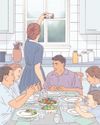
What's for Dinner, Mom?
The women who want to change the way America eats
12 mins
January 2026
The Atlantic
How Terror Works
A 1947 German novel explores the sometimes corrosive, sometimes energizing nature of fear.
8 mins
January 2026

The Atlantic
Yesterday's Idea of a Modern Man
Sam Shepard, a self-made cowboy, was also a poet of masculine angst.
7 mins
January 2026
The Atlantic
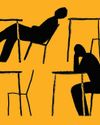
ACCOMMODATION NATION
America's colleges have an extra-time-on-tests problem.
11 mins
January 2026
The Atlantic
Respect the Drummer
A new history of rock, told through its overlooked heroes
5 mins
January 2026

The Atlantic
THE MOST POWERFUL MAN IN SCIENCE
WHY IS ROBERT F. KENNEDY JR. SO CONVINCED HE'S RIGHT?
42 mins
January 2026
Listen
Translate
Change font size