
Mit Magzter GOLD unbegrenztes Potenzial nutzen
Erhalten Sie unbegrenzten Zugriff auf über 9.000 Zeitschriften, Zeitungen und Premium-Artikel für nur
Versuchen GOLD - Frei
Pioneering Climate Finance in India
TerraGreen
|February 2024
Through this article, Manish Chourasia, has shed light on the significance of climate finance to reduce repercussions associated with climate change. India’s plans on mitigating climate change are facing limitations, largely due to the insufficient capacity of the involved institutions. This has created a void in sector’s understanding, hindering the flow of channelled capital into the sector. The author has explained how Tata Group has been instrumental in mainstreaming the renewable energy sector and is working to make the emerging cleantech segments more attractive. The organization is focused on its chosen sectors and markets, working with partners to channelize necessary expertise, capital and realize India’s climate goals.

The Global Climate Dilemma
Discussions around 1.5°C threshold temperature, global warming, and climate events have dominated news headlines in the last decade. The urgency and severity of these issues are undeniable, yet global emissions have surged due to intensified economic activities over the last three decades.
According to the National Aeronautics and Space Administration (NASA), the Earth has already undergone a temperature rise of 0.89°C from pre1900 levels until 2022, leaving a very small scope before we face irreversible consequences.
The challenge is not macroeconomic in nature. The global annual savings at the end of 2021 were about USD27.30 trillion, which is about 4-5 times higher than the funds required to fight climate change. While most of these savings are in developed countries, the requirement of funds is in developing countries because they are the ones who will grow at a much higher rate and their carbon intensity of the gross domestic product (GDP) will be higher going forward. For encouraging sustainable development, capital flow needs to happen from Global North to Global South.
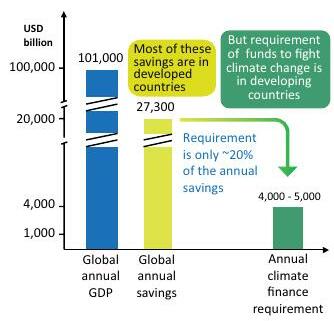
Figure 1 Funds required for climate finance versus global savings Sources World Bank, Energy Transitions Commission (ETC)


Diese Geschichte stammt aus der February 2024-Ausgabe von TerraGreen.
Abonnieren Sie Magzter GOLD, um auf Tausende kuratierter Premium-Geschichten und über 9.000 Zeitschriften und Zeitungen zuzugreifen.
Sie sind bereits Abonnent? Anmelden
WEITERE GESCHICHTEN VON TerraGreen

TerraGreen
Motor Efficiency
The Silent Catalyst of India's Green Industrial Revolution

4 mins
January 2026

TerraGreen
Beauty That Betrays!
The Quiet Invasion of An Ornamental Plant
3 mins
January 2026

TerraGreen
Farming Innovation Addresses Food Shortages
Also Halves Methane Emissions
4 mins
January 2026

TerraGreen
Aravalli on the Edge
Saving India's Ancient Green Shield from Collapse
3 mins
January 2026

TerraGreen
From Orchard to Table
Apple Picking, Family Time, and Fall Colours
4 mins
January 2026

TerraGreen
Coral Reefs Could Feed Millions
If We Let Them Rebuild
3 mins
January 2026

TerraGreen
Resting on Deodars
How Fallen Trees are Being Reimagined as Urban Assets in Shimla
3 mins
January 2026

TerraGreen
India's Clean-Air Innovation at Risk
Nationwide Assessment by WeNaturalists
2 mins
January 2026

TerraGreen
CNFF-25
Highlights Environmental Concern Amid India's Cultural Heritage
3 mins
January 2026

TerraGreen
Green Farming through Circular Economy
Sustainable Practices for Waste Reduction
8 mins
January 2026
Listen
Translate
Change font size