Versuchen GOLD - Frei
Green Farming through Circular Economy
TerraGreen
|January 2026
Sustainable Practices for Waste Reduction
-
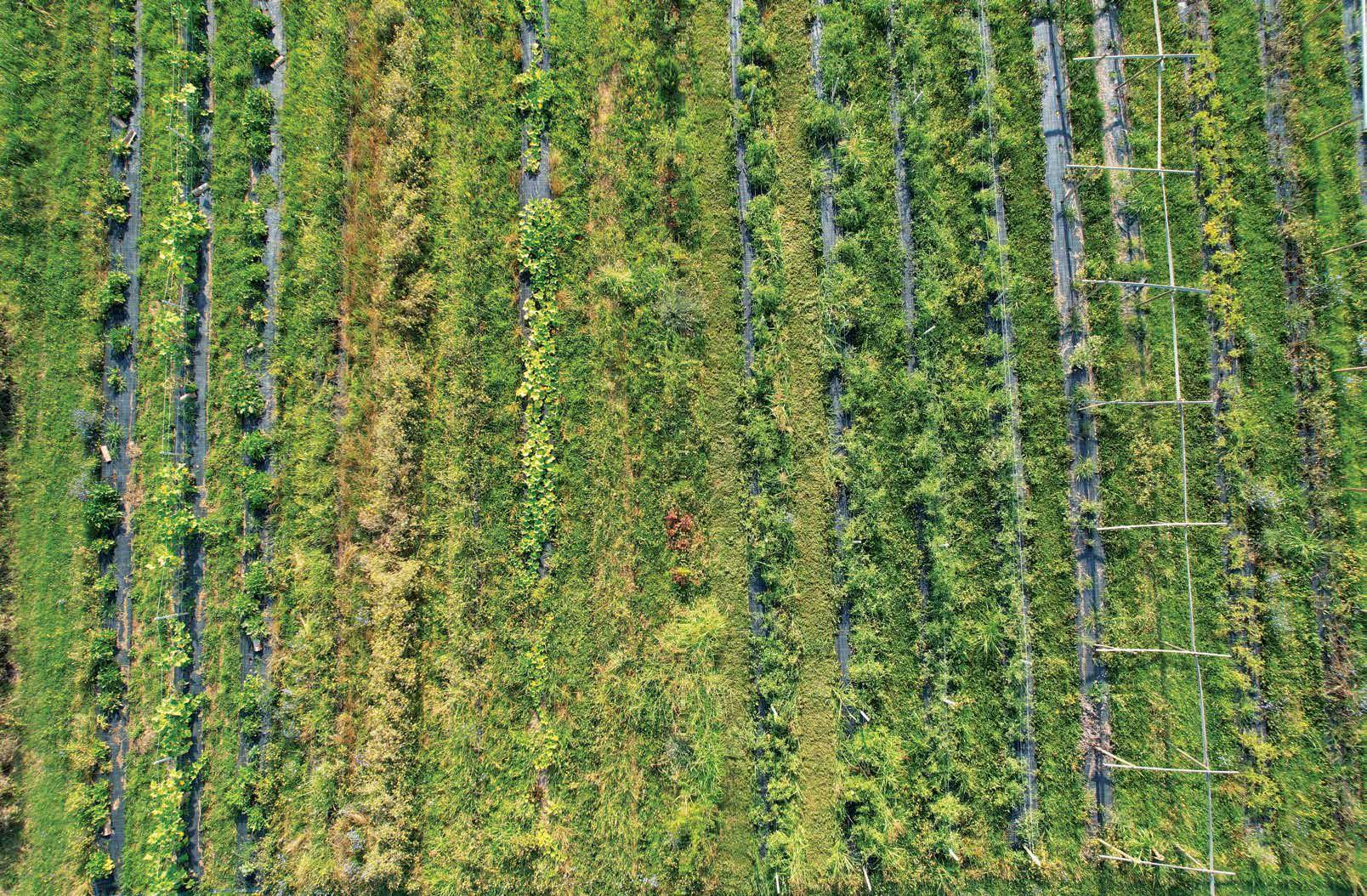
Circular economy practices transform a burden of waste into long-term benefits. It enhances resource efficiency, preserves biodiversity, and reduces pollution. This article by Sanjeev Reddy discusses strategies for adapting to the circular economy, common challenges faced by farmers, and real-life success stories.
Farmers often overlook agricultural waste; it has more potential than they realize. Agro-waste not only opens possibilities for green farming but also provides renewable energy sources. Modern agriculture generates an abundance of waste from packaging and byproducts, which farmers treat as waste disposal.
This practice became a primary reason for soil degradation and environmental depletion. Over time, soil can become less resilient, and carbon emissions from burning waste intensify. This is where the circular economy steps in, which aims to reuse, recycle, and repurpose resources into useful agricultural inputs.
Understanding the Circular Economy in Agriculture
The circular economy is a switch from the linear economy, often known as a take-make-dispose system. Circular economy is an approach towards zero waste by recycling and reusing waste agricultural materials into valuable resources, such as compost or biogas.
This byproduct waste consists of crop residue, animal manure, and other materials that are reutilized to produce agro-inputs such as biofertilizers, biofuels, and renewable energy sources. This way, the products remain in use for a longer period and create a closed loop. The circular economy regenerates natural resources and combats climate change by keeping materials in use, thereby benefiting the economy, nature, and society.
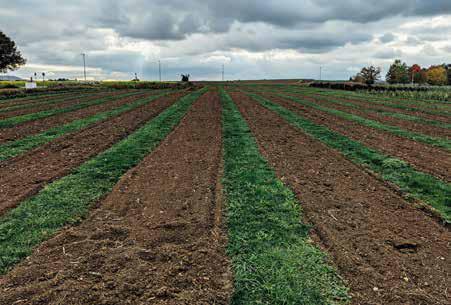 Why Green Farming Needs Circular Practices

Diese Geschichte stammt aus der January 2026-Ausgabe von TerraGreen.
Abonnieren Sie Magzter GOLD, um auf Tausende kuratierter Premium-Geschichten und über 9.000 Zeitschriften und Zeitungen zuzugreifen.
Sie sind bereits Abonnent? Anmelden
WEITERE GESCHICHTEN VON TerraGreen

TerraGreen
Motor Efficiency
The Silent Catalyst of India's Green Industrial Revolution

4 mins
January 2026

TerraGreen
Beauty That Betrays!
The Quiet Invasion of An Ornamental Plant
3 mins
January 2026
TerraGreen
Farming Innovation Addresses Food Shortages
Also Halves Methane Emissions
4 mins
January 2026

TerraGreen
Aravalli on the Edge
Saving India's Ancient Green Shield from Collapse
3 mins
January 2026

TerraGreen
From Orchard to Table
Apple Picking, Family Time, and Fall Colours
4 mins
January 2026

TerraGreen
Coral Reefs Could Feed Millions
If We Let Them Rebuild
3 mins
January 2026

TerraGreen
Resting on Deodars
How Fallen Trees are Being Reimagined as Urban Assets in Shimla
3 mins
January 2026

TerraGreen
India's Clean-Air Innovation at Risk
Nationwide Assessment by WeNaturalists
2 mins
January 2026

TerraGreen
CNFF-25
Highlights Environmental Concern Amid India's Cultural Heritage
3 mins
January 2026
TerraGreen
Green Farming through Circular Economy
Sustainable Practices for Waste Reduction
8 mins
January 2026
Listen
Translate
Change font size