Versuchen GOLD - Frei
A Union of the Unequals
Outlook
|December 21, 2025
India's federation endured not because its design guaranteed balance, but because earlier governments exercised restraint
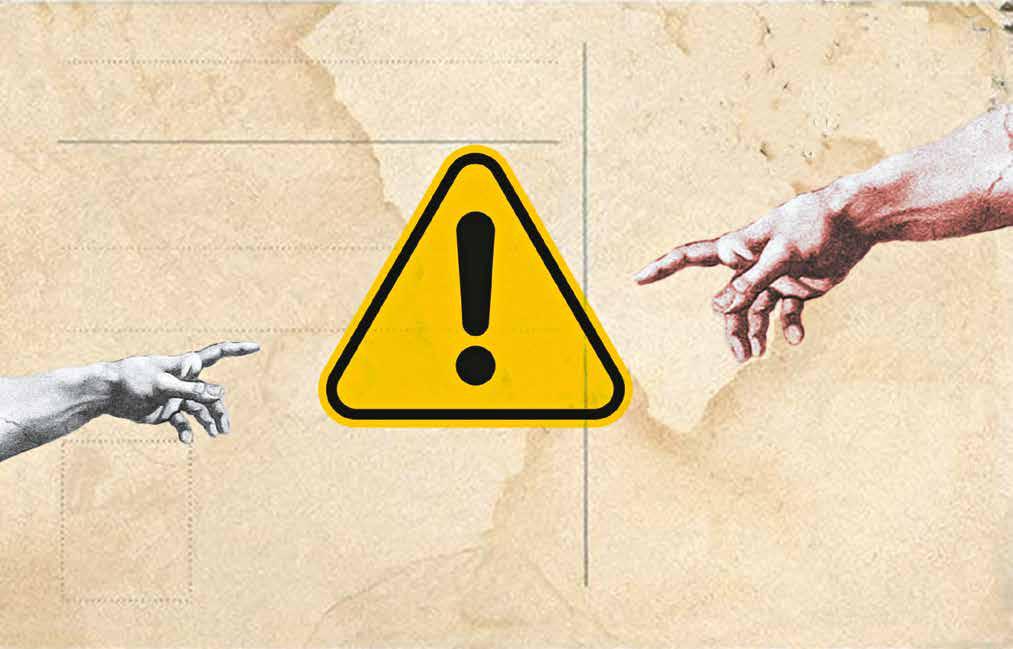
ON an otherwise routine day, the Supreme Court delivered a judgement that will reverberate through India's constitutional order. By overturning Justice J.B. Pardiwala's view that Governors and the President cannot sit indefinitely on bills passed by state legislatures, the Court has dealt what may be the final blow to Indian federalism. Governors-unelected Central appointees-are now effectively empowered to paralyse elected state governments simply by doing nothing: no assent, no return, no explanation. What was meant as a limited constitutional check under Articles 200 and 201 has been transformed into an unaccountable veto, allowing Union nominees to nullify the will of millions without action or scrutiny. The Court has effectively told Governors that they may ignore democratic mandates and obstruct governance indefinitely, and the Constitution will shield them. If federalism is truly a basic feature of the Constitution, this ruling amounts to its judicial dismantling-a constitutional death achieved not through amendment, but through interpretation.
To understand this moment, we must confront a truth many are reluctant to acknowledge: the Constitution was built with a clear tilt toward central dominance. This was not oversight-it was deliberate. The framers, scarred by Partition, communal violence, princely resistance, and the fear of Balkanisation, chose a "Union of States", not a federation of equals. The language signalled the intent: an indissoluble structure held together by a powerful Centre.


Diese Geschichte stammt aus der December 21, 2025-Ausgabe von Outlook.
Abonnieren Sie Magzter GOLD, um auf Tausende kuratierter Premium-Geschichten und über 9.000 Zeitschriften und Zeitungen zuzugreifen.
Sie sind bereits Abonnent? Anmelden
WEITERE GESCHICHTEN VON Outlook

Outlook
The Big Blind Spot
Caste boundaries still shape social relations in Tamil Nadu-a state long rooted in self-respect politics

8 mins
December 11, 2025
Outlook
Jat Yamla Pagla Deewana
Dharmendra's tenderness revealed itself without any threats to his masculinity. He adapted himself throughout his 65-year-long career as both a product and creature of the times he lived through
5 mins
December 11, 2025

Outlook
Fairytale of a Fallow Land
Hope Bihar can once again be that impossibly noisy village in Phanishwar Nath Renu's Parti Parikatha-divided, yes, but still capable of insisting that rights are not favours and development is more than a slogan shouted from a stage
14 mins
December 11, 2025

Outlook
The Lesser Daughters of the Goddess
The Dravidian movement waged an ideological war against the devadasi system. As former devadasis lead a new wave of resistance, the practice is quietly sustained by caste, poverty, superstition and inherited ritual
2 mins
December 11, 2025

Outlook
The Meaning of Mariadhai
After a hundred years, what has happened to the idea of self-respect in contemporary Tamil society?
5 mins
December 11, 2025

Outlook
When the State is the Killer
The war on drugs continues to be a war on the poor
5 mins
December 11, 2025

Outlook
We Are Intellectuals
A senior law officer argued in the Supreme Court that \"intellectuals\" could be more dangerous than \"ground-level terrorists\"
5 mins
December 11, 2025
Outlook
An Equal Stage
The Dravidian Movement used novels, plays, films and even politics to spread its ideology
12 mins
December 11, 2025
Outlook
The Dignity in Self-Respect
How Periyar and the Self-Respect Movement took shape in Tamil Nadu and why the state has done better than the rest of the country on many social, civil and public parameters
5 mins
December 11, 2025

Outlook
When Sukumaar Met Elakkiya
Self-respect marriage remains a force of socio-political change even a century later
7 mins
December 11, 2025
Listen
Translate
Change font size