Versuchen GOLD - Frei
WHEN GERMS MADE HISTORY
BBC History UK
|June 2023
Infectious diseases don't just make individuals sick - they can cause seismic shifts in societies. Jonathan Kennedy charts six moments when pathogens such as plague, smallpox and malaria played key roles in major cultural, political and economic transformations

The cultivation of disease
How infections that evolved alongside agriculture wreaked havoc on ancient empires
The adoption of settled agriculture was perhaps the most important turning point in history. For 2 million years, humans had been hunter-gatherers. Then, about 12,000 years ago, as the end of the last ice age brought a warmer and more stable climate, communities in various parts of the world began to cultivate crops and domesticate animals.
The consequences of the adoption of farming are still debated. Many scholars see the transition to farming as the first crucial step on the path of human progress. Others point out that agriculture condemned the majority of the population to back-breaking, mind-numbing labour.
The transformative impact of farming on infectious diseases is, though, abundantly clear. For the first time, humans lived in close proximity to livestock. This aided the emergence of zoonotic infections – diseases that jump from animals to humans. The crowded and insanitary living conditions in Neolithic settlements also encouraged the transmission of pathogens from person to person or via infected water. Then, as trade links between far-flung locations developed, those too helped epidemics spread. Unsurprisingly, many of the most notorious infectious diseases – including the plague, tuberculosis, polio, smallpox and measles – emerged in the wake of the adoption of settled agriculture.
Infectious diseases played a crucial role in the rise and fall of the great empires of antiquity. In the fifth century BC, the Greek historian Thucydides argued that the Plague of Athens (possibly typhus or smallpox) was a crucial turning point in the Peloponnesian War, because it weakened Athens but left Sparta untouched.
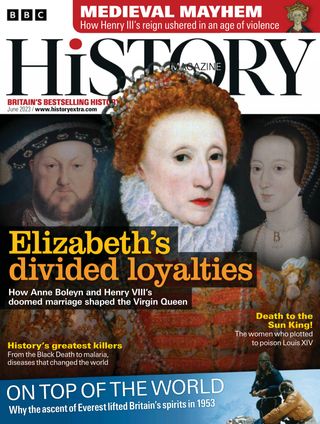

Diese Geschichte stammt aus der June 2023-Ausgabe von BBC History UK.
Abonnieren Sie Magzter GOLD, um auf Tausende kuratierter Premium-Geschichten und über 9.000 Zeitschriften und Zeitungen zuzugreifen.
Sie sind bereits Abonnent? Anmelden
WEITERE GESCHICHTEN VON BBC History UK
BBC History UK
Royal progress
Alice Loxton's new book begins with a compelling premise.

1 mins
January 2026

BBC History UK
"Leaving Muslim contributions out of European history has allowed Islamophobic sentiment to flourish"
THARIK HUSSAIN speaks to Danny Bird about the long but often overlooked and distorted history of Muslims in Europe - and the enduring resistance to its reappraisal
9 mins
January 2026
BBC History UK
7 UNMISSABLE TRIPS IN 2026
With new routes, big anniversaries and fresh ways of discovering familiar favourites, TOM HALL highlights historical destinations to explore this year
4 mins
January 2026

BBC History UK
SOPHIE SCHOLL
Novelist Simon Scarrow chooses
2 mins
January 2026
BBC History UK
Portrait of the artists
TRACY BORMAN is enraptured by a beautifully written and richly illustrated exploration of early modern English art
2 mins
January 2026
BBC History UK
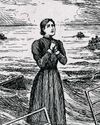
Humble heroes
Statues celebrate monarchs, rulers and conquerors - but who remembers the brave folk who gave their lives to save others? Anna Maria Barry recounts stories of selfsacrificing but otherwise ordinary people from the 19th and 20th centuries who are commemorated in one London park.
9 mins
January 2026
BBC History UK
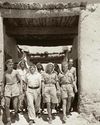
BACK FROM THE DEAD
Britain’s War Office thanked the SAS for its remarkable efforts in WW2 by abolishing it – yet soon realised the error of its ways. Gavin Mortimer tells the story of how the elite unit reinvented itself to confront the challenges of the postwar world
8 mins
January 2026
BBC History UK
Q&A - A selection of historical conundrums answered by experts
Were Roman gladiators vegetarian?
8 mins
January 2026
BBC History UK
Martha McGill on a pioneering study of folk beliefs in early modern England
I was recently chatting with a handful of early modernists about the history book we'd take to a desert island.
1 min
January 2026
BBC History UK
Independent empires
Viewing the British empire through an American lens provides an intriguing alternative perspective on the 'Land of the Free', says DAVID ARMITAGE
4 mins
January 2026
Translate
Change font size