Versuchen GOLD - Frei
Medieval England's p olitical miracle
BBC History UK
|September 2024
From Magna Carta to parliament, taxation to the law courts, the 13th and 14th centuries laid the foundations for the modern British state

Good. But could do better. That was the message that the English people conveyed to their all-conquering monarch at the height of the Hundred Years’ War. In 1358, England’s great warrior-king Edward III asked parliament if he should accept a peace treaty he’d negotiated with the French, following a series of dramatic military victories. Parliament emphatically advised the king to fight again. Too much blood had been shed and too much treasure expended. The French, MPs declared, were not offering enough. For Edward’s distant predecessor King John, such a scenario would have been unthinkable.
Then, at the dawn of the 13th century, there was no notion of shared national enterprise around foreign policy. The English king’s lands in France were a matter for the king alone – not for the community of the realm expressing its will through parliament. The people, if they had been courageous enough to venture their opinions to John, would have been told – not so politely – to keep their noses out.
It was also unimaginable during John’s reign that other matters that parliament routinely considered in Edward III’s day – issues such as how much tax people paid, and the way in which law and justice was dispensed to the masses – might be a matter of nationwide debate.
Yet the 150 or so years between John’s reign and Edward’s victories over the French witnessed the utter transformation of the English state. This extraordinary period saw the introduction of a system of national taxation by consent, and the advent of the forum that approved that tax: parliament. It saw the legal system grow exponentially and a network of royal officers being appointed across the land. It saw striking advances in military organisation, including the professionalisation of the army. And, of course, it saw the introduction of Magna Carta, which established the much-cherished principle that the king was subject to the same law as his subjects.
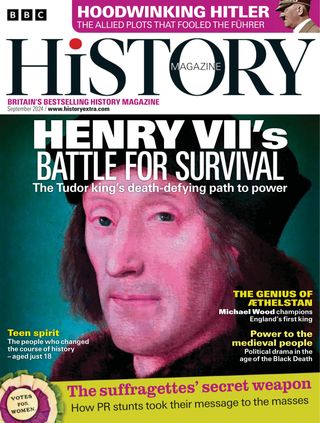

Diese Geschichte stammt aus der September 2024-Ausgabe von BBC History UK.
Abonnieren Sie Magzter GOLD, um auf Tausende kuratierter Premium-Geschichten und über 9.000 Zeitschriften und Zeitungen zuzugreifen.
Sie sind bereits Abonnent? Anmelden
WEITERE GESCHICHTEN VON BBC History UK
BBC History UK
Royal progress
Alice Loxton's new book begins with a compelling premise.

1 mins
January 2026

BBC History UK
"Leaving Muslim contributions out of European history has allowed Islamophobic sentiment to flourish"
THARIK HUSSAIN speaks to Danny Bird about the long but often overlooked and distorted history of Muslims in Europe - and the enduring resistance to its reappraisal
9 mins
January 2026

BBC History UK
7 UNMISSABLE TRIPS IN 2026
With new routes, big anniversaries and fresh ways of discovering familiar favourites, TOM HALL highlights historical destinations to explore this year
4 mins
January 2026

BBC History UK
SOPHIE SCHOLL
Novelist Simon Scarrow chooses
2 mins
January 2026
BBC History UK
Portrait of the artists
TRACY BORMAN is enraptured by a beautifully written and richly illustrated exploration of early modern English art
2 mins
January 2026
BBC History UK
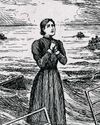
Humble heroes
Statues celebrate monarchs, rulers and conquerors - but who remembers the brave folk who gave their lives to save others? Anna Maria Barry recounts stories of selfsacrificing but otherwise ordinary people from the 19th and 20th centuries who are commemorated in one London park.
9 mins
January 2026

BBC History UK
BACK FROM THE DEAD
Britain’s War Office thanked the SAS for its remarkable efforts in WW2 by abolishing it – yet soon realised the error of its ways. Gavin Mortimer tells the story of how the elite unit reinvented itself to confront the challenges of the postwar world
8 mins
January 2026
BBC History UK
Q&A - A selection of historical conundrums answered by experts
Were Roman gladiators vegetarian?
8 mins
January 2026
BBC History UK
Martha McGill on a pioneering study of folk beliefs in early modern England
I was recently chatting with a handful of early modernists about the history book we'd take to a desert island.
1 min
January 2026
BBC History UK
Independent empires
Viewing the British empire through an American lens provides an intriguing alternative perspective on the 'Land of the Free', says DAVID ARMITAGE
4 mins
January 2026
Listen
Translate
Change font size