
Mit Magzter GOLD unbegrenztes Potenzial nutzen
Erhalten Sie unbegrenzten Zugriff auf über 9.000 Zeitschriften, Zeitungen und Premium-Artikel für nur
Versuchen GOLD - Frei
Embrace Your Strange
Writer’s Digest
|November / December 2025
Discover your writing quirks and use them to your advantage.
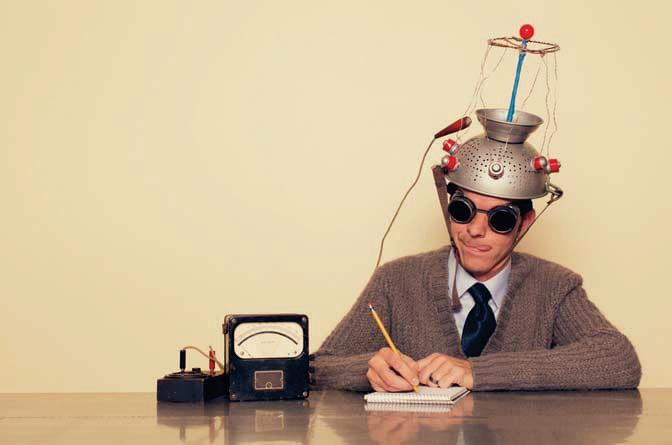
John Steinbeck kept precisely one dozen pencils atop his desk. Agatha Christie snacked on apples—in the bathtub—while mapping out murder mysteries. Colette plucked fleas from her French bulldog's back until she felt prepared to write. Weird? Perhaps. Effective? It sure seems like everything worked out for these scribes. Let's face it: Words flow in mysterious ways.
In Odd Type Writers, Celia Blue Johnson reminds us that the literary world is filled with plenty of examples of strange, shocking, and hilarious habits that some of history's greatest writers have put to good use on their way to winning major awards, wide acclaim, and legendary status.
The reality is that many writers—famous or not—have their own little eccentricities, and in many instances, they end up evolving into assets that boost creativity and authenticity. So, instead of staring at a blank notebook or screen for hours on end, try putting some extra effort into discovering and embracing the wonderful peculiarities that happen to work well for you.
WHY SOME QUIRKS WORK
It turns out that our habits help provide an element of psychological comfort and safety. They act as triggers, signaling to the brain that it's time to stop procrastinating and start creating. Routines can serve as anchors for focus or imaginative thinking, and embracing them might just help nurture your unique voice.
“A lot of habitually creative people have preparation rituals linked to the setting in which they choose to start their day. By putting themselves into that environment, they start their creative day,” Twyla Tharp points out in The Creative Habit. To help illustrate, she highlights composer Igor Stravinsky, who would enter his studio, sit down at the piano, and play a Bach tune every morning.
“Perhaps he needed the ritual to feel like a musician, or the playing somehow connected him to musical notes, his vocabulary,” Tharp explains.

Diese Geschichte stammt aus der November / December 2025-Ausgabe von Writer’s Digest.
Abonnieren Sie Magzter GOLD, um auf Tausende kuratierter Premium-Geschichten und über 9.000 Zeitschriften und Zeitungen zuzugreifen.
Sie sind bereits Abonnent? Anmelden
WEITERE GESCHICHTEN VON Writer’s Digest

Writer’s Digest
Lauren Groff
The three-time National Book Award finalist discusses her new short story collection, Brawler, and the necessity of failure in writing.

14 mins
March / April 2026

Writer’s Digest
Seven
THE CHALLENGE: Write a short story of 650 words or fewer based on the photo below.
2 mins
March / April 2026

Writer’s Digest
Pacing in Nonfiction
It's all about story.
5 mins
March / April 2026
Writer’s Digest
If You're Bored, They're Bored
Five Zero-Draft tricks to ensure tight pacing.
8 mins
March / April 2026

Writer’s Digest
Deities
Gods and goddesses have had power over our imaginations stretching through the ages—whether ancient Norse, Chinese, Mesoamerican, or Greco-Roman, we have a fascination with cosmic beings.
5 mins
March / April 2026
Writer’s Digest
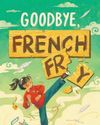
Merging Memory With Imagination
Author Rin-rin Yu's debut middle-grade novel, Goodbye, French Fry, represents a combination of her true childhood experiences and the universal experience of growing into yourself.
5 mins
March / April 2026

Writer’s Digest
Put Yourself in Charge of Your Own Story
Julie Ann Sipos, grand-prize winner of the 33rd annual WD Self-Published Book Awards, on how her career in Hollywood influences her writing style and her business strategy as an indie author.
4 mins
March / April 2026

Writer’s Digest
The Pause Is the Point
How to use stillness to create momentum in your fiction.
10 mins
March / April 2026

Writer’s Digest
Ericka Tiffany Phillips
Ericka Tiffany Phillips is a literary agent at the Stephanie Tade Agency, representing nonfiction authors whose “work have the power to shape culture and catalyze collective transformation,” she says.
2 mins
March / April 2026

Writer’s Digest
Short-Story Dispensers Bring Literature to the Masses
Life is often a wait, whether it's for a commuter train, an appointment with a doctor, or the start of a class.
5 mins
March / April 2026
Listen
Translate
Change font size