
Mit Magzter GOLD unbegrenztes Potenzial nutzen
Erhalten Sie unbegrenzten Zugriff auf über 9.000 Zeitschriften, Zeitungen und Premium-Artikel für nur
Versuchen GOLD - Frei
Education
Writer’s Digest
|September - October 2024
Even if it's not your thing, you're probably familiar with the term dark academia.

It's a subgenre that often includes things like secret societies and magic or the supernatural and themes of intellectualism, obsession, and elitism. It is generally placed in-surprise!― an academic setting like a private school or university.
Dark academia is one of those interesting subgenres that is so flexible, it can be used in horror, mystery, and even general fiction. You see it employed in young adult literature (like Ace of Spades by Faridah Abíké-ĺyímídé or A Deadly Education by Naomi Novik) and adult (Babel by R. F. Kuang or Donna Tartt's The Secret History). It's a subgenre that is only gaining more popularity as time passes.
But dark academia is just one way you can utilize education in your books. Even if your story isn't set in a school or doesn't deal with school-aged characters, you must have a basic understanding of how education is utilized and affects the people in your world. For the purpose of this article, formal education refers to an organized and regulated system that follows a curriculum and provides certifications or degrees. Let's get into it!
ELEMENTS OF EDUCATION
Let's imagine a high fantasy story where a young woman has traveled from a distant, rural land and arrived in the country's capital. She was never formally trained to read and write, though she knows enough to get by, and she's very savvy when it comes to mental math. What would her opportunities be? She wouldn't be able to work most jobs that require more familiarity with written language, though she might be able to get by with a business bookkeeping job if she can use her own devised system of writing. How would others view her? Would they look down on her for being less educated than they are or would they see themselves in her because they also weren't afforded opportunities for formal education? Would she be able to pursue an apprenticeship or apply for higher learning if she so desired?
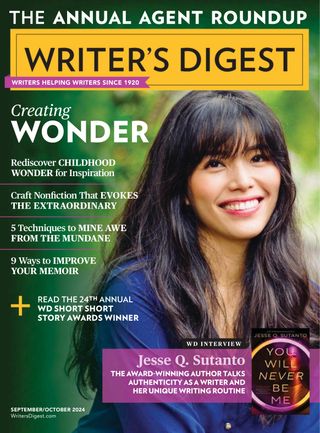

Diese Geschichte stammt aus der September - October 2024-Ausgabe von Writer’s Digest.
Abonnieren Sie Magzter GOLD, um auf Tausende kuratierter Premium-Geschichten und über 9.000 Zeitschriften und Zeitungen zuzugreifen.
Sie sind bereits Abonnent? Anmelden
WEITERE GESCHICHTEN VON Writer’s Digest

Writer’s Digest
Lauren Groff
The three-time National Book Award finalist discusses her new short story collection, Brawler, and the necessity of failure in writing.

14 mins
March / April 2026

Writer’s Digest
Seven
THE CHALLENGE: Write a short story of 650 words or fewer based on the photo below.
2 mins
March / April 2026

Writer’s Digest
Pacing in Nonfiction
It's all about story.
5 mins
March / April 2026
Writer’s Digest
If You're Bored, They're Bored
Five Zero-Draft tricks to ensure tight pacing.
8 mins
March / April 2026

Writer’s Digest
Deities
Gods and goddesses have had power over our imaginations stretching through the ages—whether ancient Norse, Chinese, Mesoamerican, or Greco-Roman, we have a fascination with cosmic beings.
5 mins
March / April 2026
Writer’s Digest
Merging Memory With Imagination
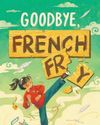
Author Rin-rin Yu's debut middle-grade novel, Goodbye, French Fry, represents a combination of her true childhood experiences and the universal experience of growing into yourself.
5 mins
March / April 2026

Writer’s Digest
Put Yourself in Charge of Your Own Story
Julie Ann Sipos, grand-prize winner of the 33rd annual WD Self-Published Book Awards, on how her career in Hollywood influences her writing style and her business strategy as an indie author.
4 mins
March / April 2026

Writer’s Digest
The Pause Is the Point
How to use stillness to create momentum in your fiction.
10 mins
March / April 2026

Writer’s Digest
Ericka Tiffany Phillips
Ericka Tiffany Phillips is a literary agent at the Stephanie Tade Agency, representing nonfiction authors whose “work have the power to shape culture and catalyze collective transformation,” she says.
2 mins
March / April 2026

Writer’s Digest
Short-Story Dispensers Bring Literature to the Masses
Life is often a wait, whether it's for a commuter train, an appointment with a doctor, or the start of a class.
5 mins
March / April 2026
Listen
Translate
Change font size