
Mit Magzter GOLD unbegrenztes Potenzial nutzen
Erhalten Sie unbegrenzten Zugriff auf über 9.000 Zeitschriften, Zeitungen und Premium-Artikel für nur
Versuchen GOLD - Frei
Double the Fun
Writer’s Digest
|July - August 2023
Writing a manuscript with dual points of view can be a challenge, but it can also be rewarding for both you and readers if it serves the story. Here's how.

We've all heard it said before: There are two sides to every story. Sometimes writers take this s adage quite literally when they decide the novel they're dreaming up would best be told through two different perspectives. Writing from the vantage point of two narrators, or dual points of view (POVS), can add a richness and complexity to your story that a single point of view may not. Imagine if we only had Nick's side of the story in Gillian Flynn's Gone Girl. Or only Amy's. Without dual POVS in Alison Cochrun's The Charm Offensive, we might have only experienced half the humor, half the heat.
Of course, writing from two perspectives can also feel like twice the amount of work. In order to successfully pull off this kind of narrative, you'll need to have two separate character arcs, two plot-lines that intertwine or converge, and two distinct voices and personalities. So, before putting in all that effort, it's probably helpful to ask yourself one very important question: Why?
Why would this story benefit from being told in two points of view? Would a second perspective add a layer of something that couldn't be achieved with just one? More dramatic suspense? More romantic tension? A better exploration or depiction of the novel's overarching theme? When writing his queer post-apocalyptic romance, All That's Left in the World, Erik J. Brown knew dual POVS would make for a more gripping story:
"When there are two characters in a scene, who maybe don't trust each other or are hiding things from one another, it heightens that tension." He went on to add, "It's easy for one character to assume what the other is thinking, but it's a special kind of connection readers get when they know the truth."
Once you have your "why," it's time to figure out your "hows."
How do I decide who my two narrators are?


Diese Geschichte stammt aus der July - August 2023-Ausgabe von Writer’s Digest.
Abonnieren Sie Magzter GOLD, um auf Tausende kuratierter Premium-Geschichten und über 9.000 Zeitschriften und Zeitungen zuzugreifen.
Sie sind bereits Abonnent? Anmelden
WEITERE GESCHICHTEN VON Writer’s Digest

Writer’s Digest
Lauren Groff
The three-time National Book Award finalist discusses her new short story collection, Brawler, and the necessity of failure in writing.

14 mins
March / April 2026

Writer’s Digest
Seven
THE CHALLENGE: Write a short story of 650 words or fewer based on the photo below.
2 mins
March / April 2026

Writer’s Digest
Pacing in Nonfiction
It's all about story.
5 mins
March / April 2026
Writer’s Digest
If You're Bored, They're Bored
Five Zero-Draft tricks to ensure tight pacing.
8 mins
March / April 2026

Writer’s Digest
Deities
Gods and goddesses have had power over our imaginations stretching through the ages—whether ancient Norse, Chinese, Mesoamerican, or Greco-Roman, we have a fascination with cosmic beings.
5 mins
March / April 2026
Writer’s Digest
Merging Memory With Imagination
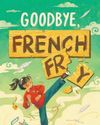
Author Rin-rin Yu's debut middle-grade novel, Goodbye, French Fry, represents a combination of her true childhood experiences and the universal experience of growing into yourself.
5 mins
March / April 2026

Writer’s Digest
Put Yourself in Charge of Your Own Story
Julie Ann Sipos, grand-prize winner of the 33rd annual WD Self-Published Book Awards, on how her career in Hollywood influences her writing style and her business strategy as an indie author.
4 mins
March / April 2026

Writer’s Digest
The Pause Is the Point
How to use stillness to create momentum in your fiction.
10 mins
March / April 2026

Writer’s Digest
Ericka Tiffany Phillips
Ericka Tiffany Phillips is a literary agent at the Stephanie Tade Agency, representing nonfiction authors whose “work have the power to shape culture and catalyze collective transformation,” she says.
2 mins
March / April 2026

Writer’s Digest
Short-Story Dispensers Bring Literature to the Masses
Life is often a wait, whether it's for a commuter train, an appointment with a doctor, or the start of a class.
5 mins
March / April 2026
Translate
Change font size