
Mit Magzter GOLD unbegrenztes Potenzial nutzen
Erhalten Sie unbegrenzten Zugriff auf über 9.000 Zeitschriften, Zeitungen und Premium-Artikel für nur
Versuchen GOLD - Frei
Disease comes knocking when the chain breaks
Farmer's Weekly
|August 29 - September 05, 2025
Biosecurity in feed management is a crucial aspect of disease prevention. Bonita Cilliers, technical and regulatory adviser of the Animal Feed Manufacturers' Association, spoke to Nichelle Steyn.
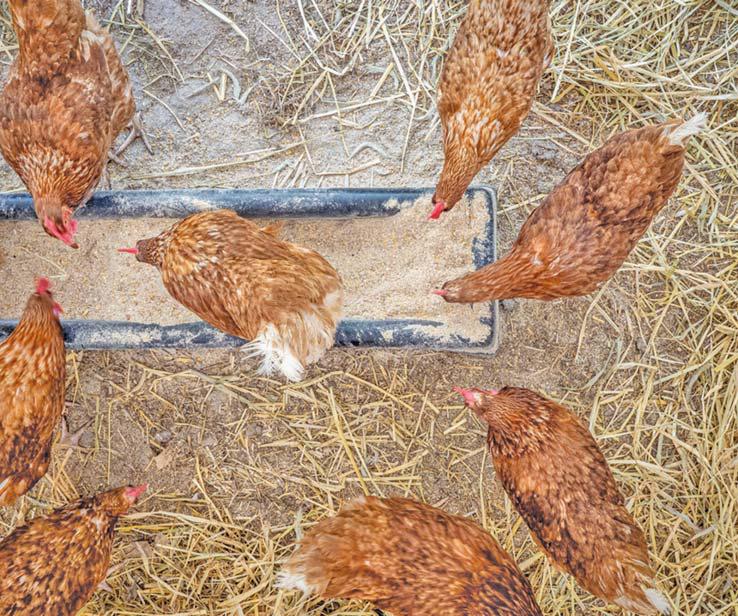
With the global threat of emerging infectious diseases and the need for sustainable production practices, the importance of biosecurity continues to grow. Biosecurity acts as a safeguard for food security. When the link between it and food are broken, it can have a devastating impact on the agricultural sector and cause real harm to consumers. Strengthening biosecurity on various levels should be a priority, especially when it comes to feed management.
"If biosecurity in feed management is bypassed, it can become a direct pathway for viruses, bacteria, toxins and other hazards to spread. The result? Sick animals, reduced production, financial losses and even blocked market access," she says.
During the recent 2025 Avi Africa Conference, veterinary consultant Dr Scott Elliott summed it up perfectly: "Disease doesn't knock before it arrives." All it takes is one contaminated ingredient, a dirty truck, or a few bird droppings in an open feed bin to trigger an outbreak.
Globally, feed has been linked to serious events; just think of the various tragedies that played out over the decades. In the 1980s to 1990s we saw the bovine spongiform encephalopathy (mad cow disease) outbreak in the UK. It spread via cattle feed containing meat-and-bone meal, affecting both cattle and people.
In 2008, the pork crisis in Ireland was caused by dioxin-contaminated feed which led to nationwide recalls and trade disruptions. And as recent as this year, avian influenza in pet food in the United States made cats and dogs ill.
Cilliers further makes her point: "Here at home in South Africa, we face a long list of high-risk diseases like:
• African swine fever (ASF): the virus can survive in certain feed ingredients or on contaminated equipment.
• Avian influenza (HPAI): feed can become contaminated by wild bird droppings in open silos or during storage.
• Salmonella: often linked to poultry when feed or ingredients are poorly handled.

Diese Geschichte stammt aus der August 29 - September 05, 2025-Ausgabe von Farmer's Weekly.
Abonnieren Sie Magzter GOLD, um auf Tausende kuratierter Premium-Geschichten und über 9.000 Zeitschriften und Zeitungen zuzugreifen.
Sie sind bereits Abonnent? Anmelden
WEITERE GESCHICHTEN VON Farmer's Weekly

Farmer's Weekly
The foot-and-mouth disease threat is growing
Foot-and-mouth disease poses a growing threat to the livestock industry, especially communal farmers, with devastating economic consequences unless awareness and compliance improve, writes Shane Brody.

3 mins
January 30 - February 06, 2026

Farmer's Weekly
Shipping conditions to ease in 2026, but risk remains high
Early signs suggest a more favourable export season for South African producers, as easing global shipping congestion and improved performance by Transnet point to higher throughput at local ports. Lindi Botha reports.
2 mins
January 30 - February 06, 2026

Farmer's Weekly
A path of accelerating land reform in South Africa
Delivering the ANC's January 8th Statement a few weeks ago, President Cyril Ramaphosa noted, amongst other things, that: “Land reform remains one of the most urgent tasks of the National Democratic Revolution. While progress has been made, much more is required to give effect to the constitutional requirement for redress and equitable access to land.”
2 mins
January 30 - February 06, 2026
Farmer's Weekly
Reflections on 2025 and the policy space for 2026
The year 2025 was a year characterised initially by a wave of misinformation, particularly relating to legislation and tariff issues. This year some big moves are expected in the trade space.
3 mins
January 30 - February 06, 2026
Farmer's Weekly
From planning to peak lay: building a profitable egg business
Mpumalanga poultry farmer Lebogang Mashego spoke to Octavia Avesca Spandiel, and shared practical insights on planning, building systems that work, breed choice, feed management, and markets to build a profitable and sustainable egg business.
5 mins
January 30 - February 06, 2026

Farmer's Weekly
Impofu Wind Farm becomes a canvas for community connection through Enel's Blowing Art Initiative
Enel Green Power South Africa has introduced the Blowing Art Initiative at the Impofu Wind Farm in the Eastern Cape, a creative community project that turns renewable energy infrastructure into a living gallery.
2 mins
January 30 - February 06, 2026

Farmer's Weekly
Geely is intent on hanging around
Having fallen off the radar around a decade ago following a short local stint, Chinese manufacturer Geely has announced its proposed return to South Africa towards the end of 2026. The Citizen's Jaco van der Merwe reports.
4 mins
January 30 - February 06, 2026

Farmer's Weekly
Great reads to enjoy during ‘me-time'
Patricia McCracken has plucked an assortment of fascinating titles covering different areas of interest, from coastal exploration and dining in the wild, to African traditions surrounding love and marriage.
3 mins
January 30 - February 06, 2026
Farmer's Weekly
Thokoman Peanut Butter marks 25-year milestone with R500 000 commitment to food security
Thokoman Peanut Butter, one of South Africa's biggest producers of peanut butter, celebrates 25 years of consistent quality and community support, marking the occasion with a significant R500 000 partnership with Hot 102.7's Hot Cares initiative for 2026.
2 mins
January 30 - February 06, 2026
Farmer's Weekly
South Africa's famous wandering hippo
From 1928 to 1931, a hippopotamus trekked 1 600km from what was then northern Natal to the Eastern Cape's Keiskamma River near Peddie, where it was shot dead by a posse of farmers. As Mike Burgess writes, this journey would immortalise the hippo in South African history.
3 mins
January 30 - February 06, 2026
Listen
Translate
Change font size